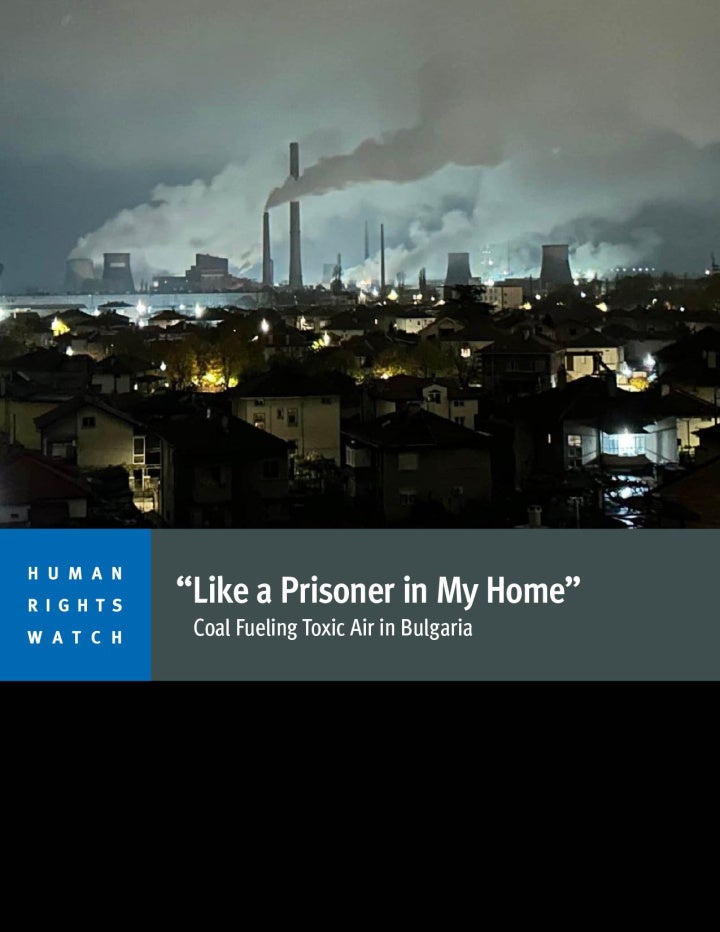
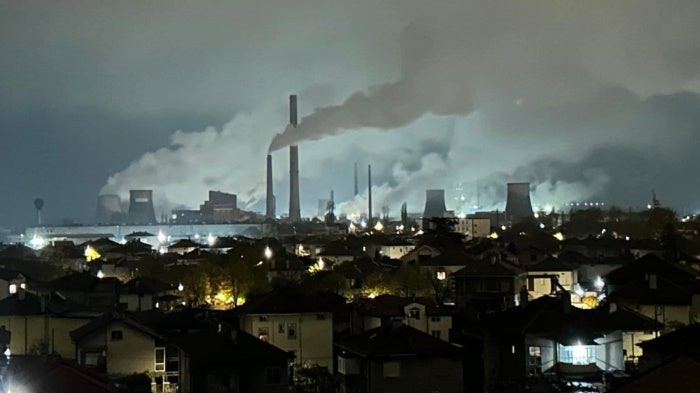
The 45-page report, “Like a Prisoner in My Home’: Coal Fueling Toxic Air in Bulgaria” analyzes the data revealing alarmingly high air pollution levels in Dimitrovgrad, a town in southern Bulgaria, which hosts Maritsa 3, one of the country’s oldest coal plants. Maritsa 3 emits hazardous air pollutants, which contribute to poor air quality that harms the health of local residents, particularly children.
Oil Contracts and Stalled Reform in São Tomé e Príncipe
This 23-page report documents how São Tomé’s government remains ill-equipped to manage the revenues from any hydrocarbon endowment, despite domestic and international efforts to improve financial transparency and accountability in anticipation of major oil discoveries.
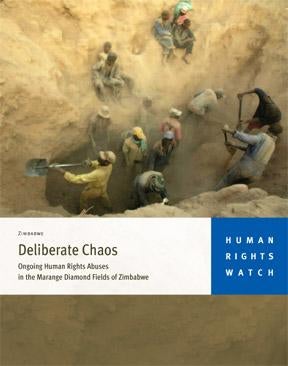
Ongoing Human Rights Abuses in the Marange Diamond Fields of Zimbabwe
Human Rights Watch has received new reports that soldiers in Marange are engaging in forced labor, torture, beatings, and harassment. Human Rights Watch documented rampant killings and other abuses in Marange last year.
This 31-page report documents how the government took only limited steps to improve transparency after Human Rights Watch disclosed in a 2004 report that billions of dollars in oil revenue illegally bypassed the central bank and disappeared without explanation. The report details newly disclosed evidence of corruption and mismanagement and includes recommendations for reversing the pattern.
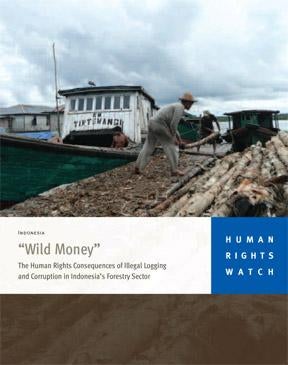
The Human Rights Consequences of Illegal Logging and Corruption in Indonesia’s Forestry Sector
This 75-page report found that more than half of all Indonesian timber from 2003 through 2006 was logged illegally, with no taxes paid. Unreported subsidies to the forestry industry, including government use of artificially low timber market prices and currency exchange rates, and tax evasion by exporters using a scam known as "transfer pricing," exacerbated the losses.
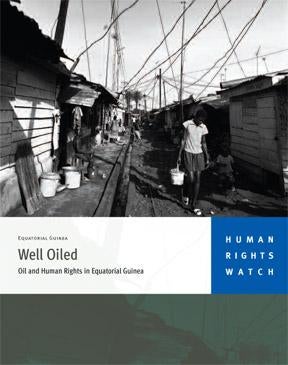
This 107-page report details how the dictatorship under President Teodoro Obiang Nguema Mbasogo has used an oil boom to entrench and enrich itself further at the expense of the country's people.
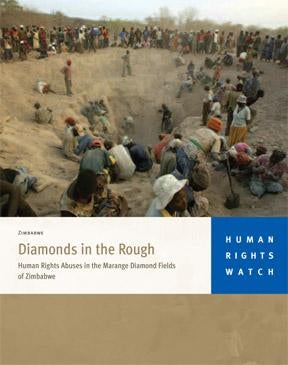
Human Rights Abuses in the Marange Diamond Fields of Zimbabwe
This 62-page report documents how, following the discovery of diamonds in Marange in June 2006, the police and army have used brutal force to control access to the diamond fields and to take over unlicensed diamond mining and trading.
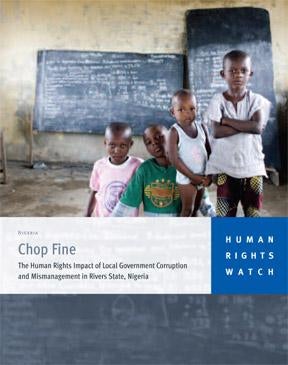
The Human Rights Impact of Local Government Corruption and Mismanagement in Rivers State, Nigeria
This 107-page report details the misuse of public funds by local officials in the geographic heart of Nigeria’s booming oil industry, and the harmful effects on primary education and basic health care. The report is based on scores of interviews in Rivers state with government and donor agency officials, civil servants, health care workers, teachers, civil society groups and local residents.
On September 27, 2004, the leader of a powerful armed group threatened to launch an “all-out war” in the Niger Delta - sending shock waves through the oil industry – unless the federal government ceded greater control of the region’s vast oil resources to the Ijaw people, the majority tribe in the Niger Delta.
This 29-page report documents how violence in Nigeria’s southern Delta State this year, especially during the state and federal elections in April and May, resulted in hundreds of deaths, the displacement of thousands of people, and the destruction of hundreds of homes. Among the dead were probably dozens killed by the government security forces.
Human Rights Abuse and Indonesia's Pulp and Paper Industry
Indonesian police and company security forces are responsible for persistent human rights abuses against indigenous communities involved in the massive pulp and paper industry in Sumatra, Human Rights Watch said in a new report released today. Abuses include land seizures without compensation and brutal attacks on local demonstrators.
When a civilian government was reinstated in Nigeria in 1999, many of those living in the Niger Delta region, the source of Nigeria's oil wealth, hoped that a "democratic dividend" would end decades of neglect they had suffered under successive military regimes.
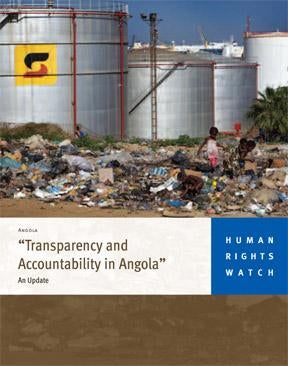
On April 3, 2000, the International Monetary Fund (IMF) and the Angolan government announced the beginning of a Staff Monitored Program (SMP). This program is an ambitious agreement to implement a wide range of economic and institutional reforms in Angola that could lead to further lending and cooperation with the IMF and World Bank, but it is unclear whether the government will be able to comply with its requirements.
On April 3, 2000, as part of a larger agreement between the International Monetary Fund (IMF) and the government of Angola to reform the economy, the IMF and government reached an agreement to monitor oil revenues that would be supervised by the World Bank.
On November 4, 1999, an armed gang killed seven Nigerian policemen in the community of Odi, Bayelsa State, in the oil producing Niger Delta region in the far south east of the country. Five other police were killed in subsequent days.
The Niger Delta has for some years been the site of major confrontations between the people who live there and the Nigerian government's security forces, resulting in extrajudicial executions, arbitrary detentions, and draconian restrictions on the rights to freedom of expression, association, and assembly.