The Inhumane Effects of White Phosphorus Munitions and the Need for Stronger Law
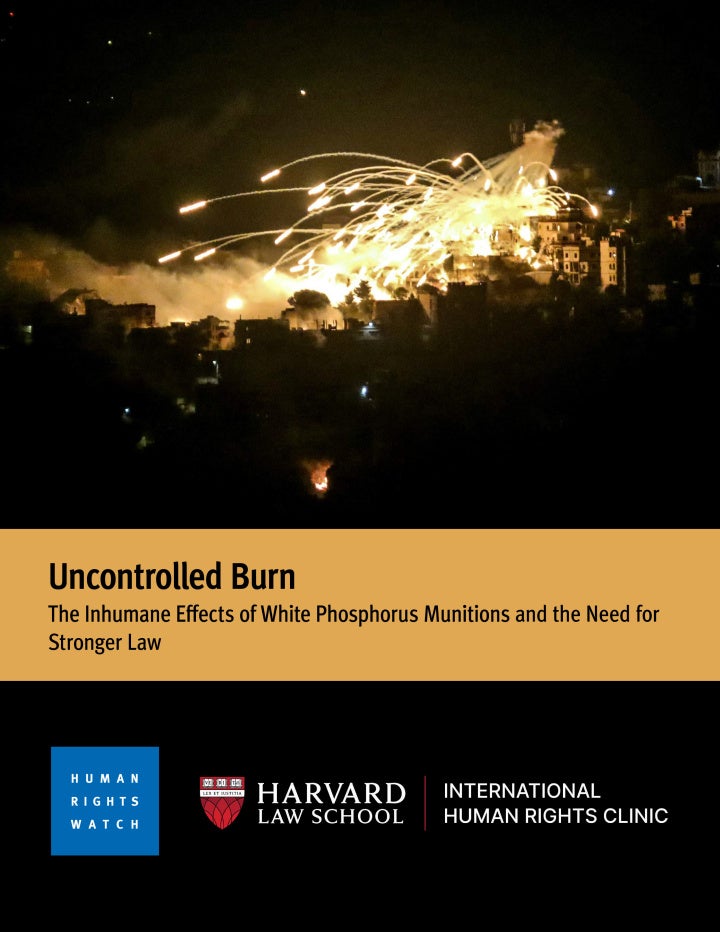
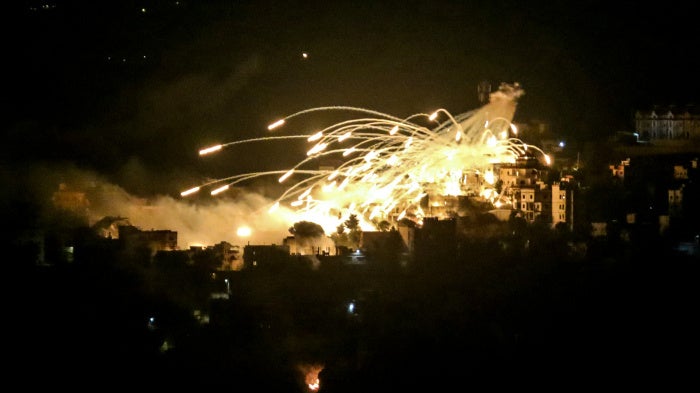
The 45-page report, “Uncontrolled Burn: The Inhumane Effects of White Phosphorus Munitions and the Need for Stronger Law,” documents 23 verified incidents of Israeli use in southern Lebanon between March and May 2026. The report also details the horrific harm the munitions have caused in armed conflicts in recent years. White phosphorus munitions, which produce fire when their payload is exposed to oxygen, are not currently regulated by a specific treaty.
Attacks on Civil Society Activists in India’s Maoist Conflict
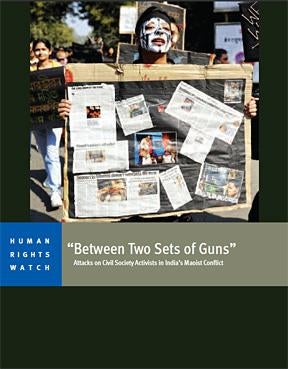
The 60-page report documents human rights abuses against activists in India’s Orissa, Jharkhand, and Chhattisgarh states. Human Rights Watch found that grassroots activists who deliver development assistance and publicize abuses in Maoist conflict areas are at particular risk of being targeted by government security forces and Maoist insurgents, known as Naxalites.
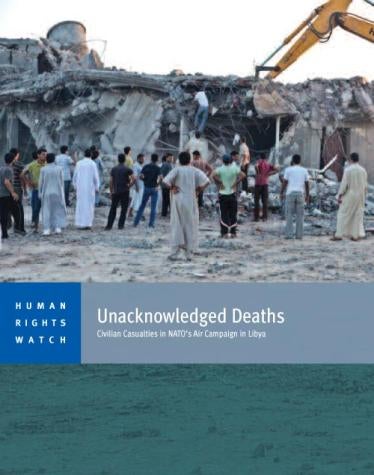
Civilian Casualties in NATO’s Air Campaign in Libya
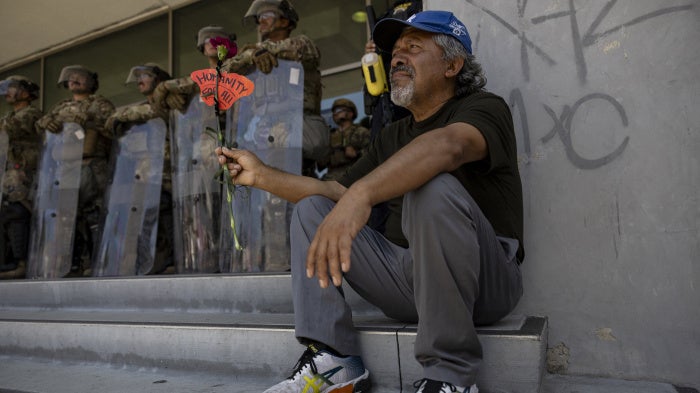
<p>This report examines in detail eight NATO air strikes in Libya that resulted in 72 civilian deaths, including 20 women and 24 children. It is based on one or more field investigations to each of the bombing sites during and after the conflict, including interviews with witnesses and local residents.</p>
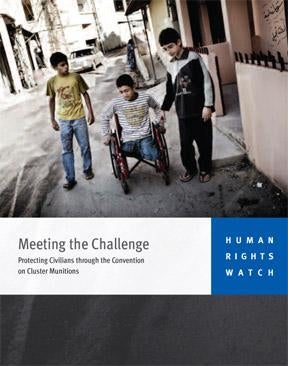
Protecting Civilians through the Convention on Cluster Munitions
This book is the culmination of a decade of research by Human Rights Watch. It details the humanitarian toll of cluster munitions, analyzes the international process that resulted in the treaty successfully banning them, and presents the steps that nations that have signed the convention should take to fulfill its promise.
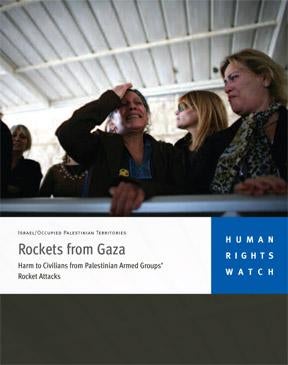
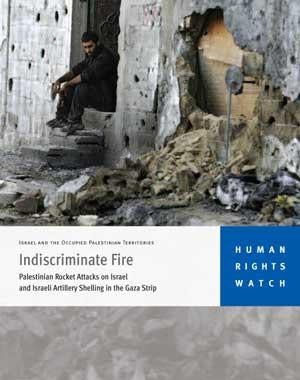
Harm to Civilians from Palestinian Armed Groups’ Rocket Attacks
This 31-page report documents attacks by Hamas and other Palestinian armed groups since November 2008 that killed three Israeli civilians and seriously injured dozens of others, damaged property and forced residents to leave their homes. The rockets unlawfully struck populated areas up to 40 kilometers inside Israel, placing roughly 800,000 Israeli civilians at risk.
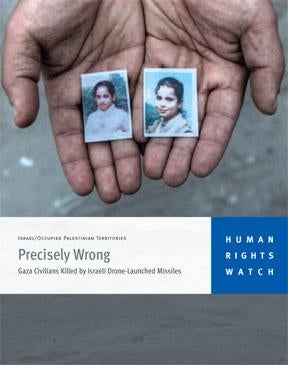
Gaza Civilians Killed by Israeli Drone-Launched Missiles
This 39-page report details six incidents resulting in 29 civilian deaths, among them eight children. Human Rights Watch found that Israeli forces failed to take all feasible precautions to verify that these targets were combatants, as required by the laws of war, or that they failed to distinguish between combatants and civilians.
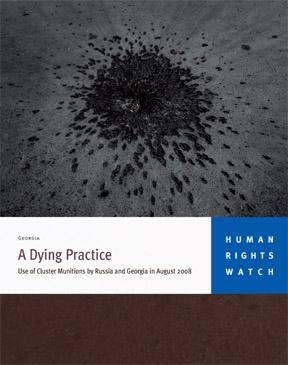
Use of Cluster Munitions by Russia and Georgia in August 2008
This 80-page report is the first comprehensive report on cluster munition use by Russia and Georgia in their week-long conflict over the separatist enclave of South Ossetia. Human Rights Watch field investigations in August, September, and October 2008 documented dozens of civilian deaths and injuries from the use of cluster munitions, including casualties after the fighting ended.
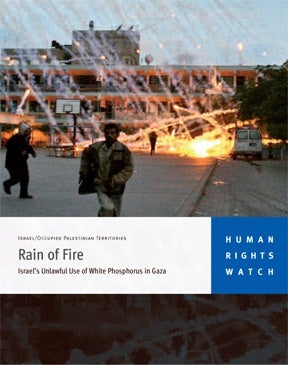
This 71-page report provides witness accounts of the devastating effects that white phosphorus munitions had on civilians and civilian property in Gaza.
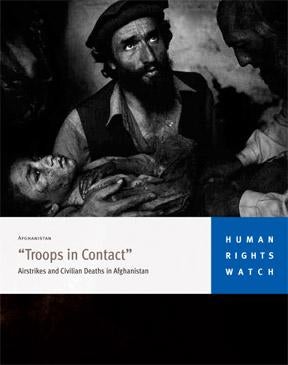
Civilian deaths in Afghanistan from US and NATO airstrikes nearly tripled from 2006 to 2007, with recent deadly airstrikes exacerbating the problem and fuelling a public backlash. The report also condemns the Taliban’s use of “human shields” in violation of the laws of war.
Memorandum to Delegates of the Dublin Diplomatic Conference on Cluster Munitions
A provision obliging states parties not to assist with prohibited acts is an accepted and essential part of a modern weapons treaty. The draft cluster munitions convention includes such a provision in Article 1(c). Article 1(c) is based on extensive precedent from past weapons treaties and is indispensable to the humanitarian goal of the convention.
Israel’s Use of Cluster Munitions in Lebanon in July and August 2006
In this 131-page report, Human Rights Watch found that Israel violated international humanitarian law in its indiscriminate and disproportionate cluster munition attacks on Lebanon. The report provides the most comprehensive and detailed account yet of the nature and impact of Israel’s use of cluster munitions.
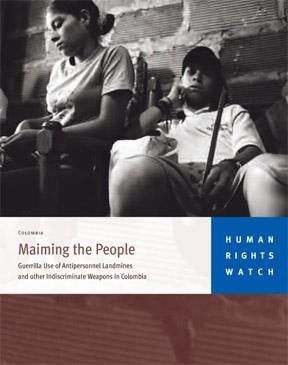
Guerrilla Use of Antipersonnel Landmines and other Indiscriminate Weapons in Colombia
This 34–page report is accompanied by an extensive photo and audio slideshow, and documents the impact on civilian survivors of guerrillas’ use of antipersonnel landmines in Colombia, as well as the difficulties that such survivors face in obtaining needed assistance from the government.
Briefing Paper Prepared for the ICRC Experts Meeting on Cluster Munitions
This presentation is an introduction to the wide variety of cluster munitions currently available. The functional characteristics of these munitions as well as estimates of the numbers in current stockpiles are included in the presentation.