Recruitment and Use of Children by Colombian Armed Groups
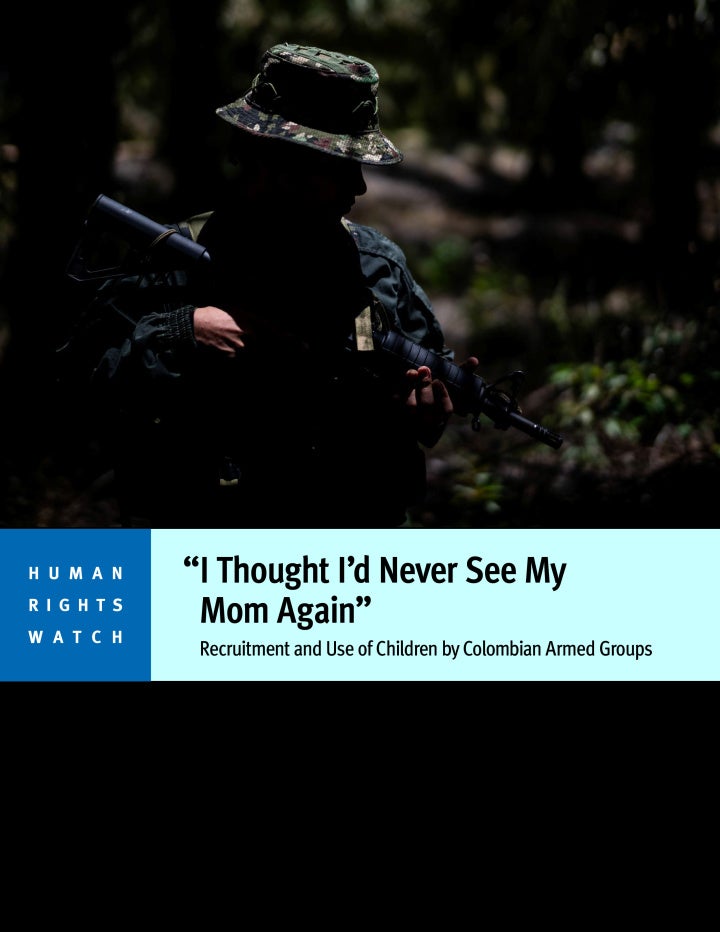
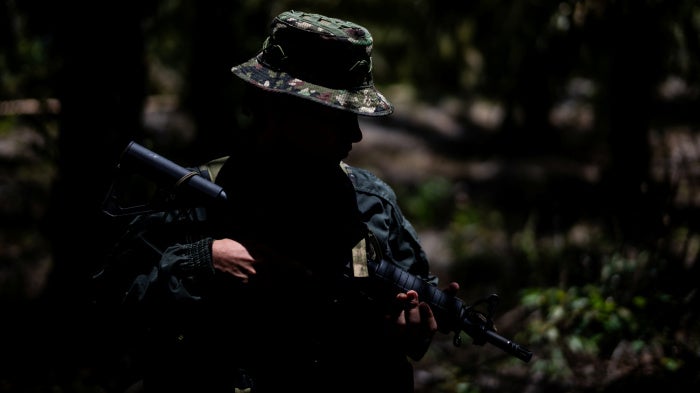
The 102-page report, “‘I Thought I’d Never See My Mom Again’: Recruitment and Use of Children by Colombian Armed Groups,” examines the dynamics of child recruitment, the factors that place children at risk, and the strategies and tools used by armed groups, including through social media platforms, to recruit them. Researchers also analyzed the government’s response and its shortcomings in preventing child recruitment, protecting and rescuing children, assisting the reintegration of those who have been released, and prosecuting the individuals responsible.
State Abuses of Unaccompanied Migrant Children by Spain and Morocco
Moroccan migrant children in Spain are frequently beaten by police and abused by staff and other children in overcrowded, unsanitary residential centers, Human Rights Watch charged in this report. Spain also summarily expels children as young as eleven to Morocco, where Moroccan policebeat and ill-treat them and then abandon them to the streets.
What is the UN General Assembly Special Session for Children? What does Human Rights Watch hope the session will accomplish? What role has the United States taken during these negotiations? Why is the Convention on the Rights of the Child important to the Special Session? Why hasn't the United States ratified the Convention?
Child Labor and Obstacles to Organizing on Ecuador's Banana Plantations
Banana workers in Ecuador are the victims of serious human rights abuses, Human Rights Watch charged in a new report released today. In its investigation, Human Rights Watch found that Ecuadorian children as young as eight work on banana plantations in hazardous conditions, while adult workers fear firing if they try to exercise their right to organize.
Haitians And Dominico-Haitians In The Dominican Republic
Over the past decade, the Dominican government has deported hundreds of thousands of Haitians to Haiti, as well as an unknown number of Dominicans of Haitian descent.
We recognize the many challenges presented by the pressures of increased migration and the government's commitment to honor international protection obligations. We believe that efficient immigration management and potential national security concerns can be reconciled with the protection of fundamental human rights guarantees for migrants and asylum seekers.
Rights Violations Against Migrants and Asylum Seekers
The government of Spain is violating the rights of migrants and asylum seekers who arrive illegally on Spanish shores, Human Rights Watch said in a new report released today.
Women in Guatemala's largest female-dominated labor sectors face persistent sex discrimination and abuse, Human Rights Watch charges in this report. The 147-page report examines two sectors, export processing and private households, which employ tens of thousands of women sewing clothes for sale in the United States and working as live-in domestic workers.
The Impact of the September 11 Attacks on Refugees, Asylum Seekers and Migrants in the Afghanistan Region and Worldwide
The backlash against refugees, asylum seekers and migrants throughout the world is a serious side effect of the September 11 attacks. While governments have legitimate security concerns, there must be a balance with human rights and refugee protection standards.
Amidst the intensive coverage of the terrorist attacks on New York and Washington and the west’s preparations for a military response, there have been suggestions in the media that Osama Bin Laden’s Al Qaida organisation may have recruited and trained children for military actions.
The global scandal of violence against children is a horror story too often untold. With malice and clear intent, violence is used against the members of society least able to protect themselves—children in school, in orphanages, on the street, in refugee camps and war zones, in detention, and in fields and factories.
Proposed Amendments to the 12 July 2001 Draft Programme of Action For Equality and Non-Discrimination Against Racism, Racial Discrimination, Xenophobia, and Related Intolerance (A/CONF.189/PC.3/8) and the Draft Declaration (A/CONF.189/PC.3/7).
Human immuno-deficiency virus/acquired immune deficiency syndrome (HIV/AIDS) is a national disaster for the people of Kenya, children and adults alike. Kenya is estimated to have the ninth-highest prevalence of HIV in the world with about 14 percent of the adult population infected.
Violence and Discrimination Against Lesbian, Gay, Bisexual, and Transgender Students in U.S. Schools
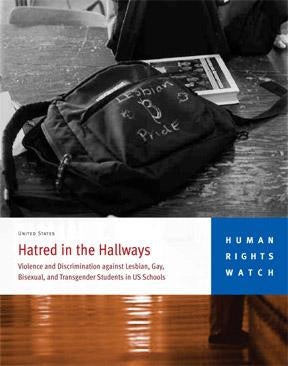
In this report, Human Rights Watch documents attacks on the human rights of lesbian, gay, bisexual, and transgender youth who are subjected to abuse on a daily basis by their peers and in some cases by teachers and school administrators.
Children and Adults forcibly recruited for Military Serivce in North Kivu
This report, based upon a mission to the region in December 2000 and subsequent research, documents an intensive campaign of forcible recruitment of adults and children begun by RCD-Goma and its Rwandan allies in the last quarter of 2000.