Systemic Age and Gender Discrimination Against Women at Work in South Korea
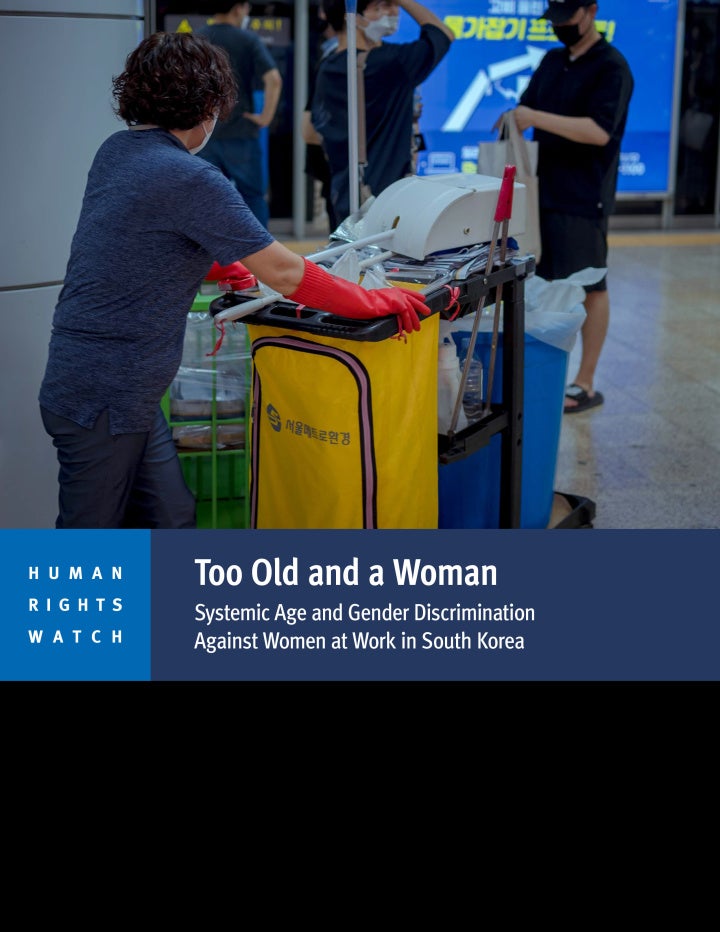
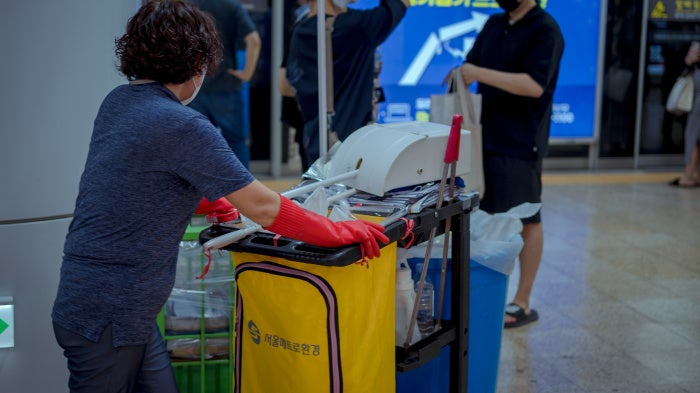
The 92-page report, “Too Old and a Woman: Systemic Age and Gender Discrimination Against Women at Work in South Korea,” documents that social attitudes toward education, unfair treatment in hiring, disrupted careers due to family responsibilities, limited promotion opportunities, glass ceilings, and sexual harassment create a disadvantage for South Korean women throughout their working lives. As women get older, their work opportunities narrow to a handful of low-paid, insecure jobs, and the gender pay gap increases. By the time they are eligible for pensions, women face a significant gender pension gap.
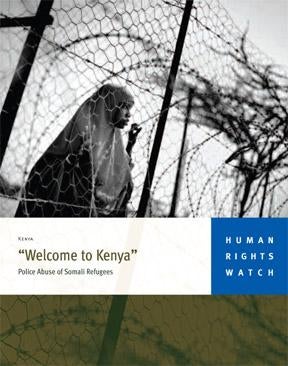
Based on interviews with over 100 refugees, this 99-page report documents widespread police extortion of asylum seekers trying to reach three camps near the Kenyan town of Dadaab, the world's largest refugee settlement.
While internationally recognized as a form of violence against women and girls, the tragedy is that female genital mutilation is perpetuated by mothers, aunts and other women who love and want the best for their children, who see the practice as ensuring that girls are marriageable, are conforming to the tenets of Islam, and are growing up to be respectable and respected members of Kurdish society
In interviews around the world, hundreds of women and girls have described to Human Rights Watch the pursuit of reproductive health care as an obstacle course. Logistical, cultural, and financial barriers to services and information, discrimination, and abusive health providers block the way.
Protection of Migrant Domestic Workers in Asia and the Middle East
This 26-page report reviews conditions in eight countries with large numbers of migrant domestic workers: Lebanon, Jordan, Saudi Arabia, Kuwait, the United Arab Emirates, Bahrain, Singapore, and Malaysia.
Detention and Denial of Women Asylum Seekers in the UK
The 69-page report documents how women asylum seekers with complex claims are being routed into a system designed for much simpler claims. The women are held in detention largely for the UK’s administrative convenience, have very little time to prepare a legal case, and have only a few days to appeal if refused.
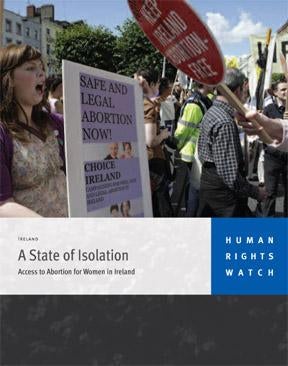
This 57-page report details how women struggle to overcome the financial, logistical, physical, and emotional burdens imposed by restrictive laws and policies that force them to seek care abroad, without support from the state. Every year thousands of women and girls travel from Ireland to other European countries for abortions.
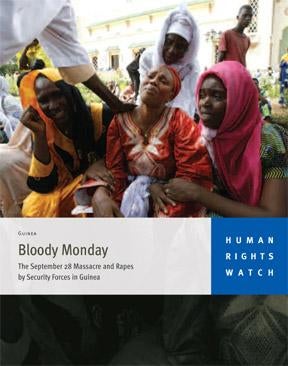
The September 28 Massacre and Rapes by Security Forces in Guinea
This 108-page report describes in detail the killings, sexual assaults, and other abuses at an opposition rally in a stadium in Conakry, the capital, committed largely by members of Guinea's elite Presidential Guard, and the evidence suggesting that the attacks must have been planned in advance.
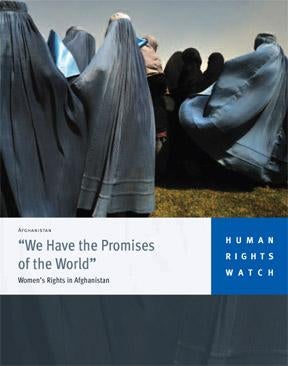
This 96-page report details emblematic cases of ongoing rights violations in five areas: attacks on women in public life; violence against women; child and forced marriage; access to justice; and girls' access to secondary education.
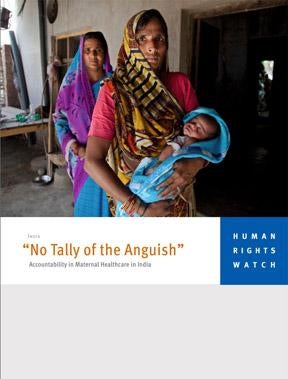
This 150-page report documents repeated failures both in providing health care to pregnant women in Uttar Pradesh state in northern India and in taking steps to identify and address gaps in care.
Sexual Violence and Military Reform in the Democratic Republic of Congo
This 56-page report documents persistent sexual violence by the army, and the limited impact of government and donor efforts to address the problem. The report looks closely at the conduct of the army's 14th brigade as an example of the wider problem of sexual violence by soldiers.
The Rape Kit Backlog in Los Angeles City and County
The 68-page report reveals that the backlog of untested rape kits in Los Angeles County is larger and more widespread than previously reported. Through dozens of interviews with police officers, public officials, criminalists, rape treatment providers, and rape victims, the report documents the devastating effects of the backlog on victims of sexual abuse.
Women’s Struggles to Obtain Health Care in United States Immigration Detention
This 78-page Human Rights Watch report documents dozens of cases in which the immigration agency's medical staff either failed to respond at all to health problems of women in detention or responded only after considerable delays.
Abuse and Exploitation of Child Domestic Workers in Indonesia
This report documents how hundreds of thousands of girls in Indonesia, some as young as 11, are employed as domestic workers in other people’s households, performing tasks such as cooking, cleaning, laundry, and child care. Most girls interviewed for the report worked 14 to 18 hours a day, seven days a week, with no day off. Almost all are grossly underpaid, and some get no salary at all.
This 52-page report documents the difficulties women face in accessing therapeutic abortion – those needed to save the life of the woman or avoid serious health risks – in Peru’s public health system. While no reliable statistics are available on how many women have been turned away from a legal abortion, in interviews with women, healthcare providers, rights activists and government officials, Human Rights Watch found that women in general lack accurate information about their right to a legal abortion, and public health care professionals are often unclear about the intent of laws guaranteeing women access to legal abortions.
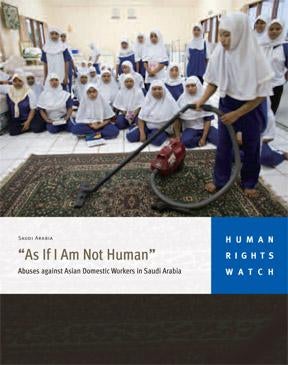
Abuses against Asian Domestic Workers in Saudi Arabia
This 133-page report concludes two years of research and is based on 142 interviews with domestic workers, senior government officials, and labor recruiters in Saudi Arabia and labor-sending countries. Saudi households employ an estimated 1.5 million domestic workers, primarily from Indonesia, Sri Lanka, the Philippines, and Nepal. Smaller numbers come from other countries in Africa and Asia. While no reliable statistics exist on the exact number of abuse cases, the Saudi Ministry of Social Affairs and the embassies of labor-sending countries shelter thousands of domestic workers with complaints against their employers or recruiters each year.