The 75-page report, “No Money, No Care: Obstetric Violence in Sierra Leone,” documents cases of verbal abuse, medical neglect, and abandonment of women and girls facing serious obstetric complications, practices that experts interviewed say are common. Many women interviewed said they were shamed and mistreated by healthcare providers for expressing pain, needing help, or for not having enough money to pay fees. Others described humiliating experiences in which healthcare providers treated them brusquely or withheld important health information. Some cases documented constitute obstetric violence, a largely unaddressed form of gender-based violence prevalent across the world.
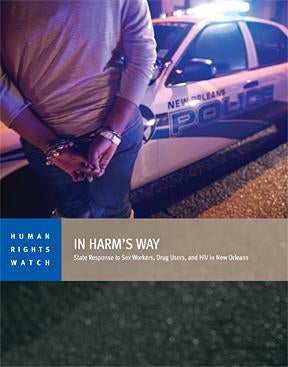
State Response to Sex Workers, Drug Users and HIV in New Orleans
This 57-page report documents government violations of the right to health and other abuses of at-risk populations in New Orleans. It calls for changes in state and local laws and policies that stigmatize, discriminate against, and facilitate police abuse of sex workers and drug users, and interfere with health services for people at high risk for HIV.
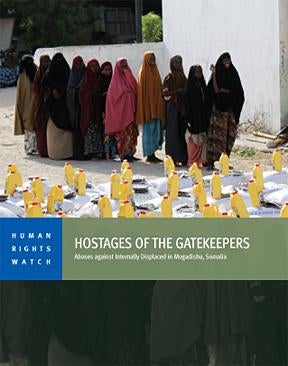
Abuses against Internally Displaced in Mogadishu, Somalia
The 80-page report details serious violations, including physical attacks, restrictions on movement and access to food and shelter, and clan-based discrimination against the displaced in Mogadishu from the height of the famine in mid-2011 through 2012.
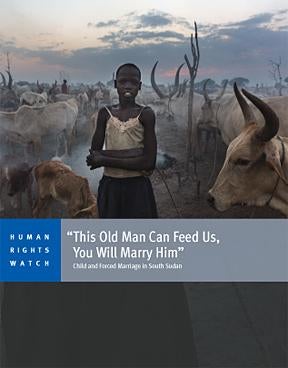
The 95-page report documents the consequences of child marriage, the near total lack of protection for victims who try to resist marriage or leave abusive marriages, and the many obstacles they face in accessing mechanisms of redress.
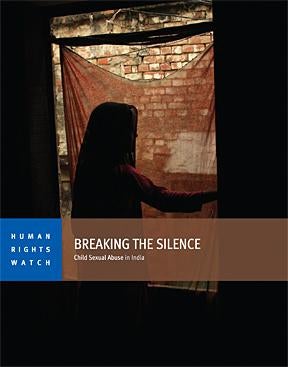
This 82-page report examines how current government responses are falling short, both in protecting children from sexual abuse and treating victims. Many children are effectively mistreated a second time by traumatic medical examinations and by police and other authorities who do not want to hear or believe their accounts.
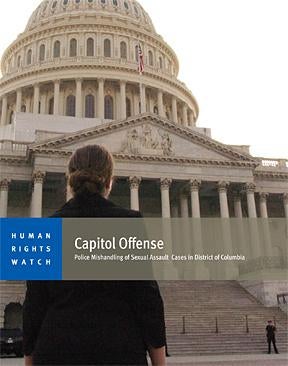
Police Mishandling of Sexual Assault Cases in the District of Columbia
This 196-page report concludes that in many sexual assault cases, the police did not file incident reports, which are required to proceed with an investigation, or misclassified serious sexual assaults as lesser or other crimes.
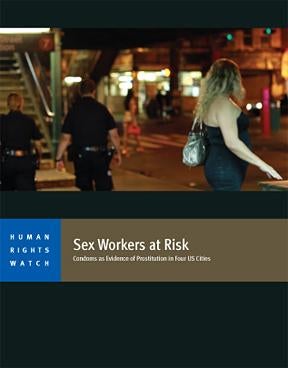
Condoms as Evidence of Prostitution in Four US Cities
This 112-page report documented in each city how police and prosecutors use condoms to support prostitution charges. The practice makes sex workers and transgender women reluctant to carry condoms for fear of arrest, causes them to engage in sex without protection, and puts them at risk of HIV and other sexually transmitted diseases.
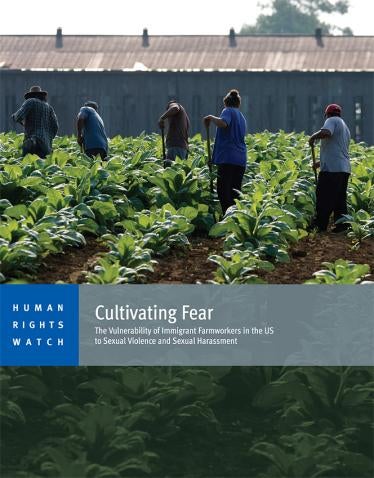
The Vulnerability of Immigrant Farmworkers in the US to Sexual Violence and Sexual Harassment
This 95-page report describes rape, stalking, unwanted touching, exhibitionism, or vulgar and obscene language by supervisors, employers, and others in positions of power. Most farmworkers interviewed said they had experienced such treatment or knew others who had. And most said they had not reported these or other workplace abuses, fearing reprisals.
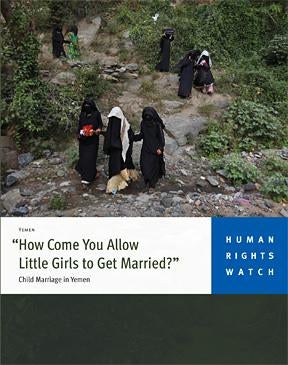
This 54-page report documents the lifelong damage to girls who are forced to marry young. Yemeni girls and women told Human Rights Watch about being forced into child marriages by their families, and then having no control over whether and when to bear children and other important aspects of their lives.
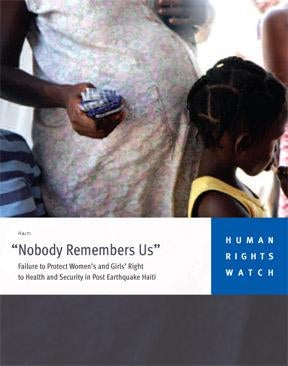
Failure to Protect Women’s and Girls’ Right to Health and Security in Post-Earthquake Haiti
This documents the lack of access to reproductive and maternal care in post-earthquake Haiti, even with unprecedented availability of free healthcare services. The report also describes how hunger has led women to trade sex for food and how poor camp conditions exacerbate the impact of sexual violence because of difficulties accessing post-rape care.
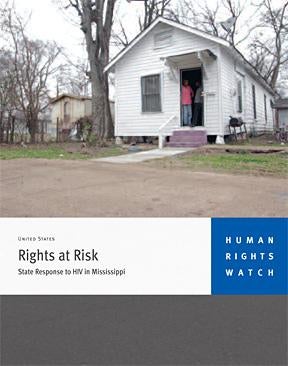
This 59-page report documents the harmful impact of Mississippi's policies on state residents, including people living with HIV and those at high risk of contracting it. Mississippi refuses to provide complete, accurate information about HIV prevention to students and threatens criminal penalties for failing to disclose one's HIV status to sexual partners.
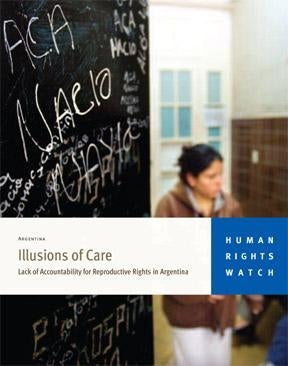
Lack of Accountability for Reproductive Rights in Argentina
This 52-page report documents the many obstacles women and girls face in getting the reproductive health care services to which they are entitled, such as contraception, voluntary sterilization procedures, and abortion after rape.
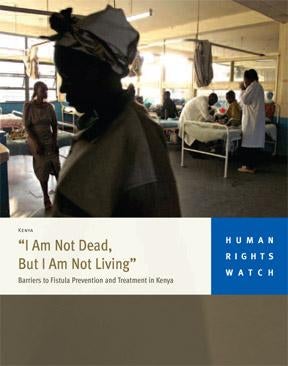
Barriers to Fistula Prevention and Treatment in Kenya
This 82-page report describes the devastating condition facing women with fistula in Kenya and the wide gap between government's policies to address reproductive health and the reality of women's daily lives.
This 42-page report collected comprehensive testing data from 127 of 264 jurisdictions in Illinois and found that only 1,474 of 7,494 sets of physical evidence, known as "rape kits," booked into evidence since 1995 could be confirmed as tested. That suggests 80 percent of rape kits may never have been examined in the state.
In interviews around the world, hundreds of women and girls have described to Human Rights Watch the pursuit of reproductive health care as an obstacle course. Logistical, cultural, and financial barriers to services and information, discrimination, and abusive health providers block the way.
This 52-page report documents the difficulties women face in accessing therapeutic abortion – those needed to save the life of the woman or avoid serious health risks – in Peru’s public health system. While no reliable statistics are available on how many women have been turned away from a legal abortion, in interviews with women, healthcare providers, rights activists and government officials, Human Rights Watch found that women in general lack accurate information about their right to a legal abortion, and public health care professionals are often unclear about the intent of laws guaranteeing women access to legal abortions.