How Low Taxes Drove Sri Lanka’s Economic Crisis and Squandered its Education Lead
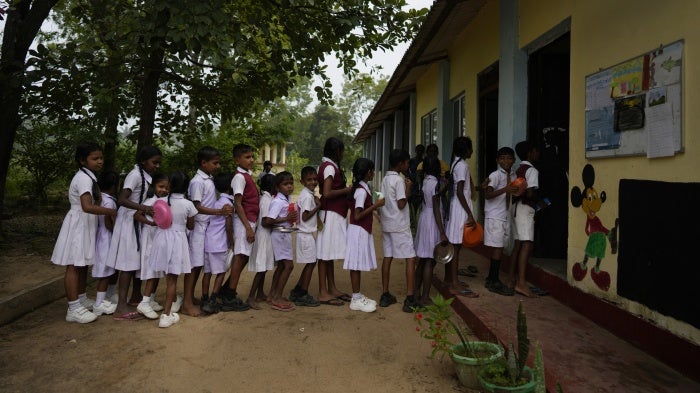
The 101-page report, “Tax Giveaways, Struggling Schools: How Low Taxes Drove Sri Lanka’s Economic Crisis and Squandered its Education Lead,” describes how Sri Lanka’s successive governments have adopted policies that resulted in inadequate revenues, contributing not only to Sri Lanka defaulting on its debt but also to a decades-long decline in public education spending as a share of Gross Domestic Product (GDP) to among the lowest in the world. It also documents the impacts of inadequate funding on children’s right to education. Moreover, low corporate and personal tax revenues have led to an average of 80 percent of taxes coming from goods and services, which generally are regressive because they claim a higher share of poorer people’s income.
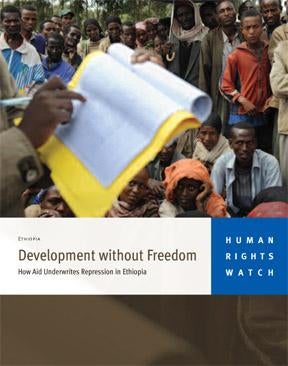
This 105-page report documents the ways in which the Ethiopian government uses donor-supported resources and aid as a tool to consolidate the power of the ruling Ethiopian People’s Revolutionary Democratic Front (EPRDF).
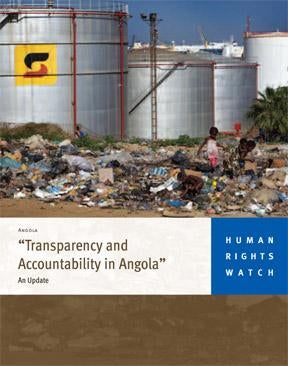
This 31-page report documents how the government took only limited steps to improve transparency after Human Rights Watch disclosed in a 2004 report that billions of dollars in oil revenue illegally bypassed the central bank and disappeared without explanation. The report details newly disclosed evidence of corruption and mismanagement and includes recommendations for reversing the pattern.
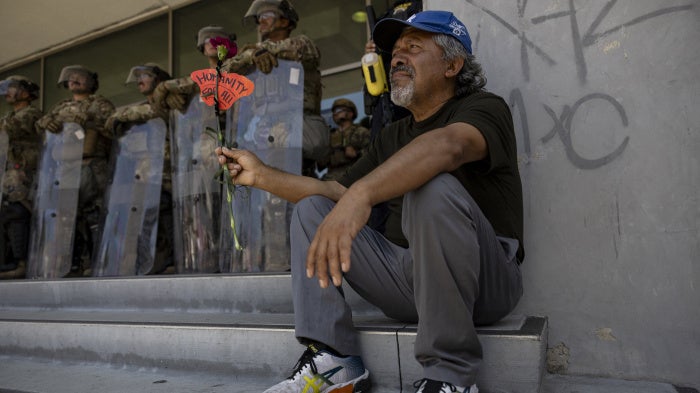
The Kyrgyz government’s human rights record has steadily deteriorated during the past several years. Human Rights Watch has documented serious rights violations, particularly in the areas of political participation, freedom of assembly, and freedom of expression. Local rights groups in particular have exposed serious violations of fundamental rights.
The Use of Oil Revenue in Angola and Its Impact on Human Rights
More than four billion dollars in state oil revenue disappeared from Angolan government coffers from 1997-2002, roughly equal to the entire sum the government spent on all social programs in the same period. Meanwhile, although the 27-year civil war ended in 2002, an estimated 900,000 Angolans are still internally displaced. Millions more have virtually no access to hospitals or schools.
On April 3, 2000, the International Monetary Fund (IMF) and the Angolan government announced the beginning of a Staff Monitored Program (SMP). This program is an ambitious agreement to implement a wide range of economic and institutional reforms in Angola that could lead to further lending and cooperation with the IMF and World Bank, but it is unclear whether the government will be able to comply with its requirements.
On April 3, 2000, as part of a larger agreement between the International Monetary Fund (IMF) and the government of Angola to reform the economy, the IMF and government reached an agreement to monitor oil revenues that would be supervised by the World Bank.