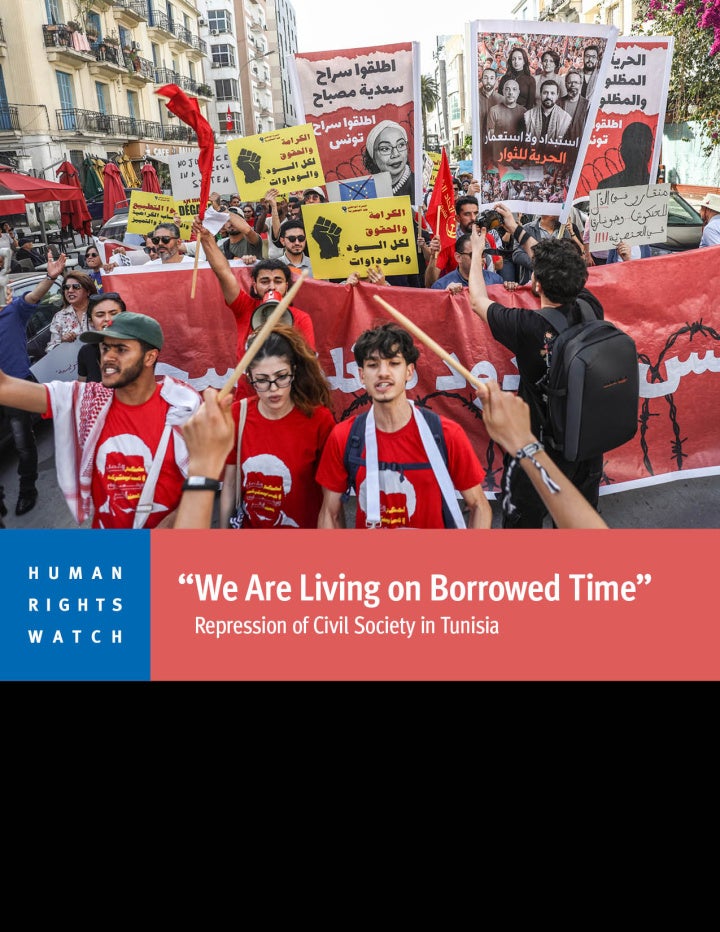
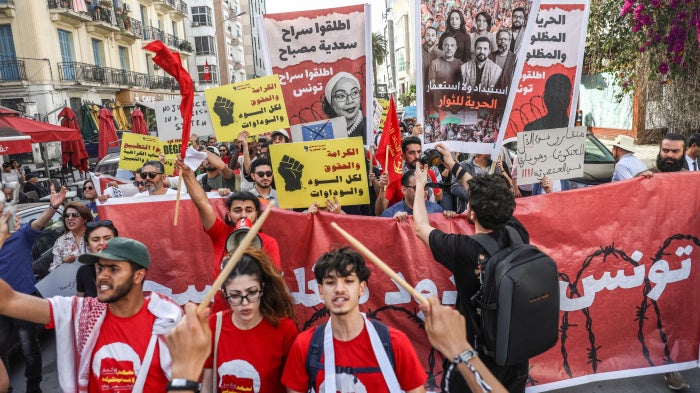
The 49-page report, “‘We Are Living on Borrowed Time’: Repression of Civil Society in Tunisia” documents the Tunisian authorities’ escalating repression of local and international civil society groups, workers, members, and affiliates through the weaponization of abusive prosecutions, arbitrary arrests, detention, financial and criminal investigations, mass suspensions, and threats of dissolution.
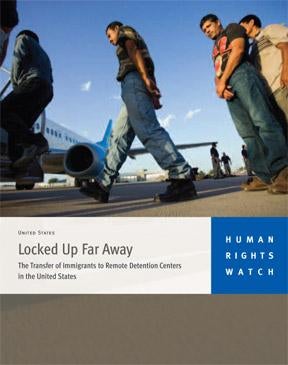
The Transfer of Immigrants to Remote Detention Centers in the United States
This 88-page report presents new data analyzed for Human Rights Watch by the Transactional Records Access Clearinghouse (TRAC) of Syracuse University. The data show that 53 percent of the 1.4 million transfers have taken place since 2006, and most occur between state and local jails that contract with the agency, known as ICE, to provide detention bed space.
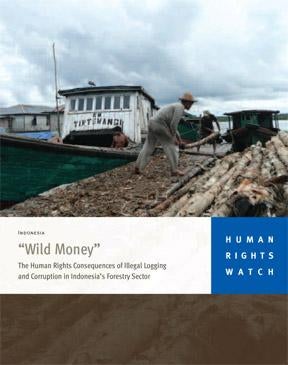
The Human Rights Consequences of Illegal Logging and Corruption in Indonesia’s Forestry Sector
This 75-page report found that more than half of all Indonesian timber from 2003 through 2006 was logged illegally, with no taxes paid. Unreported subsidies to the forestry industry, including government use of artificially low timber market prices and currency exchange rates, and tax evasion by exporters using a scam known as "transfer pricing," exacerbated the losses.
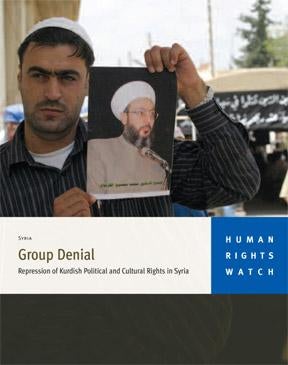
Repression of Kurdish Political and Cultural Rights in Syria
This 63-page report documents the Syrian authorities' efforts to ban and disperse gatherings calling for Kurdish minority rights or celebrating Kurdish culture, as well as the detention of leading Kurdish political activists and their ill-treatment in custody. The repression of Kurds in Syria has greatly intensified following large-scale Kurdish demonstrations in March 2004.
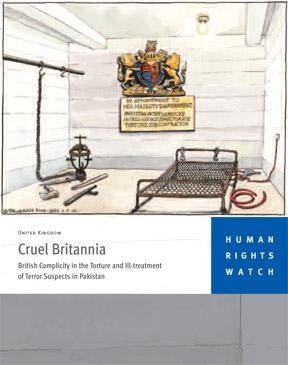
British Complicity in the Torture and Ill-treatment of Terror Suspects in Pakistan
This 46-page report provides accounts from victims and their families in the cases of five UK citizens of Pakistani origin - Salahuddin Amin, Zeeshan Siddiqui, Rangzieb Ahmed, Rashid Rauf and a fifth individual who wishes to remain anonymous - tortured in Pakistan by Pakistani security agencies between 2004 and 2007.
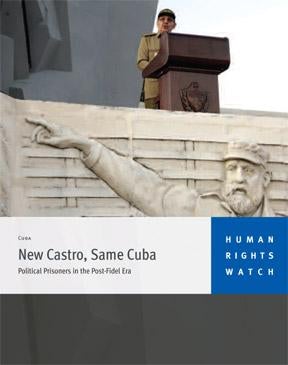
This report shows how Raúl Castro has kept Cuba’s repressive machinery firmly in place and fully active since being handed power by his brother Fidel Castro. Scores of political prisoners arrested under Fidel continue to languish in prison, and Raúl has used draconian laws and sham trials to incarcerate scores more who have dared to exercise their fundamental rights.
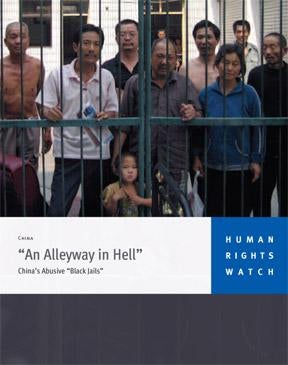
This 53-page report documents how government officials, security forces, and their agents routinely abduct people off the streets of Beijing and other Chinese cities, strip them of their possessions, and imprison them. These black jails are often located in state-owned hotels, nursing homes, and psychiatric hospitals.
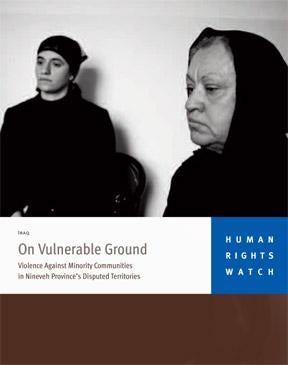
Violence against Minority Communities in Nineveh Province’s Disputed Territories
This 51-page report calls on the regional government to grant legal recognition to Shabaks and Yazidis as distinct ethnic groups instead of imposing Kurdish identity on them and to ensure that they can participate in public affairs without fear of retribution.
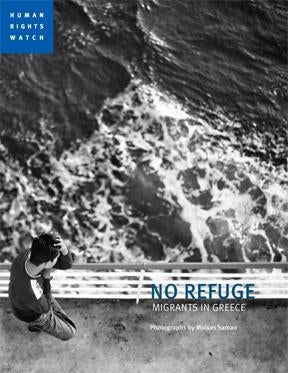
Between August and September 2009, Human Rights Watch interviewed 16 migrants who had been arrested on Samos, Symi, and Chios Islands, and the port towns of Patras and Igoumenitsa. The Greek authorities transferred them to detention centers close to the land border with Turkey and held them in the border police stations of Soufli, Tichero, and Feres, as well as in the Venna and Fylakio-Kyprinou (Fylakio) detention facilities. Two detained migrants described to us how Greek police forcibly pushed them across the river into Turkey from where Turkish authorities sent them back to Afghanistan.
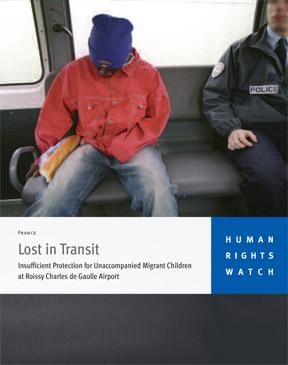
Insufficient Protection for Unaccompanied Migrant Children at Roissy Charles de Gaulle Airport
In this 60-page report, Human Rights Watch concludes that France's system of detaining and deporting unaccompanied migrant children who arrive in Paris by air puts them at serious risk.
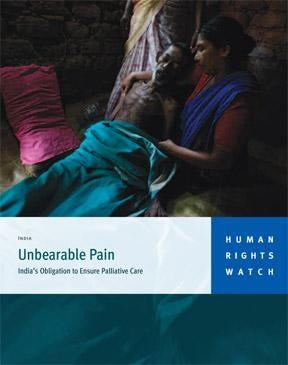
This 102-page report found that many major cancer hospitals in India do not provide patients with morphine, despite the fact that more than 70 percent of their patients are incurable and likely to require pain treatment and palliative care. Health centers offering services to people living with HIV similarly do not have morphine or doctors trained to prescribe it.
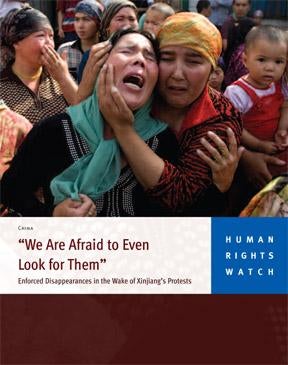
Enforced Disappearances in the Wake of Xinjiang’s Protests
This 44-page report documents the enforced disappearances of 43 Uighur men and teenage boys who were detained by Chinese security forces in the wake of the protests.
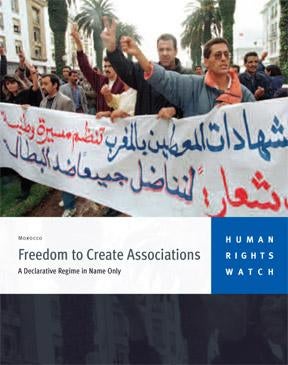
This 45-page report says that local representatives of the Interior Ministry often refuse to accept registration papers when a group's objectives or membership displeases the authorities. Moroccan law permits new associations to come into being simply by registering with local authorities, rather than by requiring prior authorization. The law obliges officials to accept the registration papers.