After the Storm
A new web feature looks at climate change, planned relocation, and people with disabilities in Siargao, Philippines.
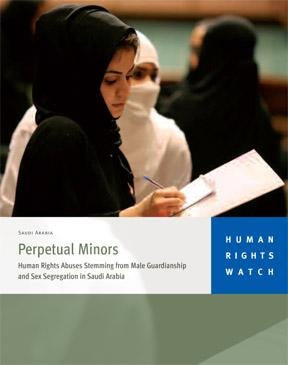
In this 50-page report, Human Rights Watch draws on more than 100 interviews with Saudi women to document the effects of these discriminatory policies on a woman’s most basic rights.
This 23-page report documents how such children live without legal identity or access to elementary education. These children live in the Yanbian Korean Autonomous Prefecture in eastern Jilin Province, northeast China (near its border with North Korea). Some are from North Korea while others were born in China and have Chinese fathers and North Korean mothers.
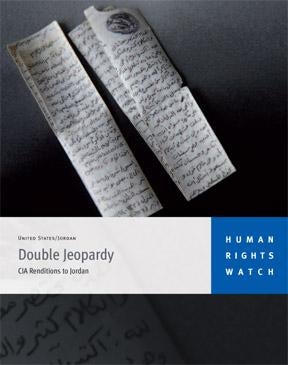
This 36-page report documents how Jordan’s General Intelligence Department (GID) served as a proxy jailer and interrogator for the CIA from 2001 until at least 2004. While a handful of countries received persons rendered by the United States during this period, no other country is believed to have held as many as Jordan.
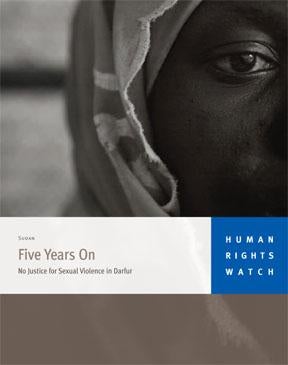
This 44-page report documents the widespread prevalence of sexual violence throughout Darfur, and details incidents of violent rape perpetrated on girls as young as 11 years old. The government of Sudan has failed to rein in the abuse, much of which is carried out by their own soldiers and allied militia. In spite of the presence of international peacekeepers in Darfur, they have to date been under-resourced and unable to protect women and girls from rape and other forms of violence.
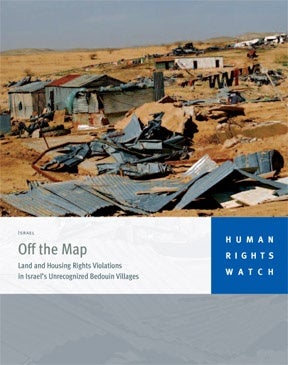
This 130-page report documents how discriminatory Israeli laws and practices force tens of thousands of Bedouin in the south of Israel to live in “unrecognized” shanty towns where they are under constant threat of seeing their homes demolished and their communities torn apart.
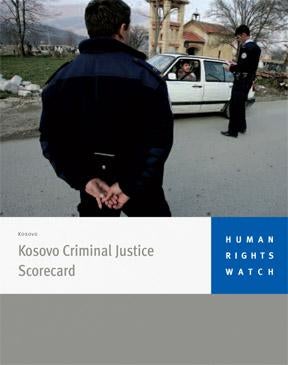
This 34-page report assesses progress in the justice system since the publication of a May 2006 Human Rights Watch report “Not on the Agenda: The Continuing Failure to Address Accountability in Kosovo Post-March 2004.”
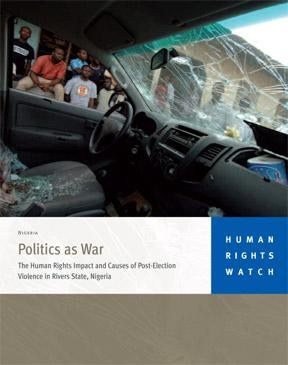
This 55-page report is based on a two-week research mission that included interviews with victims, politicians, gang leaders, and law enforcement officials. The report found that Rivers’ gangs have grown powerful and violent through ties to influential politicians and because of the impunity long accorded them by political leaders and law enforcement agencies.
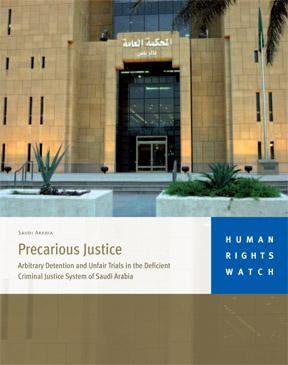
This 144-page report documents the arbitrary arrest and detention of individuals for vaguely defined crimes or behavior that is not inherently criminal. Once arrested, suspects often face prolonged solitary confinement, ill-treatment, forced confessions, and are denied a lawyer at crucial stages of interrogation and trial.
This 82-page report documents the routine arrest of children for such “offenses” as begging, running away from home, or being alone with a member of the opposite sex. Prosecutors can hold children, like adults, for up to six months before referring them to a judge. In the case of girls, authorities can detain them indefinitely, without judicial review, for what they say is “guidance.” Detention centers mix children under investigation or trial with children convicted of a crime and sometimes with adults. Judges regularly try children without the presence of lawyers or sometimes even guardians, even for crimes punishable by death, flogging, or amputation.
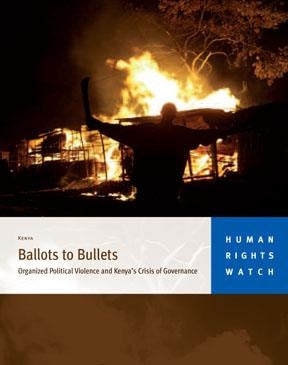
This 81-page report documents how hundreds of lives were lost due to organized political and ethnic violence sparked by irregularities in the December 2007 presidential elections. The report also describes unlawful killings by the Kenyan police, who used excessive force in responding to demonstrations, killing hundreds of people.
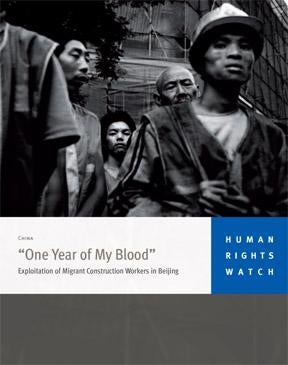
This 61-page report documents the Chinese government’s failure to fulfill long-repeated promises to protect the rights of migrant construction workers, as well as to end deprivations caused by the discriminatory nature of China’s household registration (hukou) system. An estimated 1 million migrant construction workers, hailing from other parts of China, make up nearly 90 percent of Beijing’s construction workforce.
This 241-page report documents 99 of the several hundred cases reported, and examines the Sri Lankan government’s response, which to date has been grossly inadequate. In 2006 and 2007, the United Nations Working Group on Enforced and Involuntary Disappearances recorded more new “disappearance” cases from Sri Lanka than from any other country in the world.
This 72-page report documents how these regulations have targeted various NGOs that work on controversial issues, seek to galvanize public dissent, or receive foreign funding.