The Persecution of Environmentalists and Indigenous Leaders in Indonesia
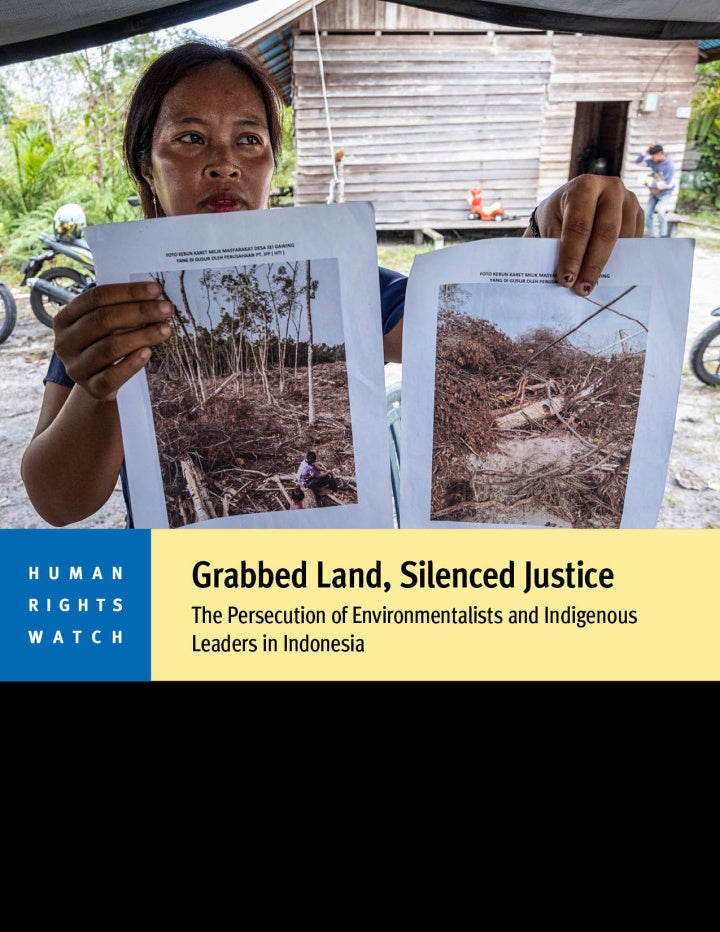
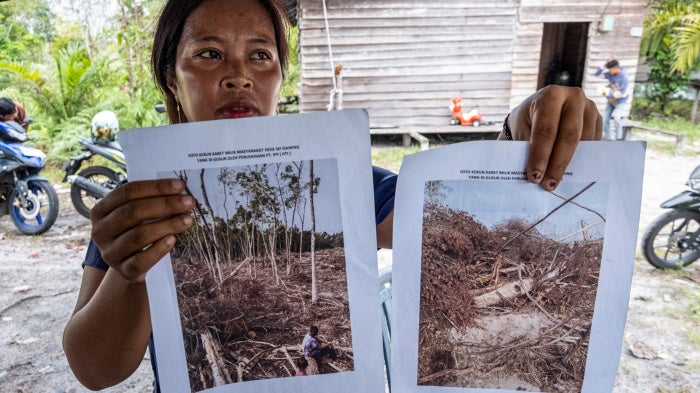
The 70-page report, “Grabbed Land, Silenced Justice: The Persecution of Environmentalists and Indigenous Leaders in Indonesia,” documents how Indonesian police have responded to complaints filed by company officials or politicians by silencing Indigenous villagers who demand their customary land rights and the activists who defend them. The authorities have targeted environmental and Indigenous community defenders using the criminal code and other laws to bring charges ranging from defamation to “spreading communism” to silence protest over environmental harm.
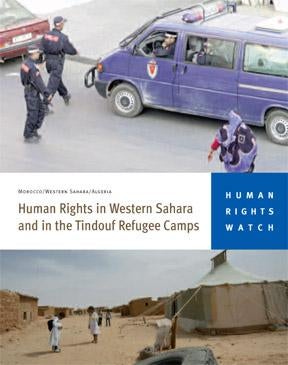
This 216-page report focuses on the present-day situation rather than on past abuses. Human Rights Watch documents how Morocco uses a combination of repressive laws, police violence, and unfair trials to punish Sahrawis who advocate peacefully in favor of independence or full self-determination for the disputed Western Sahara.
The Origins of "Sodomy" Laws in British Colonialism
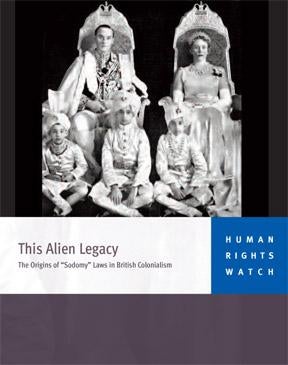
This 66-page report describes how laws in over three dozen countries, from India to Uganda and from Nigeria to Papua New Guinea, derive from a single law on homosexual conduct that British colonial rulers imposed on India in 1860. This year, the High Court in Delhi ended hearings in a years-long case seeking to decriminalize homosexual conduct there. A ruling in the landmark case is expected soon.
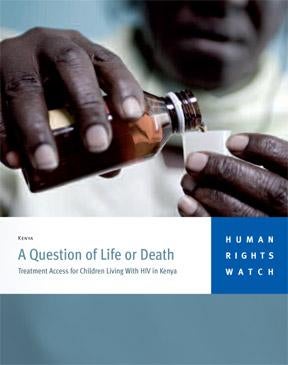
Treatment Access for Children Living With HIV in Kenya
In this 100-page report, Human Rights Watch documents how the government's HIV treatment program has failed to get lifesaving drugs to the majority of children who need them. If untreated, half of all children born with HIV will die before their second birthdays.
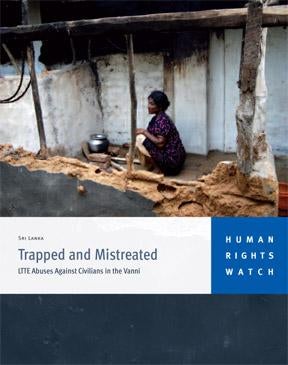
This 17-page report details how the Liberation Tigers of Tamil Eelam (LTTE), which have been fighting for an independent Tamil state for 25 years, are brutally abusing the Tamil population in areas under their control.
This 42-page report documents how thousands of defendants in Iraq wait months or even years before facing a judge and hearing charges against them in the Central Criminal Court (CCCI), and cannot pursue a meaningful defense or challenge evidence against them.
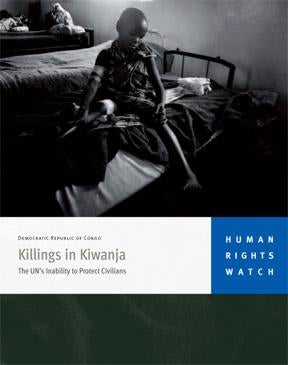
The 30-page report details the killing of an estimated 150 people in the town of Kiwanja on November 4 and 5, 2008 - the worst killing spree in North Kivu province in two years. Although UN peacekeepers considered Kiwanja a priority protection zone, they did not have enough peacekeepers or the capacity to stop the killings.
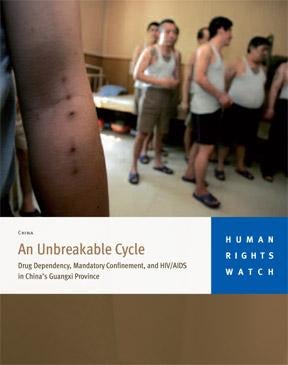
Drug Dependency Treatment, Mandatory Confinement, and HIV/AIDS in China’s Guangxi Province
In China, illicit drug use is an administrative offense and Chinese law dictates that drug users “must be rehabilitated.” In reality, police raids on drug users often drive them underground, away from methadone clinics, needle exchange sites, and other proven HIV prevention services.
The 104-page report, "So Much to Fear: War Crimes and the Devastation of Somalia," describes how the Somali Transitional Federal Government (TFG), the Ethiopian forces that intervened in Somalia to support it and insurgent forces have committed widespread and serious violations of the laws of war.
This 80-page report documents 28 cases of police abuse against members of the public since the start of 2007, and examines official investigations of police conduct in those instances. The cases include fatal and non-fatal shootings by the police; ill-treatment and excessive use of force by police against demonstrators; and ill-treatment during or following identity checks.
Freedom of Religion, Assembly and Expression in Kazakhstan
The 55-page report is being released before the OSCE Ministerial Council meeting on December 4 and 5 in Helsinki. The report documents Kazakhstan's extensive restrictions on freedom of religion, expression, and assembly, which are inconsistent with its international obligations on human rights.
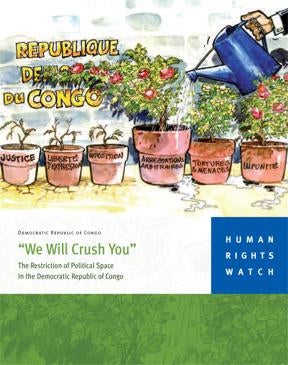
The Restriction of Political Space in the Democratic Republic of Congo
This 96-page report documents the Kabila government's use of violence and intimidation to eliminate political opponents. Human Rights Watch found that Kabila himself set the tone and direction by giving orders to "crush" or "neutralize" the "enemies of democracy," implying it was acceptable to use unlawful force against them.
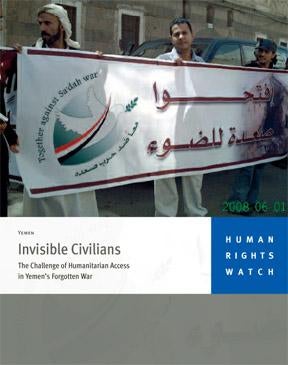
The Challenge of Humanitarian Access in Yemen’s Forgotten War
This 50-page report documents how the Yemeni authorities have severely restricted humanitarian access to its northernmost governorate, Sa’da, ravaged by four years of armed conflict. As of October 2008, up to 70,000 people in remote areas and towns remained outside the reach of aid agencies.