The Inhumane Effects of White Phosphorus Munitions and the Need for Stronger Law
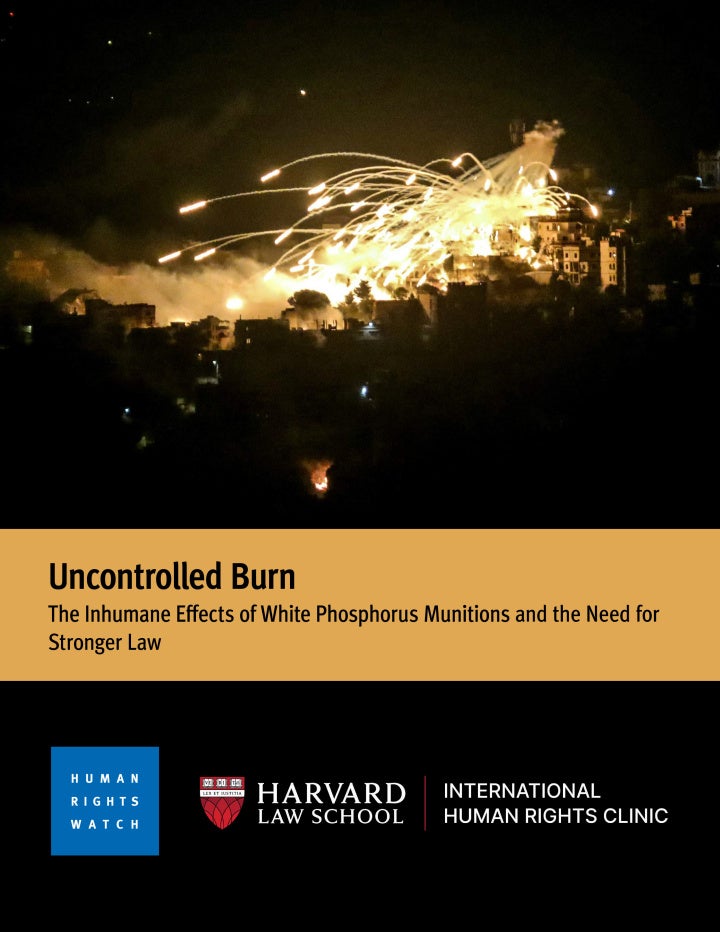
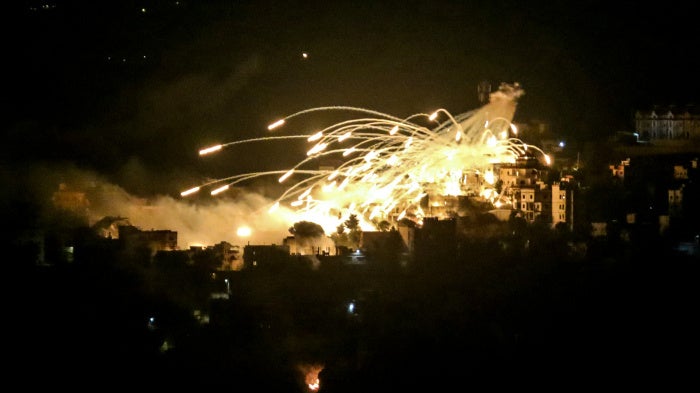
The 45-page report, “Uncontrolled Burn: The Inhumane Effects of White Phosphorus Munitions and the Need for Stronger Law,” documents 23 verified incidents of Israeli use in southern Lebanon between March and May 2026. The report also details the horrific harm the munitions have caused in armed conflicts in recent years. White phosphorus munitions, which produce fire when their payload is exposed to oxygen, are not currently regulated by a specific treaty.
The Argentine Government's Failure to Back Trials of Human Rights Violators
A decade ago, Argentina seemed to have closed the books on the grave and systematic human rights violations committed under the military juntas that ruled the country from 1976 to 1983. But now, Argentina has a rare opportunity to finally provide truth and justice for thousands of relatives of victims who have suffered for decades with neither.
In this new report, Human Rights Watch called on Mexico to end military jurisdiction over all cases involving human rights violations. The Mexican justice system currently leaves the task of investigating and prosecuting army abuses to military authorities. Because of this arrangement, serious violations go unpunished.
Balancing Security and Human Rights in the Palestinian Justice System
People detained by the Palestinian Authority are frequently subjected to torture and denied access to fair trials, Human Rights Watch said in this new report.
The Indian parliament is currently debating the enactment of legislation that would reinstate a modified version of the Terrorists and Disruptive Activities (Prevention) Act (TADA) of 1985 (amended 1987).
On 21 November 2001 the Court of Appeal in Rabat acquitted 36 human rights defenders who had been sentenced earlier in the year to three months in prison for “participating in the organization of an unauthorized demonstration” on 9 December 2000.
While we understand the need to enhance internal security in the aftermath of the 11 September attacks in the United States and in the context of on-going armed conflict in Afghanistan, we are dismayed by U.K.
In this briefing paper, Human Rights Watch builds on the U.N. experts’ report to examine the manner in which the Liberia arms embargo has been systematically breached to furnish weapons to gross human rights abusers. Much attention has been given in the past to the subject of individual arms traffickers and the transport networks they use to illegally deliver weapons to abusive end users.
This week President Andrés Pastrana will visit the United States on a trip that includes a scheduled meeting on November 11 with President George W. Bush. His agenda will include discussions about the new war on terrorism as well as continued U.S. funding for counternarcotics efforts in Colombia.
The United States-led alliance began its air campaign in Afghanistan on October 7, 2001. While the Pentagon has been reluctant to talk of specific weapons used in the bombing, U.S. military sources have told Human Rights Watch that the Air Force began dropping cluster bombs within a matter of days.
Systematic Violations of Women's Rights in Afghanistan
Women in Afghanistan have suffered a catastrophic assault on their human rights during more than twenty years of war and under the repressive rule of the Taliban.
This report documents torture, killings, rapes, forced expulsions, and other war crimes committed by Serbian and Yugoslav government forces against Kosovar Albanians between March 24 and June 12, 1999, the period of NATO's air campaign against Yugoslavia. The report reveals a coordinated and systematic campaign to terrorize, kill, and expel the ethnic Albanians of Kosovo that was organized by the highest levels of the Serbian and Yugoslav governments in power at that time.
The U.S- led military intervention in Afghanistan marks the fourth phase in the country's twenty-three-year-old civil war. In every phase foreign powers have intensified the conflict by supporting one side against another.
The Impact of the September 11 Attacks on Refugees, Asylum Seekers and Migrants in the Afghanistan Region and Worldwide
The backlash against refugees, asylum seekers and migrants throughout the world is a serious side effect of the September 11 attacks. While governments have legitimate security concerns, there must be a balance with human rights and refugee protection standards.
n the wake of the September 11 attacks on the United States, the People's Republic of China has offered strong support for Washington and affirmed that it "opposes terrorism of any form and supports actions to combat terrorism." Human Rights Watch is concerned that China's support for the war against terrorism will be
The horrific attacks of September 11, 2001 on the World Trade Center and the Pentagon that claimed the lives of thousands of civilians constituted criminal acts under both United States and international law.