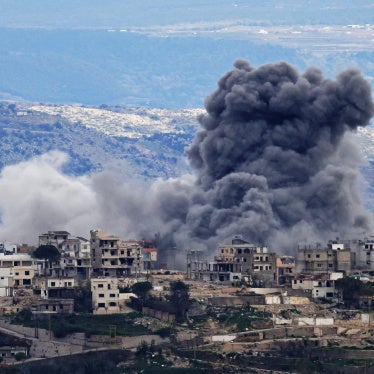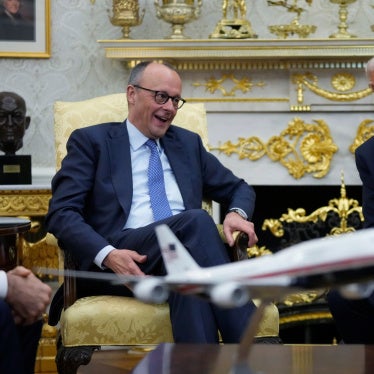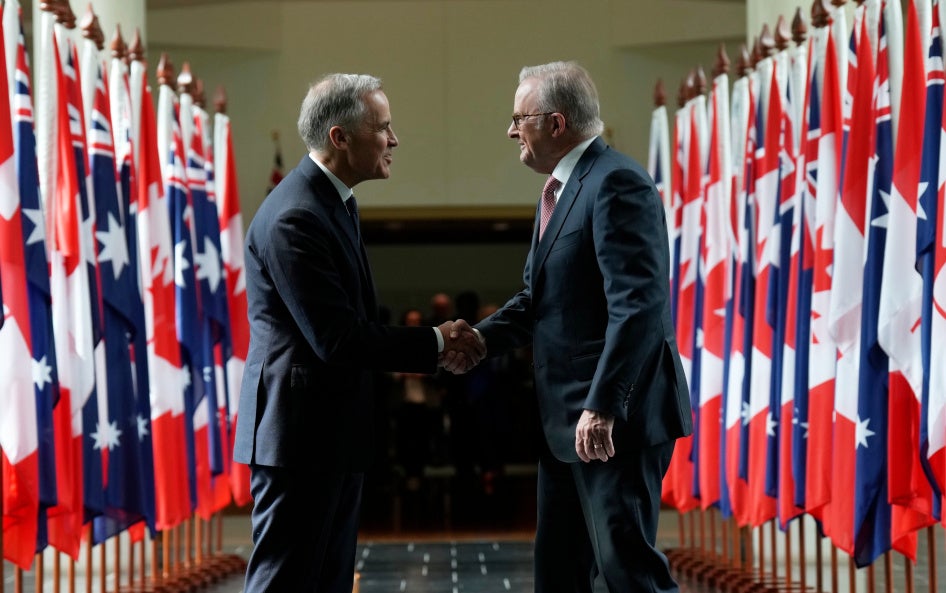
This week, Canadian Prime Minister Mark Carney is visiting Australia to meet with his counterpart, Prime Minister Anthony Albanese. With escalating hostilities in the Middle East, the meeting is an opportunity for the leaders of the two “middle power” countries to dispense with muddled messaging and take the lead upholding human rights protections.
Carney’s visit comes with welcoming messages from Australia about the two countries’ close partnership and shared values. But the leaders’ joint statement made no reference to human rights or international law: core values both nations have traditionally espoused.
In their joint press conference, Albanese said, “[w]ith the international system under increasing pressure, we want to work together and with our partners to uphold and defend peace, security and prosperity.” Though all of those ideals depend on respecting human rights, the Australian government has not been willing to denounce violations of international humanitarian law by all parties in the ongoing hostilities.
Carney’s speech at Davos in January reminded the world that middle powers “are not powerless. They have the capacity to build a new order that embodies our values, like respect for human rights, sustainable development, solidarity, sovereignty and territorial integrity of states.” He also said middle powers need to act “consistently, applying the same standards to allies and rivals.”
At the United Nations General Assembly in September 2025, Albanese acknowledged the important role of smaller nations and middle powers, saying “[i]f we resign ourselves to the idea that war is inevitable, or relegate ourselves to the status of disinterested bystanders, if our only response to every crisis is to insist that there is nothing we can do, then we risk being trusted with nothing.”
In times of conflict, governments committed to international human rights and humanitarian law should be prepared to defend them. Both Carney and Albanese have acknowledged that middle power leadership and shared values should not only be relied on when it is easy or convenient.
Australia and Canada should work together to denounce violations of international human rights and humanitarian law by the United States, Israel, Iran, and other parties to the conflict. And they should encourage key partners like Japan, India, Indonesia, as well as other middle power countries and smaller nations, to do the same.