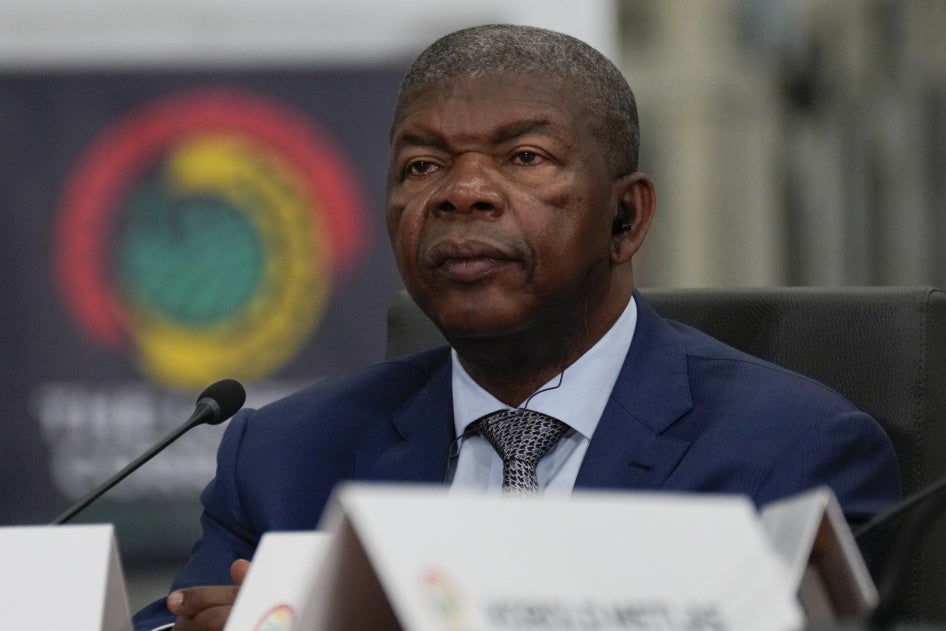
Angolan President João Lourenço has signed into law new legislation that regulates the operation of nongovernmental organizations and other groups in the country. Civil society organizations, including Human Rights Watch, have warned about the serious risks the law poses to civic space in Angola.
Published on March 2, the law grants the government broad powers to authorize, monitor, suspend, and financially restrict civil society organizations under vague notions of “security threats.” Organizations have expressed concern that without clear legal safeguards or independent oversight, authorities could use the legislation to silence critical voices and restrict the ability of organizations to operate freely.
The law contains undefined and discretionary provisions that violate the rights to freedom of association and expression under international human rights conventions to which Angola is a party.
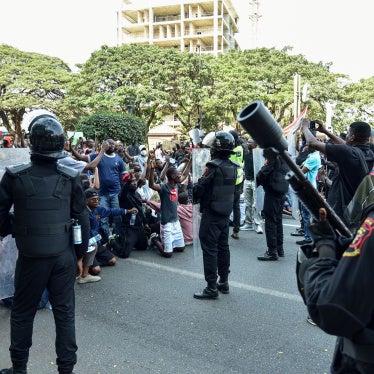
The new legislation is the latest example of the government’s increasing restrictions on rights and freedoms in Angola. In 2024, President Lourenço signed the Law on Crimes of Vandalism of Public Goods and Services, which imposes severe prison sentences for acts of vandalism, effectively criminalizing participants in peaceful protests, and the National Security Law, which empowers security forces to supervise media outlets and interrupt broadcasts in “exceptional situations” without judicial oversight. Draft legislation on “online disinformation” introduced on January 22, 2026, likewise raises concerns around new efforts to further restrict free expression and public debate.
Angolan authorities should immediately review and remove abusive provisions in the Non-Governmental Organization Law, as well as in other recent laws and proposed measures that restrict rights and freedoms. It is essential to safeguard civil society space as a cornerstone of democracy, ensuring that all independent organizations, including those defending human rights, can operate freely and without interference.