Human rights are not applicable only to some people. They apply to everyone. One of my first forays into the world of human rights was a university internship at a human rights organisation. We received a letter from a man whose name I recognised from a notorious murder case. He described ill treatment of other prisoners by prison guards. The prisoners he named were among Australia’s most notorious convicted serial killers.
I took the matter to my supervisor, who gave me my first fundamental lesson in human rights: protecting rights does not depend on whether a person is perceived as good or deserving. If a person’s rights are violated, their rights should be defended – even if they may have violated the rights of others.
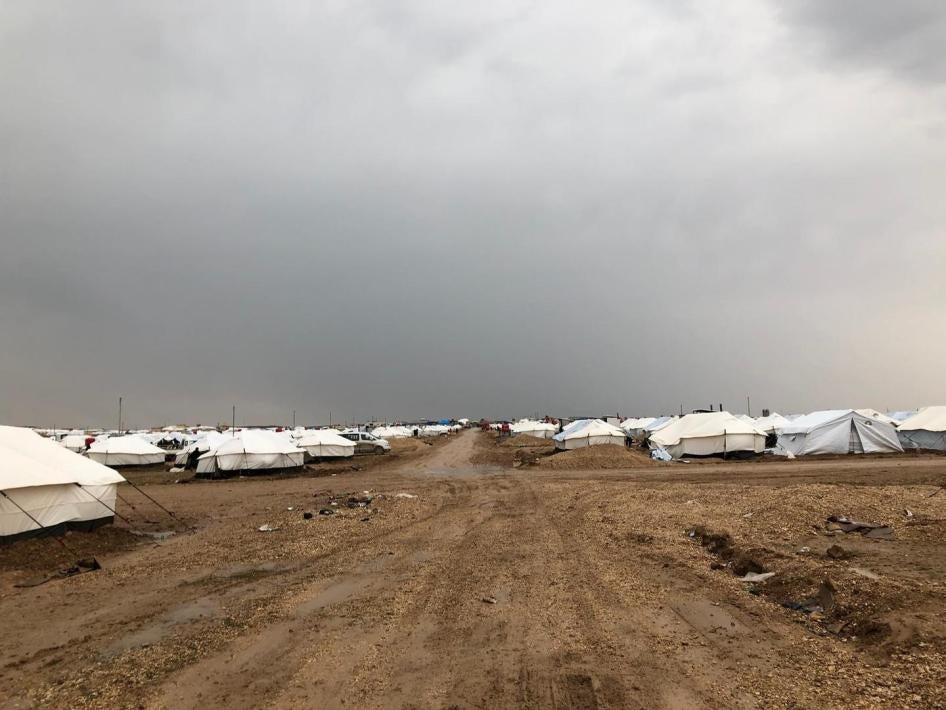
This principle is particularly relevant to the current public debate in Australia. Eleven women and 23 children, all Australian nationals, are seeking to return to Australia from the hellscape that is al-Roj camp in north-east Syria. Other Australians there have previously found their way back or been repatriated by the Australian government. But we know from reporting that most of those still there were family of Australians who travelled to Syria and Iraq to join the extremist armed group Islamic State.
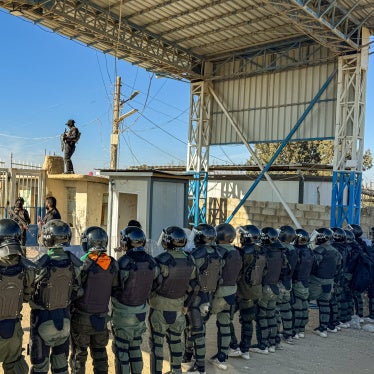
Since the Islamic State’s defeat in 2019 – almost seven years ago – these 34 people have been arbitrarily detained in camps administered by Kurdish-led authorities. They have not been charged or brought before a judicial authority to determine the necessity or legality of their detention. They have also been held in dire and extremely dangerous conditions. Human Rights Watch has received recent accounts as the new Syrian government takes over the region of near nightly raids in al-Roj camp with beatings, verbal harassment, threats, theft and extortion.
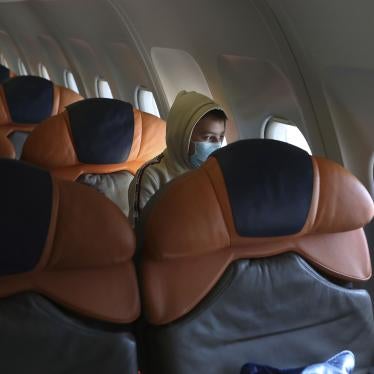
The Australian government demonstrated in 2022 that it can safely repatriate its nationals from north-east Syria, when it brought home four other women and 13 children. Australian authorities have previously stated that adults may be investigated and, where appropriate, prosecuted under existing counter-terrorism laws upon return.
Despite this, political rhetoric surrounding the remaining group has hardened. Even Anthony Albanese has said about them “you make your bed, you lie in it” and that he has “nothing but contempt” for the women. The opposition has said it will introduce legislation to punish anyone who attempts to help them to return with up to 10 years in prison.
But, as I learned 25 years ago, this is not how human rights work. Rights are not bestowed only on people who society – or the prime minister – has deemed worthy. As article 1 of the Universal Declaration of Human Rights proclaims: “All human beings are born free and equal in dignity and rights.”
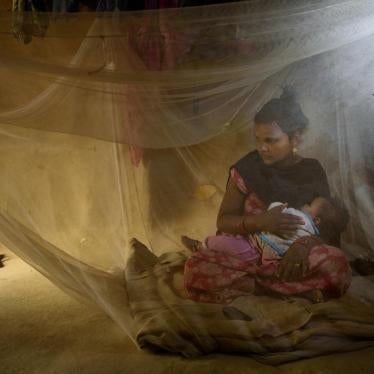
I could tell you that many of the women were taken there through complex and coercive ways. I could tell you that most of the children – taken there from Australia or born later in the camp – are far too young to have played any active role in the Islamic State. And that these children should not be held responsible for their parents’ decisions. But none of this should matter. Their perceived role is irrelevant to whether they have rights.
The same principle applies to the Australian men detained in north-east Syria who are suspected of Islamic State affiliation. Allegations of serious crimes, including terrorism offences, do not nullify fundamental rights protections.
Many foreign men captured during or after the conflict remain detained by Kurdish-led authorities. Like the women, most have not been charged or brought before a court to determine the legality of their detention.
International law binding on Australia applies to everyone – the rights to life; to be free from arbitrary arrest and detention, torture and other ill treatment; to a fair trial; to enter one’s country; and to a nationality. UN human rights experts have said that governments have a primary responsibility to take reasonable measures to protect the rights of their nationals abroad facing life-threatening risks or torture.
In all actions concerning children, the best interests of the child shall be a primary consideration. Their parents’ conduct is not relevant to whether the rights of their children should be protected.
Australia is well equipped to accept these remaining women and children. In 2022, Human Rights Watch research found that many children detained in the camps who were subsequently returned to their countries were reintegrated successfully. Australia has sophisticated services to support people who have experienced displacement, conflict-related violence, family separation or loss, and interrupted schooling.
And as Australian authorities have stated – and demonstrated – Australia also has counter-terrorism laws and law enforcement agencies that will enable, where appropriate, investigating and prosecuting returning adults if warranted.
The prime minister needs to recognise that fostering a rights respecting country means ensuring that rights apply to everyone.