China’s government has long sought to silence dissent abroad, but recently there’s been a disturbing escalation: harassment through sexually explicit letters targeting activists outside the country.
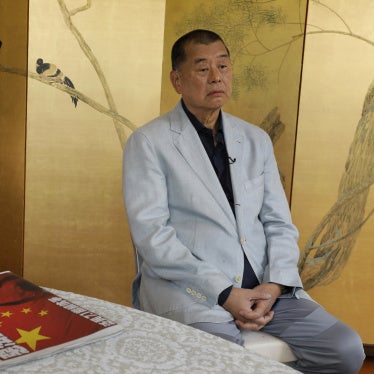
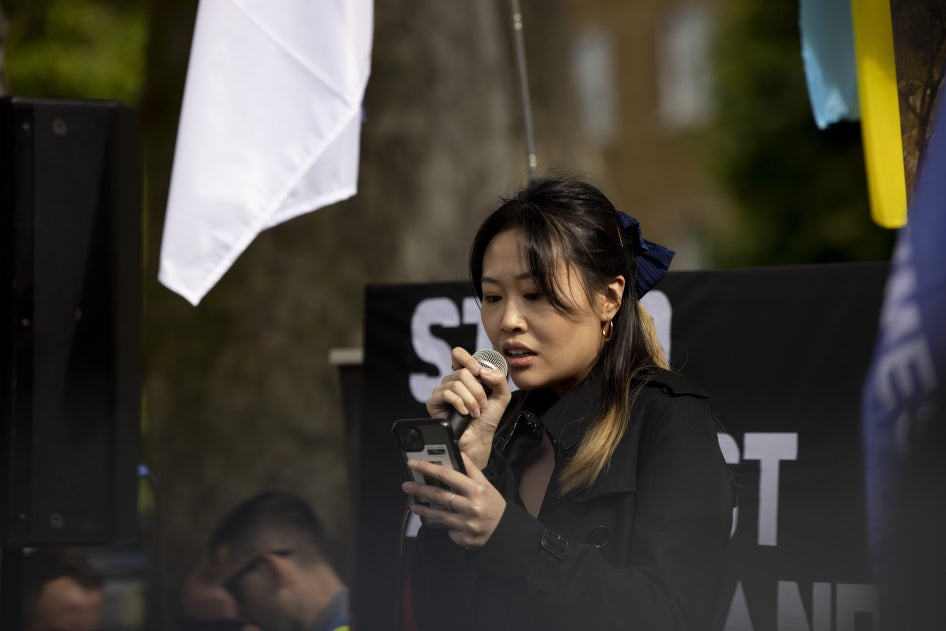
Hongkongers Carmen Lau and Ted Hui are exiled activists who face arrest warrants back in Hong Kong under the draconian National Security Law. They revealed last week that anonymous individuals were distributing in the United Kingdom and Australia sexually explicit deepfakes depicting them and their families. While police investigations in both countries could not trace the origins of these images, after Lau went public, a Chinese government spokesperson defended the pursuit of “wanted fugitives” as “legitimate and reasonable.”
There is evidence that the Chinese government was directly involved in a similar case in 2024, when anonymous online accounts circulated threatening and sexually suggestive posts targeting the 16-year-old daughter of Deng Yuwen, a US-based critic of the Chinese government, that were subsequently traced back to China’s security agencies. These tactics appear to have surged in recent years: the Australian Strategic Policy Institute, a think tank, noted the increasingly gendered nature of online harassment against critics of the Chinese government as early as 2022.
While not all online harassment can be traced to Beijing, the government’s actions against exiled critics—issuing baseless arrest warrants and bounties and publishing violent rhetoric in government outlets (such as calling activists the “black hands” that “need to be cut off”)—signal to the Chinese diaspora worldwide that these activists are enemies of the state. Such encouragement effectively paints a target on their backs for harassment, surveillance, and abuse.
Governments need to take effective steps against “transnational repression”—cross-border abuses against activists and their families. First, they should publicly condemn such acts, especially harassment designed to psychologically abuse, shame, and marginalize critics.
Second, they need to investigate cases thoroughly, track patterns of transnational repression, and establish reporting mechanisms for diaspora communities. The US and Australian governments have taken some of these actions; other governments should follow suit.
Third, governments should commit to transparency by regularly reporting on progress addressing transnational repression.
Finally, governments need to commit to prioritizing victims. Beyond a law enforcement response, authorities should provide resources to support victims’ digital security and mental health needs, so that those exiled may enjoy the same rights as everyone else in their new country and feel safe again.