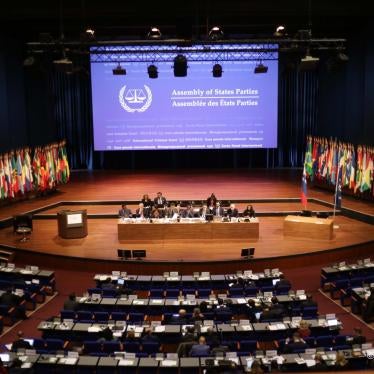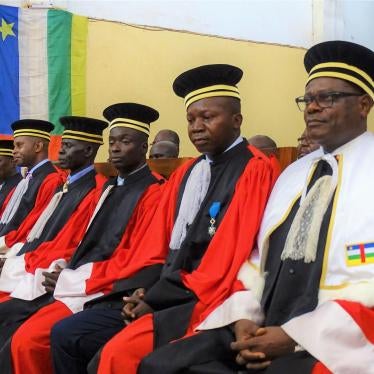
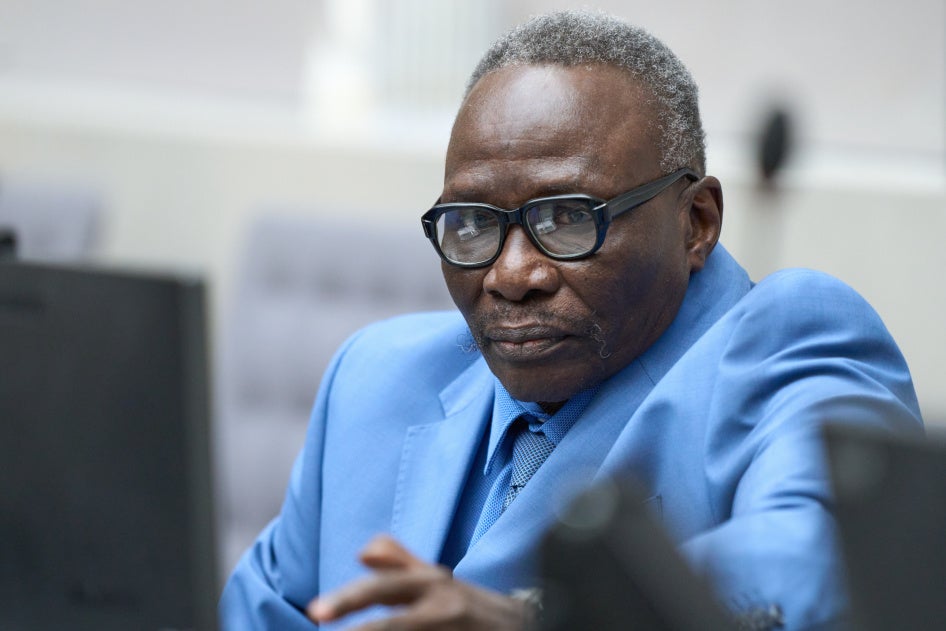
Last week, the International Criminal Court (ICC) sentenced Ali Muhammad Ali Abd-Al-Rahman (also known as Ali Kosheib), a former leader of Sudan’s “Janjaweed” militias, to 20 years in prison. It follows his conviction in October for war crimes and crimes against humanity committed in Sudan’s Darfur region between 2003-2004. The long-awaited, landmark sentence is an important moment for victims and provides much needed hope amid the ongoing atrocities taking place in the country, which have been fueled by decades of rampant impunity.
Emotions were heightened in the courtroom as Ali Kosheib stood to hear his sentence, a moment that a representative from a Sudanese victims’ group in the room described to Human Rights Watch as “surreal.” That said, as another individual shared with me, it “barely begins to touch the mountains of pain” in which victims continue to suffer in Darfur and across Sudan.
Ali Kosheib has the right to appeal the conviction and the sentence decisions. The case will now move on to hearings on reparations, an important aspect of the ICC’s role in bringing redress
As Kosheib’s case reaches its final stages before the ICC it should bring renewed global attention for the need for justice across Sudan.
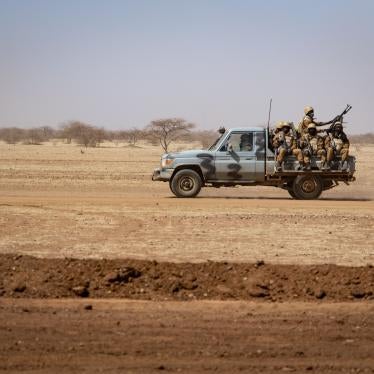
The current conflict between the Sudanese Armed Forces (SAF) and the Rapid Support Forces (RSF) has been raging for more than two years and both warring parties continue to commit atrocity crimes across Sudan, including the RSF’s most recent wave of mass killings and other grave abuses in North Darfur’s capital, El Fasher. Earlier this year, the ICC Office of the Prosecutor signaled that it expects to request further arrest warrants based on its investigations into ongoing crimes.
Without justice, impunity will continue to fuel atrocities in Sudan, producing yet more generations of victims. The SAF-affiliated authorities should, without further delay, hand over the remaining ICC fugitives to the court, including former Sudanese president Omar al-Bashir and two other former Sudanese high-level officials.
On behalf of the victims, governments should back the ICC’s critical work in Sudan and call for the expansion of ICC jurisdiction to all of Sudan. They should also explore establishing an internationalized court for Sudan, and encourage cases to be brought against perpetrators in other countries under the principle of universal jurisdiction.