Systemic Age and Gender Discrimination Against Women at Work in South Korea
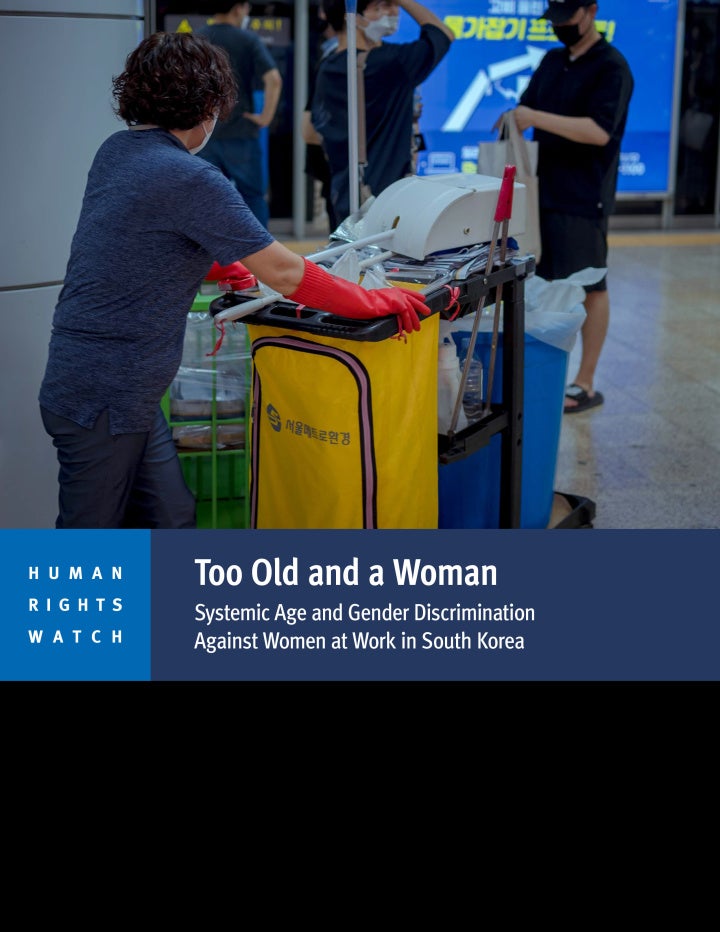
The 92-page report, “Too Old and a Woman: Systemic Age and Gender Discrimination Against Women at Work in South Korea,” documents that social attitudes toward education, unfair treatment in hiring, disrupted careers due to family responsibilities, limited promotion opportunities, glass ceilings, and sexual harassment create a disadvantage for South Korean women throughout their working lives. As women get older, their work opportunities narrow to a handful of low-paid, insecure jobs, and the gender pay gap increases. By the time they are eligible for pensions, women face a significant gender pension gap.
Enforcement of an Islamic Dress Code for Women in Chechnya
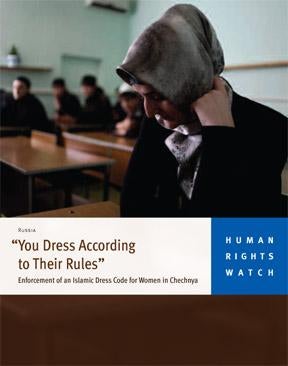
This report documents acts of violence, harassment, and threats against women in Chechnya to intimidate them into wearing a headscarf or dressing more “modestly,” in long skirts and sleeves to cover their limbs. The documented attacks by unidentified men believed to be law enforcement officials took place from June through September 2010 in the center of Grozny, the Chechen capital.
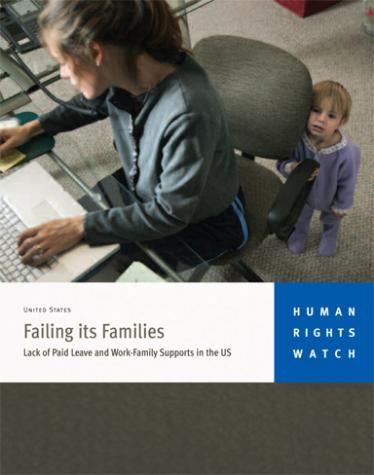
Lack of Paid Leave and Work-Family Supports in the US
This report is based on interviews with 64 parents across the country. It documents the health and financial impact on American workers of having little or no paid family leave after childbirth or adoption, employer reticence to offer breastfeeding support or flexible schedules, and workplace discrimination against new parents, especially mothers.
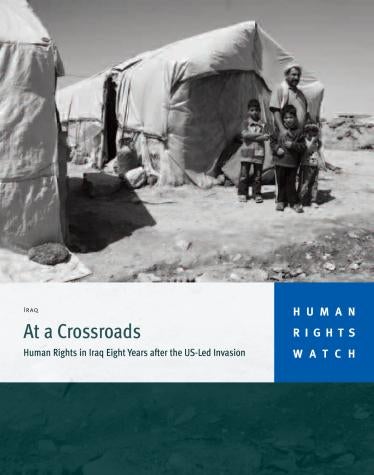
Human Rights in Iraq Eight Years after the US-Led Invasion
This 102-page report calls on the government to protect the rights of vulnerable groups and to amend its penal code and all other laws that discriminate against women and violate freedom of speech. The report also urges Baghdad to open independent and impartial investigations into all allegations of abuse against detainees, minorities, and journalists.
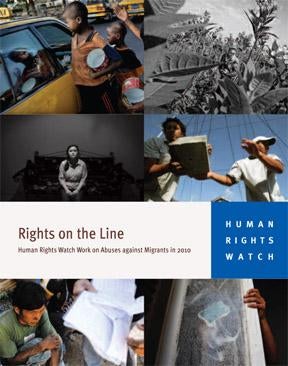
Human Rights Watch Work on Abuses against Migrants in 2010
This roundup of Human Rights Watch reporting on violations of migrants’ rights in 2010 includes coverage of Africa, Asia, Europe, the Middle East, and the United States.
Rights Abuses in Cameroon based on Sexual Orientation and Gender Identity
This 62-page report details how the government uses article 347 bis of the Penal Code to deny basic rights to people perceived to be gay, lesbian, bisexual, or transgender (LGBT). The report describes arrests, beatings by the police, abuses in prison, and a homophobic atmosphere that encourages shunning and abuse in the community.
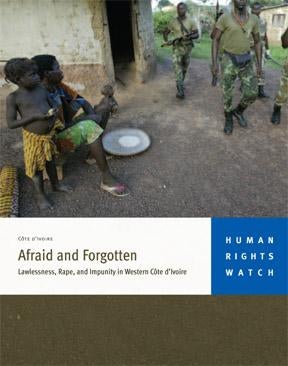
Lawlessness, Rape, and Impunity in Western Côte d’Ivoire
This report documents the often brutal physical and sexual violence in the western administrative regions of Moyen Cavally and Dix-Huit Montagnes. The widespread criminality has been fueled by the disintegration of legal institutions, a failed disarmament process that has left the region awash with arms, and state officials’ refusal to respond to attacks.
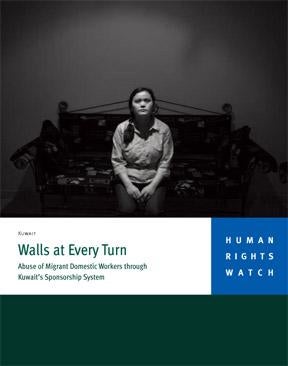
Abuse of Migrant Domestic Workers through Kuwait’s Sponsorship System
This 97-page report describes how workers become trapped in exploitative or abusive employment then face criminal penalties for leaving a job without the employer’s permission. Government authorities arrest workers reported as “absconding” and in most cases deport them from Kuwait – even if they have been abused and seek redress.
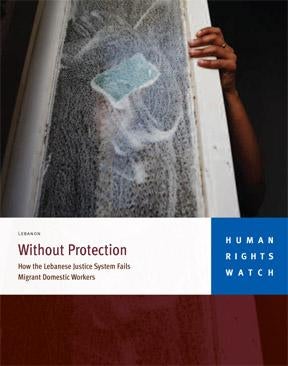
How the Lebanese Justice System Fails Migrant Domestic Workers
This 54-page report reviews 114 Lebanese judicial decisions affecting migrant domestic workers. It finds that lack of accessible complaint mechanisms, lengthy judicial procedures, and restrictive visa policies dissuade many workers from filing or pursuing complaints against their employers.
India’s Need for Sound Standards for Conducting and Interpreting Forensic Examinations of Rape Survivors
This 54-page report documents the continued use of the archaic practice and the continued reliance on the "results" by many defense counsel and courts.
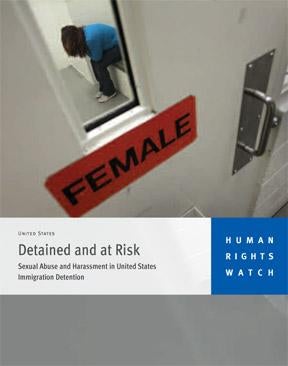
Sexual Abuse and Harassment in United States Immigration Detention
This 24-page report describes documented incidents and allegations of abuse. It also discusses recent proposals by Immigration and Customs Enforcement (ICE) to address the issue. Human Rights Watch emphasized that the agency should make improvements swiftly to improve oversight of the entire detention system and the ensure accountability.
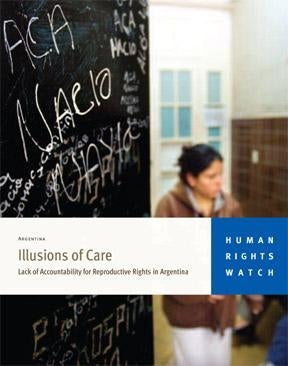
Lack of Accountability for Reproductive Rights in Argentina
This 52-page report documents the many obstacles women and girls face in getting the reproductive health care services to which they are entitled, such as contraception, voluntary sterilization procedures, and abortion after rape.
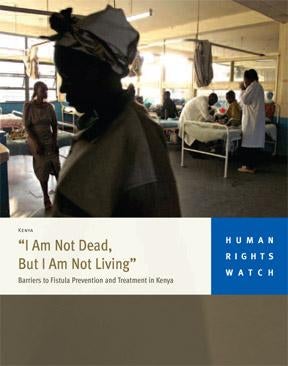
Barriers to Fistula Prevention and Treatment in Kenya
This 82-page report describes the devastating condition facing women with fistula in Kenya and the wide gap between government's policies to address reproductive health and the reality of women's daily lives.
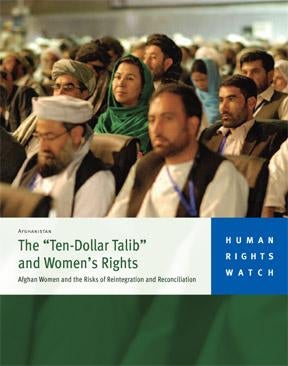
Afghan Women and the Risks of Reintegration and Reconciliation
This 65-page report addresses the potential challenges to women's rights posed by future government agreements with insurgent forces. The report describes how in areas under Taliban control, women are often subjected to threats, intimidation and violence, girls' education is targeted, and women political leaders and activists are attacked and killed with impunity.
A Human Rights Framework for Immigration Reform in the United States
This 24-page report proposes a framework for improving US immigration law that would give immigrant crime victims a chance to seek justice, protect workers, respect the private and family life of longtime residents, and provide fair treatment for immigrants who come before the courts.
This 42-page report collected comprehensive testing data from 127 of 264 jurisdictions in Illinois and found that only 1,474 of 7,494 sets of physical evidence, known as "rape kits," booked into evidence since 1995 could be confirmed as tested. That suggests 80 percent of rape kits may never have been examined in the state.