Reports

How the U Visa Builds Trust, Counters Fear, and Promotes Community Safety

The 50-page report, “‘We Need U’: How the U Visa Builds Trust, Counters Fear, and Promotes Community Safety,” finds that the administration’s deportation policies undermine federal visa programs that provide a pathway for crime victims to obtain legal residency when they cooperate with law enforcement. Changed enforcement guidance, such as allowing Immigration Customs Enforcement (ICE) officials to apprehend people in previously safe places like courthouses and health centers, is a strong deterrent for immigrants who might otherwise report crime to police or seek a protective order.


Federal agents detain a woman exiting an immigration court hearing
A woman looks out of the window of a damaged building

Search

  • June 18, 2009

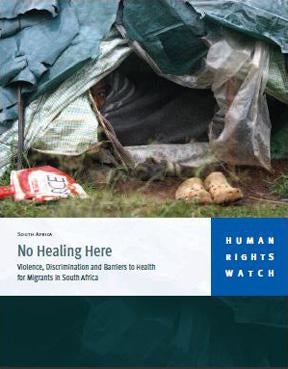
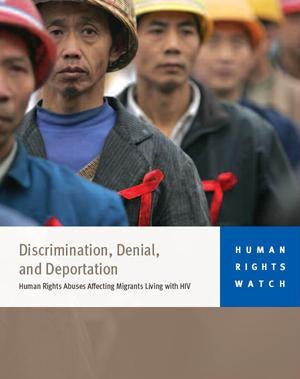
    Human Rights Abuses Affecting Migrants Living with HIV

    This 22-page report describes how discrimination and human rights abuses faced by migrant populations result in increased vulnerability to HIV infection and barriers to care and treatment.

  • May 26, 2009

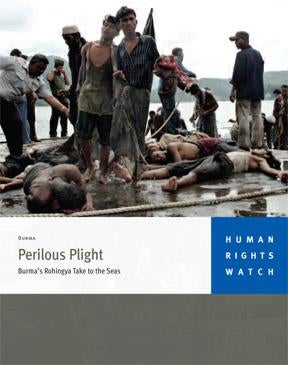
    Burma’s Rohingya Take to the Seas

    This 12-page report examines the causes of the exodus of Rohingya people from Burma and Bangladesh, and their treatment once in flight to Southeast Asian countries. Persecution and human rights violations against the Rohingya inside Burma, especially in Arakan state, have persisted for over 20 years, with insufficient international attention.

  • April 16, 2009

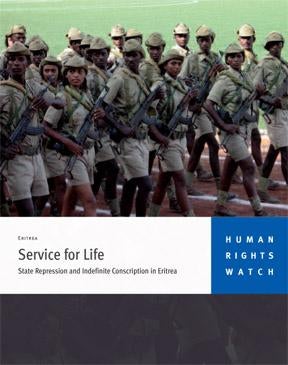
    State Repression and Indefinite Conscription in Eritrea

    This 95-page report documents serious human rights violations by the Eritrean government, including arbitrary arrest, torture, appalling detention conditions, forced labor, and severe restrictions on freedom of movement, expression, and worship. It also analyzes the difficult situation faced by Eritreans who succeed in escaping to other countries such as Libya, Sudan, Egypt, and Italy.

  • March 30, 2009

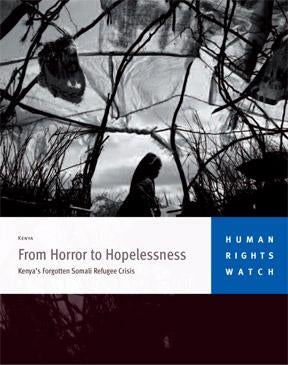
    Kenya’s Forgotten Somali Refugee Crisis

    This 58-page report documents the extortion, detention, violence, and deportation at the hands of the Kenyan police faced by a record number of Somalis entering Kenya. The new refugees are joining over a quarter of a million fellow refugees struggling to survive in camps designed for one-third that number.
  • February 19, 2009

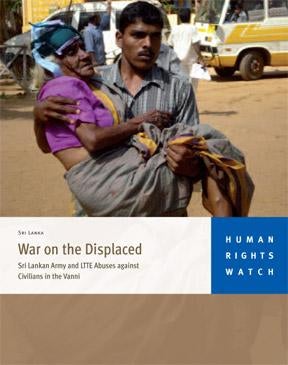
    Sri Lankan Army and LTTE Abuses against Civilians in the Vanni

    This 45-page report is based on a two-week fact-finding mission to northern Sri Lanka in February. The government has prohibited journalists and human rights monitors from going to the battle zone in the Vanni, making access to information difficult.
  • February 11, 2009

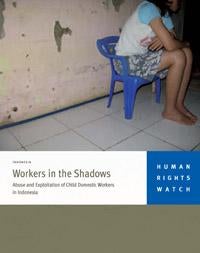
    Abuse and Exploitation of Child Domestic Workers in Indonesia

    This report documents how hundreds of thousands of girls in Indonesia, some as young as 11, are employed as domestic workers in other people’s households, performing tasks such as cooking, cleaning, laundry, and child care. Most girls interviewed for the report worked 14 to 18 hours a day, seven days a week, with no day off. Almost all are grossly underpaid, and some get no salary at all.
  • January 22, 2009

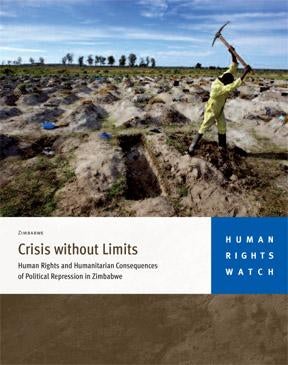
    Human Rights and Humanitarian Consequences of Political Repression in Zimbabwe

    This 33-page report details the Zimbabwean government's responsibility for the country's humanitarian crisis. A cholera epidemic has left over 2,000 Zimbabweans dead and another 39,000 ill. Over 5 million Zimbabweans face severe food shortages and are dependent on international aid.
  • January 21, 2009

    Rights Abuses of Ethnic Khmer in Vietnam’s Mekong Delta

    This report documents ongoing violations of the rights of the Khmer Krom in southern Vietnam and also abuses in Cambodia against Khmer Krom who have fled there for refuge. Wary about possible Khmer Krom nationalist aspirations, Vietnam has suppressed peaceful expressions of dissent and banned Khmer Krom human rights publications.
  • December 23, 2008

    The Plight of Civilians in Sri Lanka’s Vanni Region

    This 49-page report documents the Sri Lankan government's responsibility for the plight of the 230,000 to 300,000 displaced persons trapped in the Vanni conflict zone. They face severe shortages of food and other essentials because of government restrictions on humanitarian assistance.
  • December 22, 2008

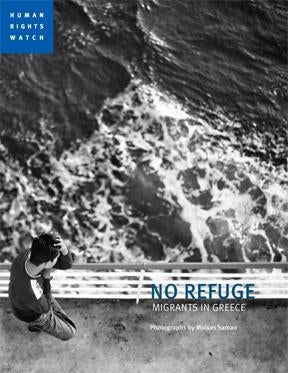
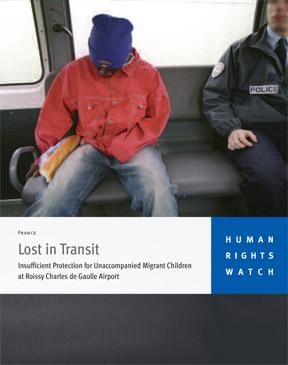
    Systematic Failure to Protect Unaccompanied Migrant Children in Greece

    Some 1,000 unaccompanied migrant children who have entered Greece in 2008 without parents or caregivers struggle to survive without any state assistance, Human Rights Watch said in a new report issued today.
  • December 19, 2008

    This 216-page report focuses on the present-day situation rather than on past abuses. Human Rights Watch documents how Morocco uses a combination of repressive laws, police violence, and unfair trials to punish Sahrawis who advocate peacefully in favor of independence or full self-determination for the disputed Western Sahara.

  • December 8, 2008

    War Crimes and the Devastation of Somalia

    The 104-page report, "So Much to Fear: War Crimes and the Devastation of Somalia," describes how the Somali Transitional Federal Government (TFG), the Ethiopian forces that intervened in Somalia to support it and insurgent forces have committed widespread and serious violations of the laws of war.
  • November 26, 2008

    Iraqis and Other Asylum Seekers and Migrants at the Greece/Turkey Entrance to the European Union

  • November 19, 2008

    The Challenge of Humanitarian Access in Yemen’s Forgotten War

    This 50-page report documents how the Yemeni authorities have severely restricted humanitarian access to its northernmost governorate, Sa’da, ravaged by four years of armed conflict. As of October 2008, up to 70,000 people in remote areas and towns remained outside the reach of aid agencies.
  • November 12, 2008

    Risks to Migrants, Refugees, and Asylum Seekers in Egypt and Israel

    In this 90-page report, Human Rights Watch called on Egypt to halt the use of lethal force against border crossers and all deportations of persons to countries where they risk persecution or ill-treatment. Israel should halt forced returns of migrants to Egypt, where they face military court trials and possible unlawful deportation to their countries of origin.