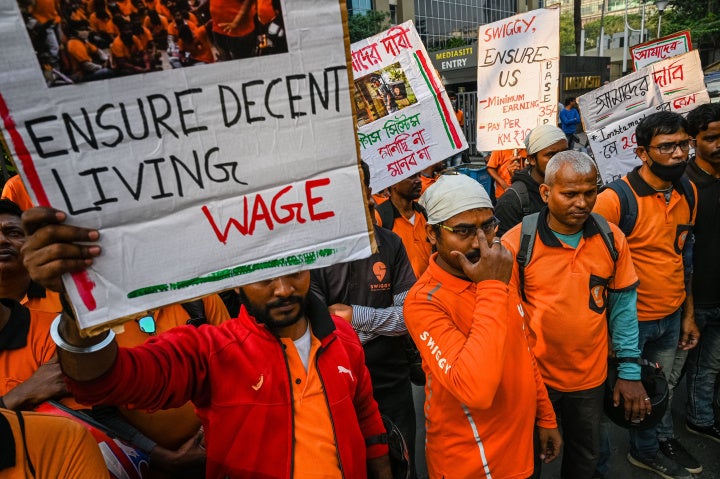
The multimedia report, “Algorithms of Exploitation: Rights Abuses in the Gig Economy and the Global Fight for Change,” documents the experiences of platform workers across nine countries, including India, Kenya, Kuwait, Lebanon, Mexico, Pakistan, Saudi Arabia, the UAE, and the United Kingdom. Human Rights Watch found that workers across all countries studied face low and unstable earnings, unsafe working conditions, and little or no protection when they are injured or unable to work.
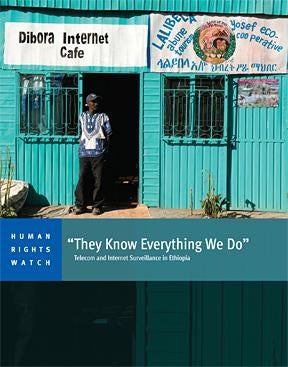
The 137 page report details the technologies the Ethiopian government has acquired from several countries and uses to facilitate surveillance of perceived political opponents inside the country and among the diaspora. The government’s surveillance practices violate the rights to freedom of expression, association, and access to information.
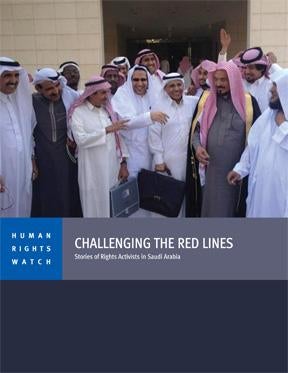
This 48-page report presents the stories of 11 prominent Saudi social and political rights activists and their struggles to resist government efforts to suppress them.
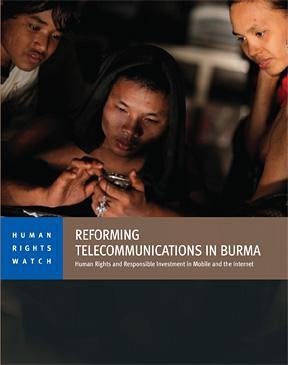
Human Rights and Responsible Investment in Mobile and the Internet
This 24-page report outlines steps necessary to promote adequate protections for Internet and mobile phone users in Burma, and ways to foster responsible investment in Burma’s telecom sector. In January 2013, the Burmese government announced plans to open the country’s telecom sector to foreign investment and is scheduled to award two nationwide licenses to companies by June 27.
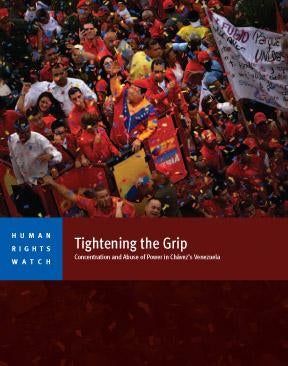
Concentration and Abuse of Power in Chávez's Venezuela
This report documents how the accumulation of power in the executive and the erosion of human rights protections have allowed the Chávez government to intimidate, censor, and prosecute critics and perceived opponents in a wide range of cases involving the judiciary, the media, and civil society.
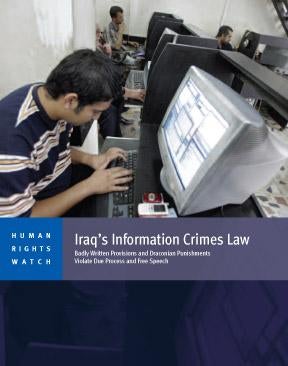
Badly Written Provisions and Draconian Punishments Violate Due Process and Free Speech
This report analyzes Iraq's new draft law on information technology crimes. It finds that the draft law is part of a broad effort by authorities to suppress peaceful dissent by criminalizing legitimate information sharing and networking activities.
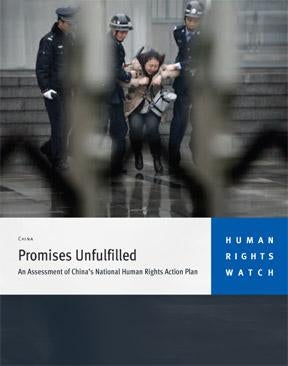
An Assessment of China’s National Human Rights Action Plan
This 67-page report details how despite the Chinese government's progress in protection of some economic and social rights, it has undermined many of the key goals of the National Human Rights Action Plan (NHRAP) by tightening restrictions on rights of expression, association, and assembly over the past two years.
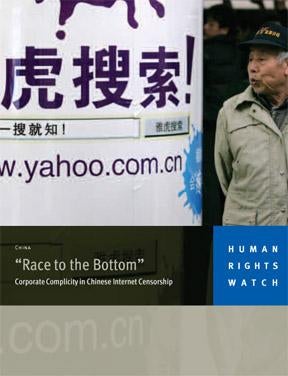
Corporate Complicity in Chinese Internet Censorship
China’s system of Internet censorship and surveillance, popularly known as the “Great Firewall,” is the most advanced in the world. In this 149-page report, Human Rights Watch documents how extensive corporate and private sector cooperation – including by some of the world’s major Internet companies – enables this system of censorship.
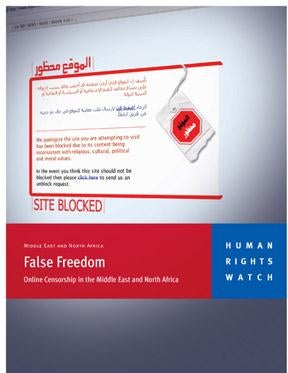
Online Censorship in the Middle East and North Africa
This 144-page report documents online censorship and cases in which Internet users have been detained for their online activities in countries across the region, including Tunisia, Iran, Syria and Egypt.
As the Internet industry continues to expand in China, the government continues to tighten controls on on-line expression. Since 1995, when Chinese authorities began permitting commercial Internet accounts, at least sixty sets of regulations have been issued aimed at controlling Internet content.