Systemic Age and Gender Discrimination Against Women at Work in South Korea
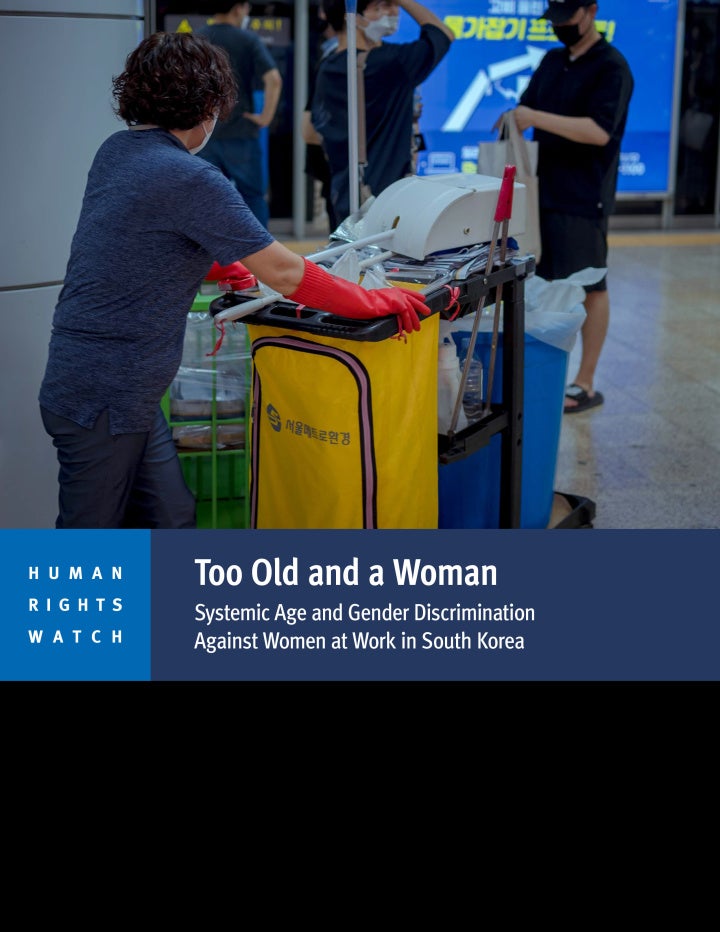
The 92-page report, “Too Old and a Woman: Systemic Age and Gender Discrimination Against Women at Work in South Korea,” documents that social attitudes toward education, unfair treatment in hiring, disrupted careers due to family responsibilities, limited promotion opportunities, glass ceilings, and sexual harassment create a disadvantage for South Korean women throughout their working lives. As women get older, their work opportunities narrow to a handful of low-paid, insecure jobs, and the gender pay gap increases. By the time they are eligible for pensions, women face a significant gender pension gap.
This document is based on dozens of interviews with women candidates and election workers during the past month. Human Rights Watch details the challenges confronting Afghanistan’s 582 women candidates, who make up approximately 10 percent of the total 5,800 candidates.
Abuse and Exploitation of Child Domestic Workers in Indonesia
This 74-page report documents how Indonesian children as young as 12 work 14 to 18 hours a day, seven days a week, without a day off. They are also forbidden from leaving their place of employment or contacting their families.
Women’s Access to Contraceptives and Abortion in Argentina
Decisions about contraception and abortion are difficult, deeply personal, and sometimes wrenching. In Argentina, women are routinely prevented from making such decisions.
This briefing paper documents how the Sudanese security forces, including police deployed to protect displaced persons, and allied Janjaweed militias continue to commit rape and sexual violence on daily basis.
Governments around the world have done far too little to combat the entrenched, chronic abuses of women’s and girls’ human rights that put them at risk of HIV. Misguided HIV/AIDS programs and policies, such as those emphasizing abstinence until marriage, ignore the brutal realities many women and girls face.
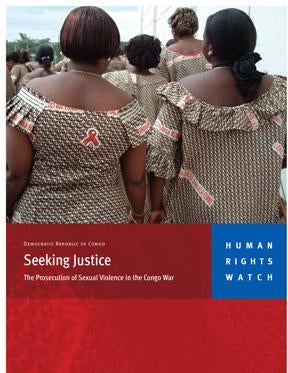
The Prosecution of Sexual Violence in the Congo War
This 52-page report documents how the government of the Democratic Republic of Congo has taken insufficient steps to prosecute those responsible for wartime rape. Human Rights Watch calls on the Congolese government and international donors, including the European Union, to take urgent steps to reform Congo’s justice system.
Since February 2003, Darfur has been the scene of massive crimes against civilians of particular ethnicities in the context of an internal conflict between the Sudanese government and a rebel insurgency. Almost two million people have been forcibly displaced and stripped of all their property and tens of thousands of people have been killed, raped or assaulted.
This 62-page report documents serious human rights abuses stemming from discriminatory family laws that have resulted in a divorce system that affords separate and unequal treatment to men and women.
On October 6 the European Commission will publish its 2004 Regular Report on Turkey’s progress toward European Union membership. This document provides a background, highlights key issues to look for in the report, and ends with an assessment of the progress of reforms.
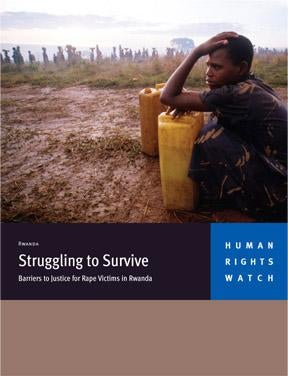
This 58-page report investigates the persistent weaknesses in the Rwandan legal system that hamper the investigation and prosecution of sexual violence. The report also documents the desperate health and economic situation of rape survivors. Many of the women who were raped became infected with HIV.
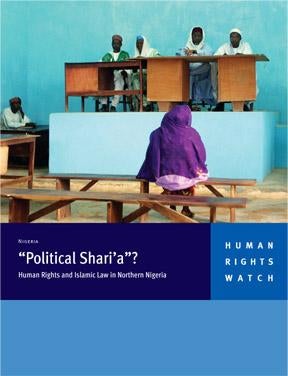
This 111-page report documents human rights violations since Shari’a was introduced to cover criminal law in 12 northern states. Since 2000, at least 10 people have been sentenced to death and dozens sentenced to amputation and floggings. The majority have been tried without legal representation. Many sentenced to amputation were convicted on confessions extracted under torture by the police.
Abuses against Female Migrant Domestic Workers in Indonesia and Malaysia
This 110-page report documents the abuse and exploitation that Indonesian female domestic workers experience at each step of the migration process. Most domestic workers are forbidden to leave their workplace and unknown numbers suffer psychological, physical, and sexual assault by labor agents and employers.
Exploitation and Abuse of Migrant Workers in Saudi Arabia
Migrant workers in the purportedly modern society that Saudi Arabia has become continue to suffer extreme forms of labor exploitation that sometimes rise to slavery-like conditions. Their lives are further complicated by deeply rooted gender, religious, and racial discrimination.
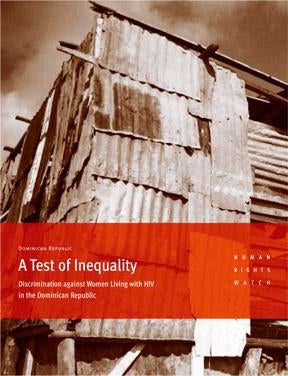
Discrimination against Women Living with HIV in the Dominican Republic
Women in the Dominican Republic are routinely subjected to involuntary HIV testing, and those who test positive are fired and denied adequate healthcare. This 50-page report documents the human rights violations women living with HIV suffer in the public health system as well as in the workplace.