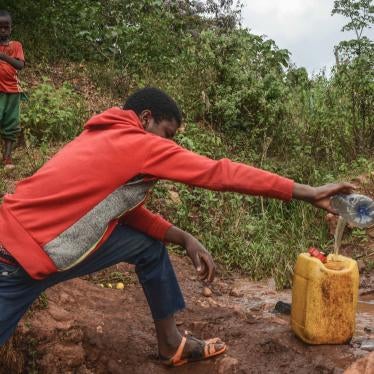
“The company’s chemicals have contaminated our land, water, and people,” 28-year-old “Elizabeth” recently told Kontomaa Darimu Alliance, an Ethiopian nongovernmental organization. Elizabeth’s 2-year-old son died a few years ago and she suffered miscarriages in 2024 and 2025; she believes the mine is to blame.
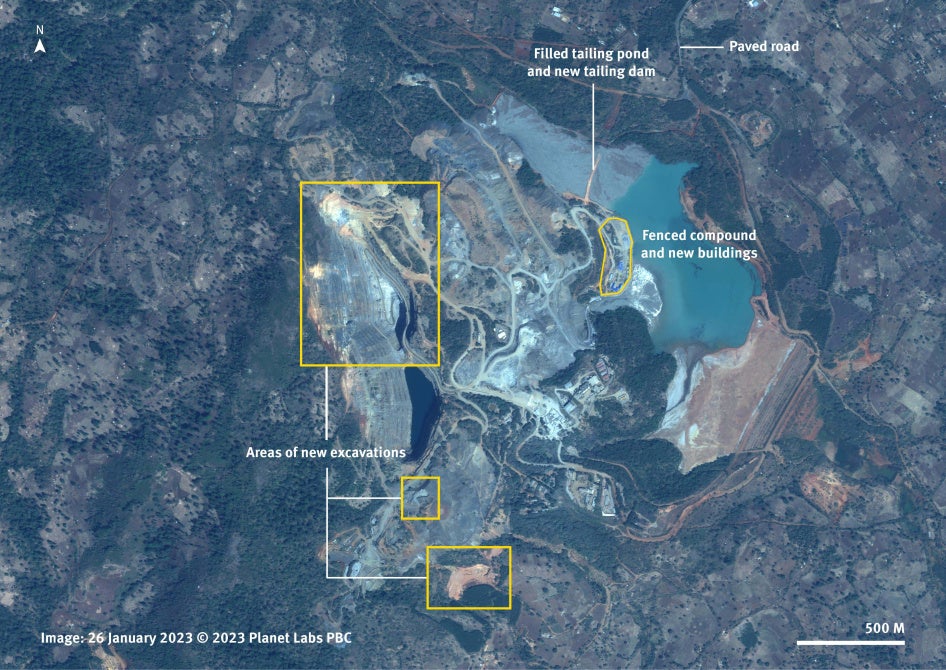
Residents living near Lega Dembi mine, located in Ethiopia’s Oromia region, have complained of serious health impacts for years, including miscarriages, stillbirths, and children born with long-term health conditions. Several studies have found high concentrations of toxic heavy metals and other chemicals, including cadmium, mercury, lead, and arsenic, near the mine.
A recent decision by the United Nations Committee on the Rights of the Child could bring hope to residents. In February, the committee called on the Ethiopian government to “urgently and effectively” resolve the mine’s “social, health and environmental effects on children.” It urged the government to pay compensation, rehabilitate affected children, and create an “independent mechanism for transparency and accountability from the mining company.”
In 2018, following large-scale demonstrations, the Ethiopian government closed the mine, promising to reopen it only after environmental concerns had been addressed. The government signed an—unpublished—memorandum of understanding with the global company operating the mine, Midroc Investment Group, and reopened the mine in 2021. Midroc stated in a 2023 letter to Human Rights Watch that it had taken steps to address the mine’s impacts, including paying compensation to victims, improving cyanide waste management, and providing clean drinking water.
But local residents have continued to report ill-health and miscarriages since the mine reopened. A new report by Kontomaa Darimu Alliance with powerful accounts from 2025 includes shocking cases of children’s ill-health and deaths, as well as stillbirths. Residents also say they have to drink water from Midroc’s tailings dams because there is insufficient clean drinking water.
In response to Human Rights Watch questions, Midroc denied that there were any human rights impacts resulting from its operations, stating that its monitoring system found the contaminants to be in the “allowable range of international standards,” and highlighting its recent certification under the International Cyanide Management Code. Midroc also said it constructed a hospital, and that the drinking water provided was sufficient.
The findings of the UN committee and the Kontomaa Darimu Alliance should prompt the Ethiopian government to finally tackle the pollution at the mine fully and transparently. The families of Lega Dembi have waited long enough.