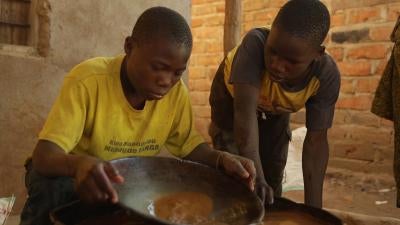
The United Nations Minamata Convention on Mercury, which went into effect on August 16, 2017, could benefit millions of people affected by toxic mercury.
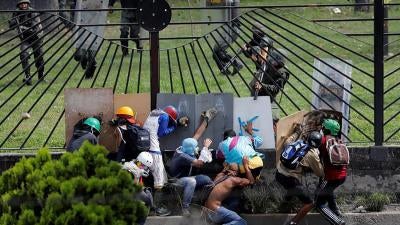
The scale and brutality of violent repression by Venezuelan security forces is evident in video footage shot in recent months, Human Rights Watch said in a multimedia piece released today.
Flawed and inadequate procedures leave unaccompanied migrant children on the Greek island of Lesbos housed with unrelated adults, vulnerable to abuse, and unable to access the specific care they need.
Russia has introduced significant restrictions to online speech and invasive surveillance of online activity and prosecutes critics under the guise of fighting extremism.
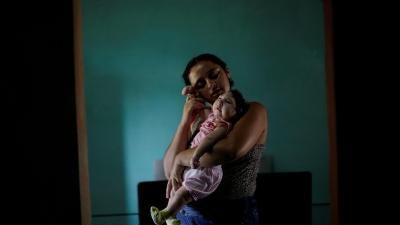
Brazil has not addressed longstanding human rights problems that allowed the Zika outbreak to escalate, leaving the population vulnerable to future outbreaks and other serious public health risks.
The Mental Health Authority of Ghana has taken steps to release 16 people, including two girls, held in shackles at Nyakumasi Prayer Camp, a spiritual healing center in the Central Region.
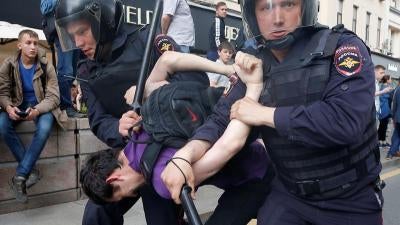
Russian police arbitrarily detained hundreds of people during peaceful protests on June 12, 2017, in Moscow and St. Petersburg. Human Rights Watch interviewed more than a dozen people detained during the protests.
Bangladesh law enforcement authorities have illegally detained hundreds of people since 2013, including scores of opposition activists, and held them in secret detention.
Armed groups in the Central African Republic have killed civilians with wholesale impunity, spurring more violence in the war-torn country. The Special Criminal Court (SCC), a new judicial body that, when operational, will investigate and prosecute grave human rights violations and war crimes in the country since 2003.