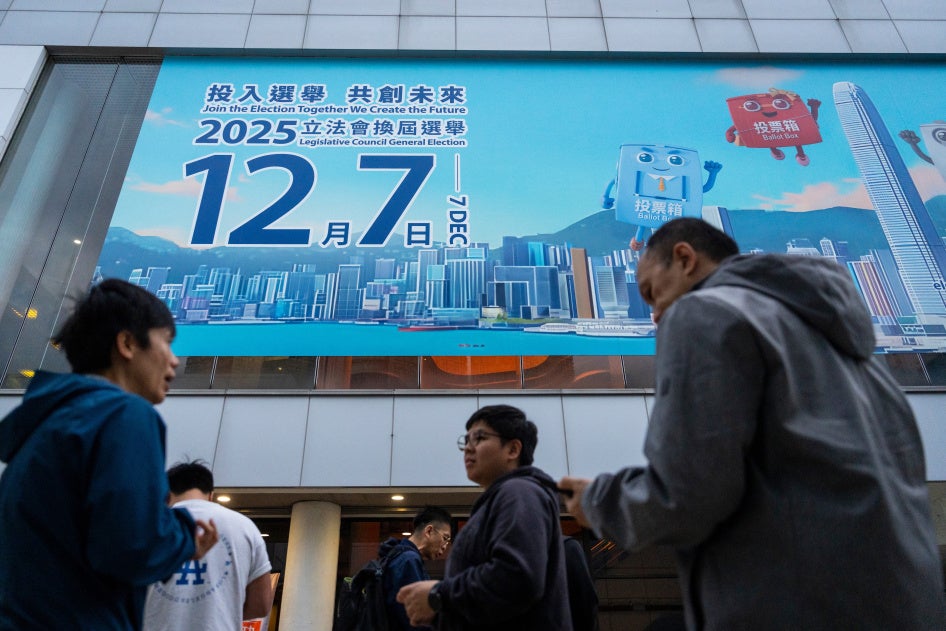
Hong Kong will hold elections for its Legislative Council on December 7, without a single pro-democracy candidate. The Chinese government’s attempts to present the legislature, known as the LegCo, as legitimate hardly fool anyone. Many Hongkongers quietly boycotted the previous election in 2021, resulting in record-low turnout.
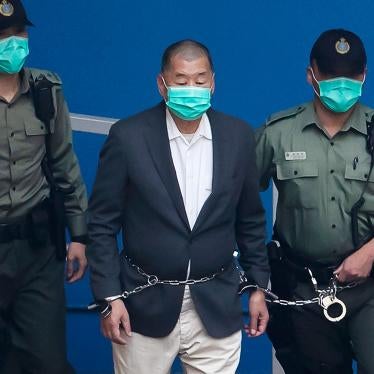
Five years into its sweeping crackdown, Beijing has seized full control of the LegCo. It revised laws to ensure that only Chinese Communist Party loyalists could run, cut directly elected seats from 35 to 20 out of 90, disqualified elected pro-democracy lawmakers, and imprisoned dozens of leaders of the city’s pro-democracy movement. Pro-democracy parties have disbanded. The last active group, the League of Social Democrats, folded in June.
But eradicating the entire pro-democracy camp was evidently not sufficient. Days before the candidacy deadline, at least 22 veteran pro-Beijing lawmakers announced that they would not seek re-election. Analysts contend Beijing engineered this shake-up to install figures even more loyal to the party. Indeed, the LegCo now has a growing number of mainland officials with deep ties to the Chinese government but scant knowledge of Hong Kong. It is little wonder that election debates—which used to be highly spirited—appear as hollow and stilted as the election itself.
Hong Kong authorities are cracking down on those poking holes in the facade. Authorities arrested at least eight people for “inciting” others not to vote. In November, a national security judge sentenced a woman to one year in prison for promoting the Hong Kong Parliament, a diaspora-led initiative to establish an unofficial democratic legislature outside China.
Beijing may think that the LegCo is now a smashing success. During its current term, it approved 130 bills while rejecting only one, which would have given rights to some same-sex couples. Public hearings have dropped by 80 percent.
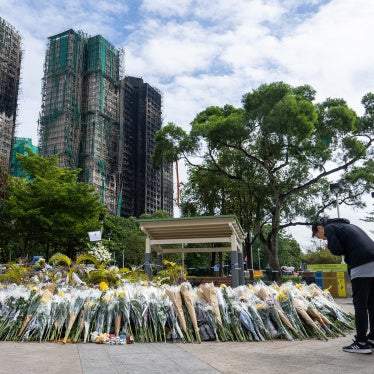
But a government that cannot tolerate genuine discussion and debate undermines its own legitimacy. The recent, devastating Tai Po fire, which has raised concerns of government negligence, shows that the lack of democratic institutions carries real costs—in lives but also in effective governance. Demands for government accountability following the fire appears to be making Beijing jittery. But instead of increasing repression in Hong Kong at considerable cost, the Chinese government should act to restore the openness that once defined Hong Kong’s vibrant and prosperous society.