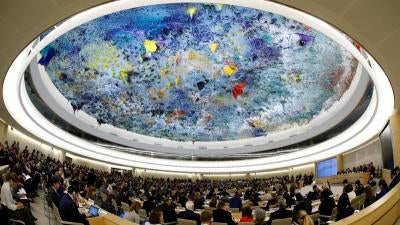
Laila Matar delivers a statement on behalf of Human Rights Watch, Amnesty International, Earthjustice and the Center for International Environmental Law (CIEL) at the United Nations Human Rights Council in Geneva, Switzerland on March 05, 2018.
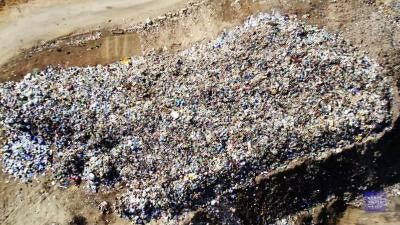
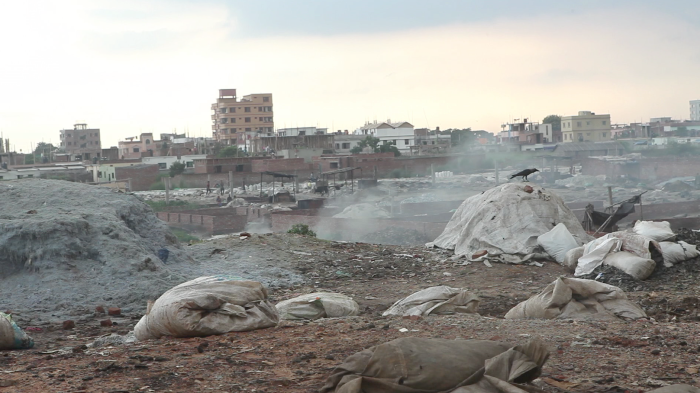
People living near open burning said they were unable to spend time outside, had difficulty sleeping because of air pollution, or had to vacate their homes when burning was taking place.
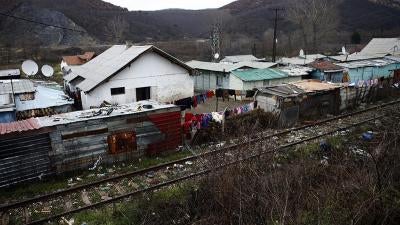
The United Nations’ failure to compensate victims of widespread lead poisoning at UN-run camps in Kosovo has left affected families struggling to care for sick relatives who were exposed to the contamination.
The rise of populist leaders in the United States and Europe poses a dangerous threat to basic rights protections while encouraging abuse by autocrats around the world.
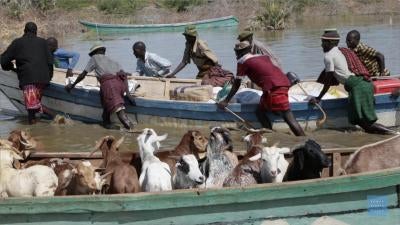
Climate change and regional development projects are threatening the health and livelihood of indigenous peoples in the Turkana region of northwest Kenya.
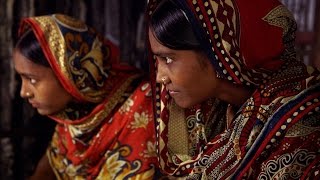
The Bangladesh government is yet to take sufficient steps to end child marriage, in spite of promises to do so. Instead, in steps in the wrong direction, after her July 2014 pledge to end child marriage by 2041, Bangladesh Prime Minister Sheikh Hasina attempted to lower the age of marriage for girls from 18 to 16 years old, raising serious doubts about her commitment.
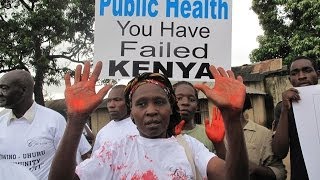
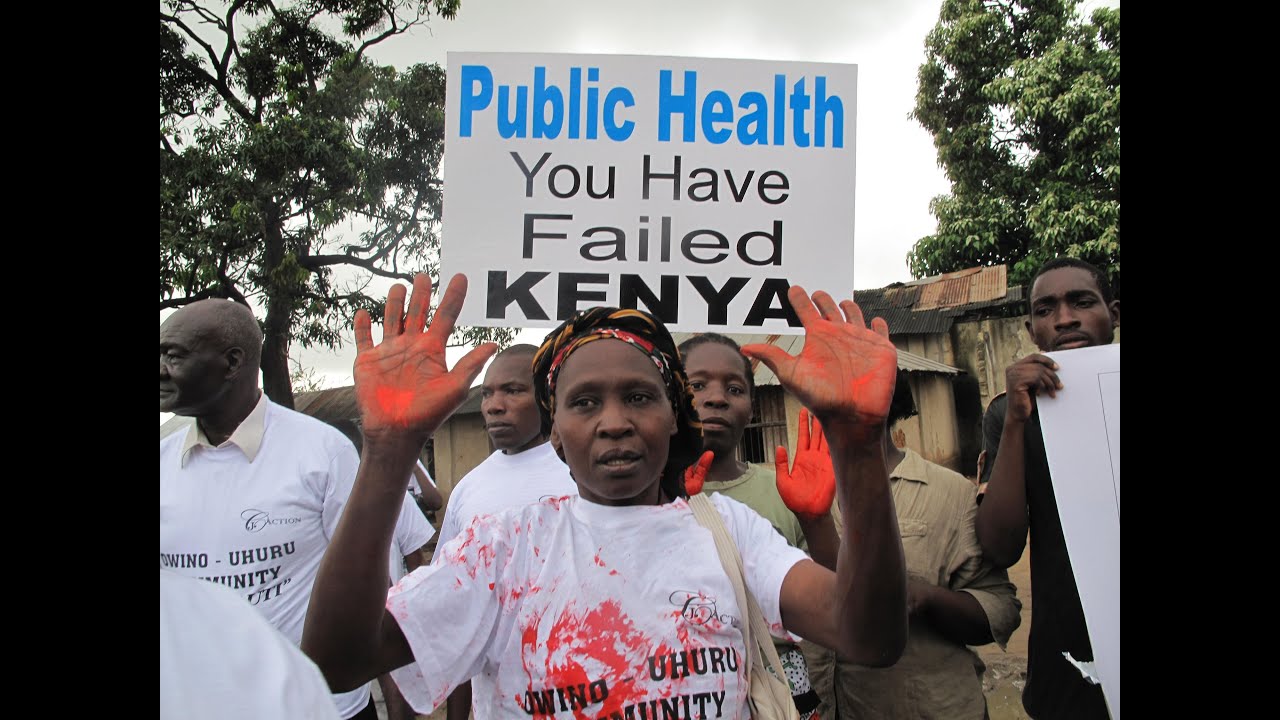
Thousands of people in a poor urban district outside Mombasa face serious health consequences from toxic lead from a battery recycling plant. The crisis is the result of the Kenyan government’s failure to adequately regulate the lead smelter in the Owino Uhuru district.