


September 9, 2026
Uncontrolled Burn
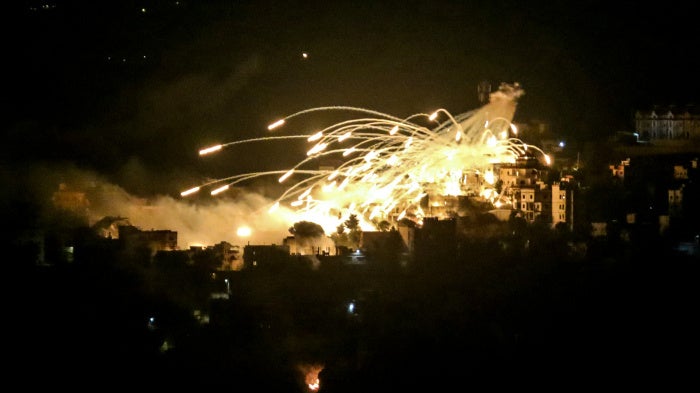
The Inhumane Effects of White Phosphorus Munitions and the Need for Stronger Law
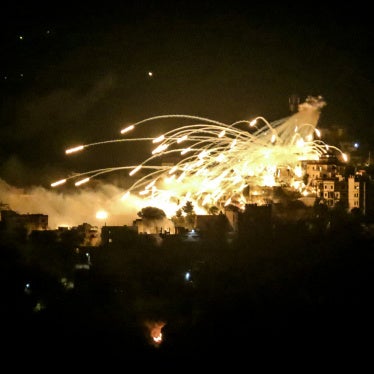
Many urgent arms-related challenges need be addressed to protect civilians affected by conflict and its deadly legacy. Antipersonnel landmines and cluster munitions have been prohibited outright due to their inherently indiscriminate and lasting effect on civilians yet continued advocacy and monitoring is needed to ensure these treaties gain universal support and are fully implemented. The use of artillery projectiles, rockets, mortars, missiles, air-delivered bombs and other explosive weapons in populated areas is causing foreseeable harm to civilians and the infrastructure they depend on to live, study, and work. Incendiary weapons, including white phosphorus, inflict painful and cruel injuries, yet they continue to be used. The development of autonomous weapons systems—“killer robots”—that could select and engage targets without human intervention needs to be prohibited and regulated through new international law to prevent a future of warfare and policing outside of human control and responsibility. The Arms Program of the Crisis, Conflict and Arms Division advances humanitarian disarmament, enhancing protections for civilians from various weapons that inflict unacceptable harm, including by strengthening international treaties and legal norms.
The Inhumane Effects of White Phosphorus Munitions and the Need for Stronger Law
Accountability, New Approach Needed to Protect Human Rights

Principles for Implementing the Declaration on Explosive Weapons in Populated Areas

Indiscriminate Strikes Add to Record of War Crimes

Opening Statement by Deborah Brown Deputy Director, Technology and Human Rights, Human Rights Watch
New Global Report Highlights Rising Civilian Casualties

States Poised to Push for Negotiations in November

Statement by Human Rights Watch Delivered by Bonnie Docherty

Massive Rise in Civilian Casualties Amid Use of Widely Banned Weapon

US Congress Should Block the Request
France Should Suspend Arms Deliveries to the UAE and Support European Sanctions
Delivered by Gerry Simpson, Senior Advisor
A Background Briefing for the UN Informal Exchanges in June 2026
Accession Amid Conflict Strengthens Global Opposition to Antipersonnel Mines