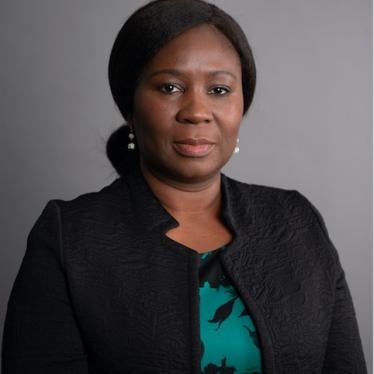
Women resident, Division
Voiced by and actor
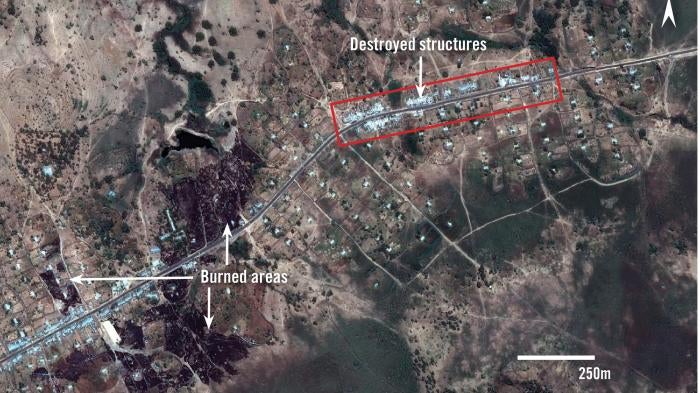
“The Dansha mayor… he kept telling us that we need to move, that we don’t belong to stay here.”
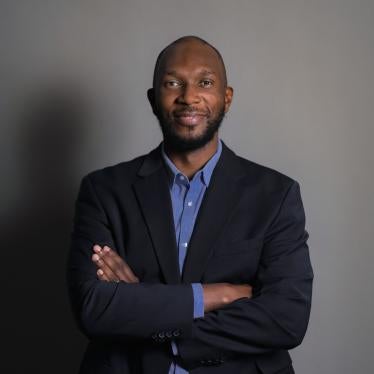
Man, Farmer, Division
Voiced by and actor
“They took all my cattle, burned my sorghum (crops) and house, and told us this is not our region. They said our land is east of the Tekeze River.”
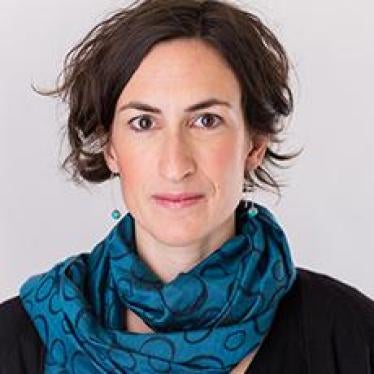
Woman resident, Baeker
Voiced by and actor
“They kept saying every night… ‘We will kill you. Go out. Go out of the area.”
Warning
This video contains violent and disturbing events.
Viewer discretion advised.
TEXT ON SCREEN
In early November 2020, conflict broke out between the Ethiopian military and regional security forces from the country’s northern Tigray region.
Voice Over
The fighting followed years of growing tensions between the Ethiopian federal government, led by Prime Minister Abiy Ahmed and leaders of Tigray’s ruling political party.
Government forces were soon joined by security forces from the Amhara region, which neighbors Tigray, as well as soldiers from the country of Eritrea.
The conflict has resulted in numerous abuses on both sides and millions of people displaced.
TEXT ON SCREEN
Individuals responsible for war crimes and crimes against humanity in the conflict should be fairly prosecuted.
Voice Over
Initially, heavy fighting between the Ethiopian military with their allies against Tigrayan fighters took place around Western Tigray.
Electricity, banking, and telecommunications, including the internet and phone lines to Tigray were cut off.
Residents described heavy shelling and gunfire as Ethiopian and allied forces entered their towns.
Man, Animal trader, Adebai
Voiced by and actor
“When the Ethiopian and Amhara forces entered the town, people were panicked and began running to the farms. They started killing people, no warning just shooting. They shot at people running.”
Voice Over
Soon, an interim administration for Western Tigray, was established by forces from the neighboring Amhara region. An administration hostile to the presence of Tigrayans.
Man, Farmer, Ruwassa
Voiced by and actor
“Papers said Tigrayans need to leave the town immediately. They were thrown everywhere, so when we woke up in the morning, you would see it on your door, or on the way to church, everywhere.”
Woman, Hairdresser, Dansha
Voiced by and actor
“I was in Dansha town where I have a hair dressing shop. Six militia came to loot my shop. Two of them raped me. They said ‘You Tigrayan, you should disappear from the land west of Tekeze. You are evil and we are purifying your blood.’”
Man, Farmer, Division
Voiced by and actor
“In the first 2 months of their control, they looted everything in the town. All the crops, they took our cows, we had nothing to eat, everything we had was taken.”
Woman resident, Humera
Voiced by and actor
“The militia would even write on the houses that belonged to Tigrayans. This is ours; this is Amhara house. They told us not to speak in Tigrinya.”
Voice Over
Meanwhile, as reports of atrocities became widespread, Ethiopian authorities limited access to Western Tigray for international journalists, and human rights and humanitarian groups.
Text on screen
Humanitarian organizations should have immediate and independent access to Tigray, including to all detention facilities.
Voice Over
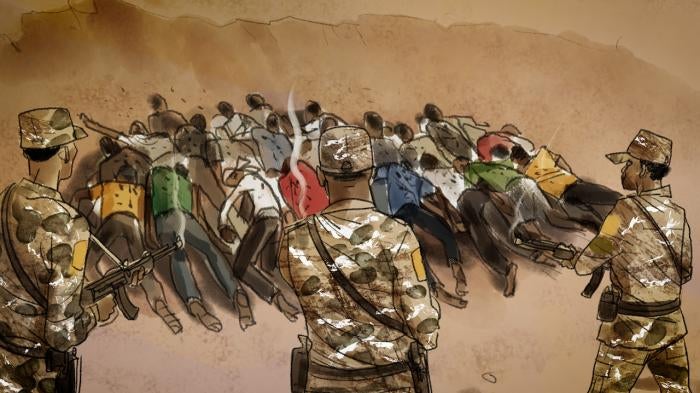
In Adi Goshu town in January 2021, Amhara special forces and militias rounded up around 60 residents, transported them to the Tekeze bridge and shot them.
Man, Survivor, Adi Goshua
Voiced by and actor
“The Amhara Special Forces told us to disembark… They lined us up in rows, cocked their guns and sprayed us with bullets. We fell in the ditch below. After that, they said… ‘the Tigrayans don’t die easily. Shoot again.’”
Voice Over
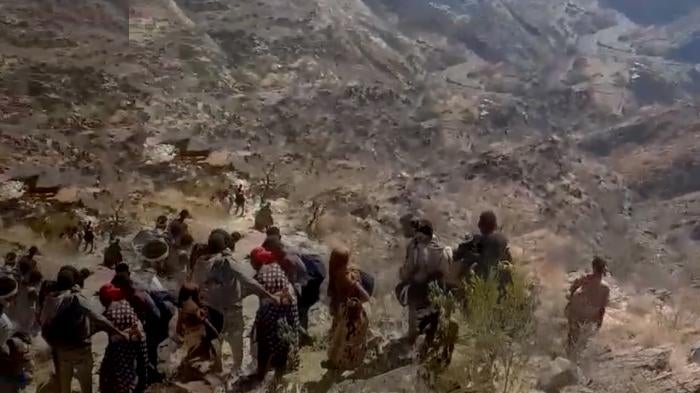
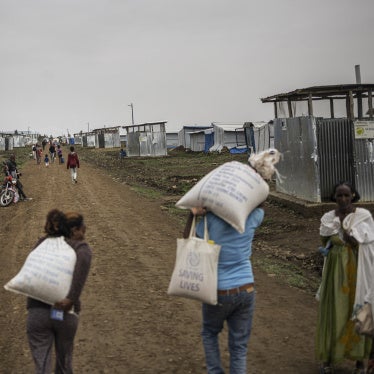
As abuses in Western Tigray continued, hundreds of thousands of Tigrayans were forced to flee their homes. Some fled to Sudan, while many more were forcibly displaced to other parts of Tigray in a brutal ethnic cleansing campaign.
Text on screen
Ethiopia’s federal and regional authorities have dismissed allegations of acts of ethnic cleansing and human rights violations in Western Tigray.
Woman, Beer Seller, May Humer
Voiced by and actor
“After seeing this and other incidents, I thought: What are we expecting? Are we waiting for them to kill all of us? Why don’t we cross the Tekeze River while we still have our lives?”
Text on screen
Throughout this conflict, thousands of Tigrayans have been arbitrarily arrested and imprisoned.
In June 2021, Ethiopian and allied forces withdrew from much of Tigray, but not Western Tigray.
Detentions of Tigrayans in Western Tigray escalated.
Man, Manual worker, Humera
Voiced by and actor
“We couldn't access the toilets; they didn't give us any food or water. A lot of people were falling ill. There were some people that died from torture. They tie your hands and feet, they hit you in your testicles, your head, your chest, all of us went through it.”
Voice Over
Tigrayans in Western Tigray continue to be subjected to torture, arbitrary detention, and other grave human rights abuses.
Man, Farmer, Sheglil
Voiced by and actor
“All I want is peace. All I want to do is to be able to speak Tigrinya freely, my mother tongue. I am a beekeeper, and all I want to do is work.”
Text on screen
The ethnic cleansing of Tigrayans from Western Tigray, which began in November 2020, needs to stop.
All communities in Western Tigray need protection.
Safe conditions should be established to allow Tigrayans to voluntarily return to their homes.