


October 14, 2025
Tax Giveaways, Struggling Schools
How Low Taxes Drove Sri Lanka’s Economic Crisis and Squandered its Education Lead

Human rights in Sri Lanka remain at risk from security forces who commit abuses with impunity, and an economic crisis that has reduced the living standards of millions. Since President Anura Kumara Dissanayake came to office in 2024, his government has attempted to stabilize the economy, but made little progress implementing commitments to address longstanding rights concerns. Victims of past abuses, their families, and human rights defenders face threats and harassment from security agencies, particularly in the north and east, where state officials also engaged in land rights violations and suppressed religious freedom. The authorities have failed to advance accountability for widespread war crimes committed during the 1983-2009 civil war. In 2025, the United Nations Human Rights Council renewed a mandate for the UN to collect evidence of gross violations of international human rights and humanitarian law for future prosecutions. The United Kingdom, the United States and Canada have imposed targeted sanctions on military leaders accused of civil war-era crimes.

How Low Taxes Drove Sri Lanka’s Economic Crisis and Squandered its Education Lead
Sri Lanka’s Proposed Truth and Reconciliation Commission
Sri Lanka’s Failure to Reform the Prevention of Terrorism Act
Blocking Accountability for Grave Abuses in Sri Lanka
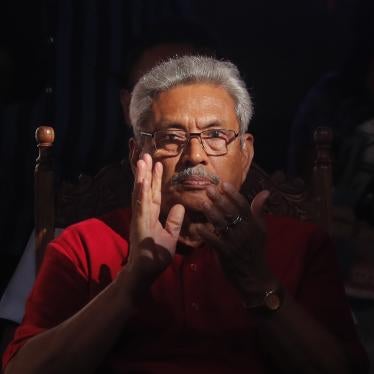

Lead to Underfunding Education, Other Key Public Services

International Accountability Remains Vital While Justice is Denied

Human Rights Watch Event - UN Human Rights Council 60th Session

Tens of thousands of civilians died amid Sri Lanka’s defeat of separatists in 2009. Some Israeli military strategists see it as a campaign to be emulated.

HRW Oral Statement - ID on the HC report on Sri Lanka - HRC60

UN Human Rights Council Should Monitor Repression, Counterterrorism Law Abuses

Addressing Past and Ongoing Human Rights Abuses
UN Human Rights Council Should Adopt Resolution that Promotes Accountability