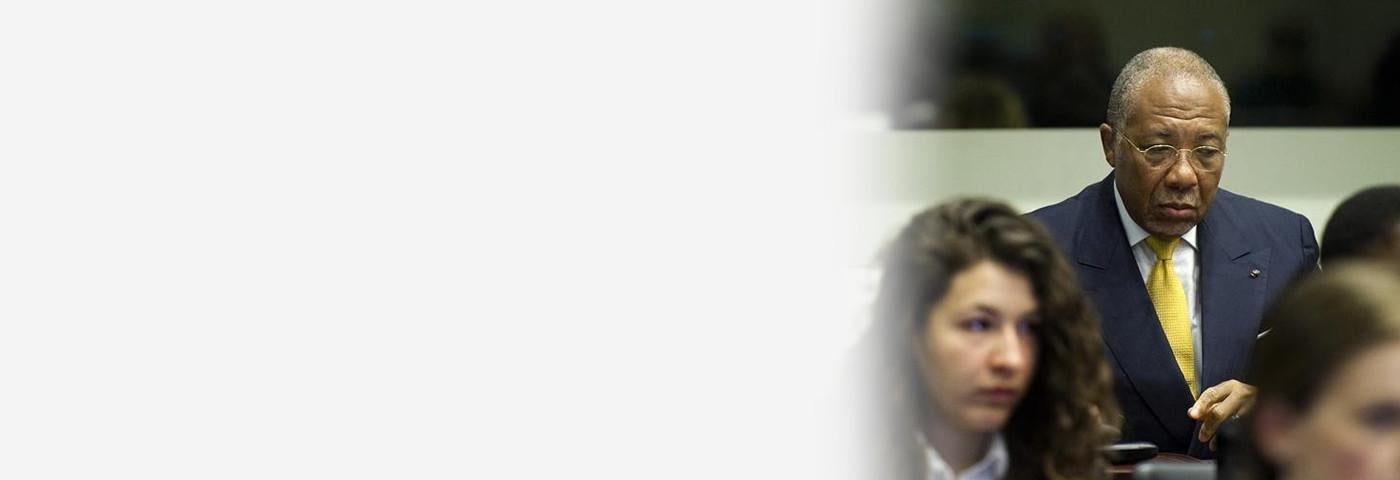

• On April 26, 2012, Charles Taylor, the former president of Liberia, became the only former head of state since Nuremberg to be convicted for war crimes or crimes against humanity by an international or hybrid international-national tribunal for his role in fueling neighboring Sierra Leone’s armed conflict.

    Taylor’s trial and the issuance of a judgment in a credible judicial process send a strong signal that the world has become a less hospitable place for the highest-level leaders who are accused of committing serious crimes in violation of international law.

    Charles Taylor became president of Liberia on August 2, 1997 after years of civil war and an election in which there was an implicit threat that Taylor would resume the war unless he was elected. During the war in Sierra Leone, which killed tens of thousands of civilians, Taylor was implicated in supporting the brutal rebel groups the Revolutionary United Front (RUF) and the RUF/Armed Forces Revolutionary Council (AFRC) alliance, which killed, raped, and cut off the limbs of thousands of people. They also forcibly recruited thousands of child soldiers. Taylor allegedly supported the groups by trading diamonds for arms, allowing them to continue terrorizing civilians.

    The Special Court indicted Taylor on March 7, 2003 for serious crimes committed during the Sierra Leone conflict. After years of enjoying safe haven in Nigeria, he was apprehended in March 2006 and transferred to The Hague for trial at the Special Court for Sierra Leone in June 2006.

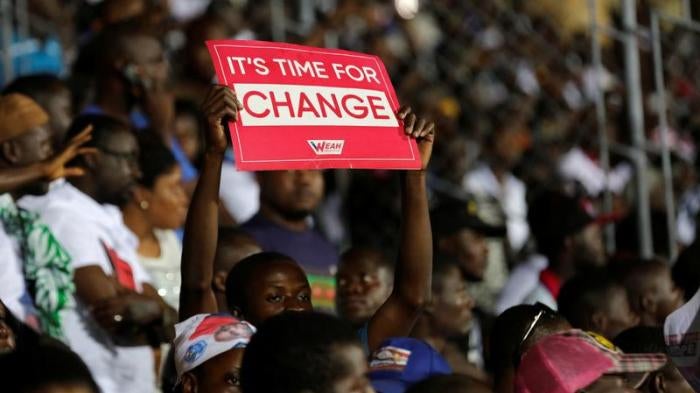
  • Street vendor watches live broadcast of verdict being delivered by United Nations-backed court in the Hague convicting former Liberian president Charles Taylor in Freetown.

    The conviction on April 26, 2012, of Charles Taylor, the former president of Liberia, for serious international crimes during Sierra Leone’s brutal armed conflict provides justice for victims and shows that no one is above the law. Taylor was convicted of war crimes and crimes against humanity before the United Nations-backed Special Court for Sierra Leone on charges that stemmed from his support for rebel groups there.

Reports

Charles Taylor

  • Jul 25, 2012

    The trial of the former Liberian President Charles Taylor for war crimes and crimes against humanity during Sierra Leone’s armed conflict was a largely well-run proceeding, Human Rights Watch said in a report released today. The trial benefitted from a high-quality defense, sound handling of witnesses, and dynamic outreach to communities affected by the crimes. At the same time, Human Rights Watch’s analysis identified areas in which practice should be improved for future trials of the highest-level suspects before domestic, international, and hybrid war crimes tribunals.


  • May 30, 2012

    The sentencing of Charles Taylor to 50 years in prison on May 30, 2012 by the Special Court for Sierra Leone is a landmark in ensuring justice for the victims of Sierra Leone's brutal armed conflict, Human Rights Watch said today.


  • May 15, 2012

    Liberia's "big man" surely thought he'd enjoy a comfortable retirement when he left power back in 2003. But on April 26 the Special Court for Sierra Leone convicted Charles Taylor for war crimes and crimes against humanity, proving that even the most powerful aren't immune from justice

  • May 10, 2012

    Should Vladimir Putin be studying the conviction of Charles Taylor, the former Liberian president? What about Henry Kissinger? The verdict marked the first time since the post–World War II Nuremberg trials that a former head of state has been convicted by an international tribunal of war crimes and crimes against humanity. What may be of more lasting significance, however, is that Taylor was not convicted for oppressing his own people—though he did that as well—but for his material support to abusive forces in another country. In that respect, the decision speaks not just to tinpot dictators but to leaders of countries who fight proxy wars by knowingly giving client states or rebel allies the means to commit atrocities. 

  • Apr 26, 2012

    The verdict against former Liberian President Charles Taylor at the Sierra Leone Special Court has been eagerly anticipated by many in Sierra Leone. But, as is often the case with abusive leaders wielding power, bringing Taylor to justice was once considered a less than welcome development in diplomatic circles. More than a few feared at that time that bringing charges against a sitting president in the midst of a conflict would do more harm than good.

  • Apr 26, 2012

    The conviction on April 26, 2012, of Charles Taylor, the former president of Liberia, for serious international crimes during Sierra Leone’s brutal armed conflict provides justice for victims and shows that no one is above the law. Taylor was convicted of war crimes and crimes against humanity before the United Nations-backed Special Court for Sierra Leone on charges that stemmed from his support for rebel groups there.

  • Apr 23, 2012
  • Apr 16, 2012
    The Special Court indicted Taylor on March 7, 2003 on 17 counts of war crimes, crimes against humanity, and other serious violations of international law for his role in supporting Sierra Leonean rebel groups during that country’s armed conflict. The Taylor judgment will be a watershed moment for efforts to hold the highest-level leaders to account through a credible judicial process.
  • Apr 11, 2012
  • Jun 17, 2007
    The challenges judges need to rise to in trying war-crimes cases fairly and efficiently were evident at the opening of the trial of Charles Taylor, the former president of Liberia. But the significance of a trial of a former head of state associated with horrendous crimes shouldn't be obscured because the proceedings didn't open without a hitch.