
US Election and Human Rights

The 2016 US presidential election has generated a great deal of debate on human rights issues—from torture to paid family leave, immigration to policing—on which Human Rights Watch has been working for years. Our experts examine some of the key issues being debated, as well as others that should be top priorities for President-elect Donald Trump.
The US’s Faltering Leadership on Encryption
One year ago today, more than 100,000 people signed a petition asking the Obama administration to publicly support strong encryption and encourage governments around the world to follow suit.
With just weeks left in his term in office, President Obama has failed to act, leaving a dangerous vacuum in leadership on encryption globally, which the next president must fill.
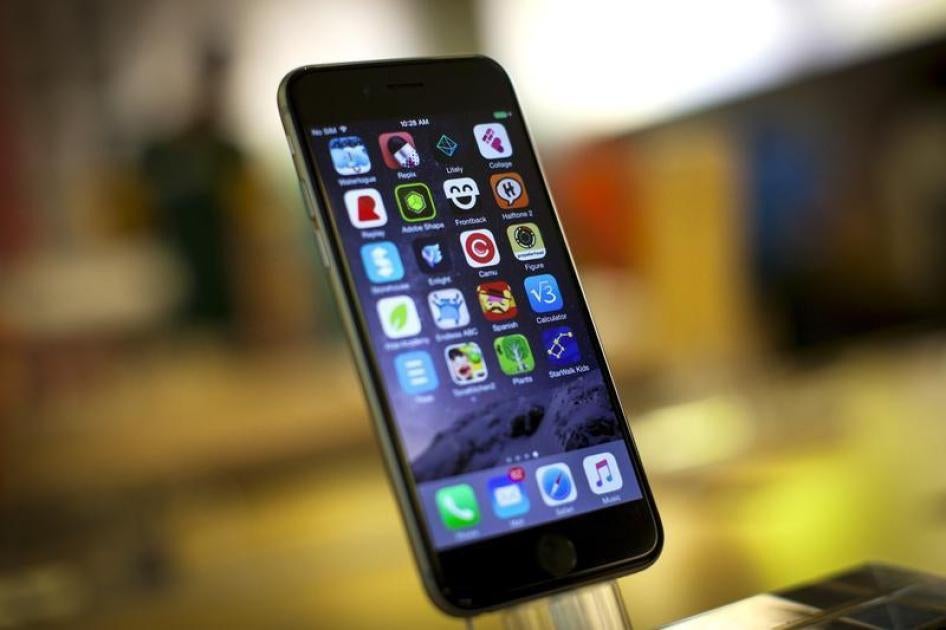
Human rights defenders, journalists, and hundreds of millions of ordinary Internet users rely on encryption to shield them from surveillance and cybercriminals. To protect users, companies like Apple and WhatsApp have begun to roll out encryption on their services so that even the companies cannot access our data.
For two years, the Federal Bureau of Investigation (FBI) has demonized these companies, arguing that the encryption protections have made it more difficult to investigate terrorism and other serious crimes. The FBI wants access to all encrypted messages, even if that means forcing tech firms to build so-called “back doors” into encryption that weaken cybersecurity for all users. While the Obama administration announced in 2015 it would not call for legislation requiring what the FBI sought, the issue erupted again when a US judge ordered Apple to hack an encrypted iPhone in February 2016.
Though the FBI was eventually able to access the phone’s data without Apple’s help, the case was followed closely worldwide. France, Germany, China, Russia, Brazil, and India are among the many states who are considering their approach to encryption, and the US’s position will set an important global precedent.
Both presidential candidates have raised the issue of encryption, but the details of their positions – and their implications for both privacy and security – are far from clear. Donald Trump criticized Apple for refusing the FBI’s demand and called for a boycott of their products. He has also stated that the US should “clos[e] parts of the Internet” used by ISIS, and “penetrate the Internet” to gather intelligence about the group. Trump has not explained how he would accomplish these goals.
Hillary Clinton rejects a false choice between privacy interests and keeping Americans safe,” and supports creating a “national commission on digital security and encryption.” She previously stated that she wouldn’t legally compel companies to build back doors, but called for a “Manhattan-like project” with the tech sector to find a solution. She has also proposed an “intelligence surge” to bolster counterterrorism efforts, and wants Internet companies to cooperate in monitoring social media.
The next president should not ignore the near-unanimous agreement among digital security experts that encryption back doors weaken cybersecurity while failing to keep encryption out of the hands of determined criminals. Instead, he or she should bolster the US’s leadership on digital rights and promote strong encryption worldwide.
Farmworker Children and Nicotine Exposure: Time for a Ban
Every year in the United States, children face danger working on tobacco farms, including nicotine poisoning, pesticide exposure, heat illness, and injuries. But you wouldn’t know that from the current presidential contest, where the long-standing need to address the issue of hazardous child labor has barely registered with the candidates.
It’s a straightforward issue President Barack Obama has failed to address, and one that the next US president should make a priority.
Many voters would be surprised to learn that US labor law allows children as young as 12, and sometimes even younger, to work long hours as hired farm laborers.
My colleagues and I have documented the hazards these children face – pesticide exposure, heat stroke, and injuries from using sharp tools and dangerous machinery or lifting heavy loads. Children working on tobacco farms face the added risk of nicotine exposure. When child workers handle tobacco plants, they absorb nicotine through their skin. Many children suffer nausea, vomiting, headaches, and dizziness while they work – symptoms consistent with acute nicotine poisoning. The long-term effects of the poisoning have not been studied, but research on smoking suggests nicotine exposure in childhood and adolescence may have lasting impacts on brain development.
The American Academy of Pediatrics has called for prohibiting children under 18 from work on tobacco farms because of the risk of nicotine exposure.
The Obama administration had the chance to fix this problem. In 2011, the US Department of Labor introduced new regulations that would have banned work on tobacco farms. But the administration withdrew the regulations after backlash from agricultural lobbying groups, in what the Washington Post editorial board called a “pathetic retreat.”
Earlier this week, 47 members of Congress, led by Representative David Cicilline (D-RI), wrote a letter to President Obama urging the administration to ban child labor in tobacco fields before the end of his term. Representative Cicilline and Senator Dick Durbin (D-IL) introduced legislation in 2015 calling for a ban.
There is clear evidence and positive momentum in Washington to protect child workers from nicotine exposure. Our next president should act swiftly to end child labor in tobacco farming.
Affirming and Expanding LGBT Rights
Lesbian, gay, bisexual, and transgender people (LGBT) have made notable gains in the United States in recent years, including the removal of discriminatory restrictions on military service, establishment of non-discrimination protections for federal workers and contractors, and the recognition of a constitutional right to marry. During the current election campaign, both Hillary Clinton and Donald Trump have pledged to be advocates for LGBT people if elected president. However, neither candidate has been quizzed on LGBT rights during the debates, and they should be – important issues are at stake.
The next administration will have the power to extend or reverse the Obama Administration’s executive actions on LGBT rights, including non-discrimination protections for federal workers and contractors and a host of regulations protecting transgender people in employment, housing, healthcare, and public accommodations. As Human Rights Watch has documented, federal protections are important to safeguard the rights of transgender youth in US schools and to end abuses against transgender women in US immigration detention.
The next president can also play a role in securing passage of key legislative proposals pending in Congress, including the Equality Act that would prohibit discrimination on the basis of sexual orientation and gender identity in employment, education, housing, public accommodations, credit, and jury selection; bills to halt bullying and discrimination against LGBT youth; and legislation to support LGBT-inclusive comprehensive sexuality education.
The presidency provides a powerful platform to discuss issues that affect LGBT communities in the US and abroad. Candidates should indicate whether and how they plan to tackle the high rates of homelessness among LGBT youth, take steps to end so-called “conversion therapy,” advance legal gender recognition procedures for transgender people, address high rates of violence against transgender women of color, make HIV/AIDS prevention, treatment, and care accessible and affordable for all, and better integrate LGBT human rights into US foreign policy.
A great deal remains to be done on LGBT rights, and candidates should be asked to explain how they will ensure that progress continues.
Addressing the Pervasiveness of Sexual Assault
The issue of sexual assault has suddenly been pushed to the center of the US election – but the discussion has still been light on how to deal with the scourge of sexual assault in the US.
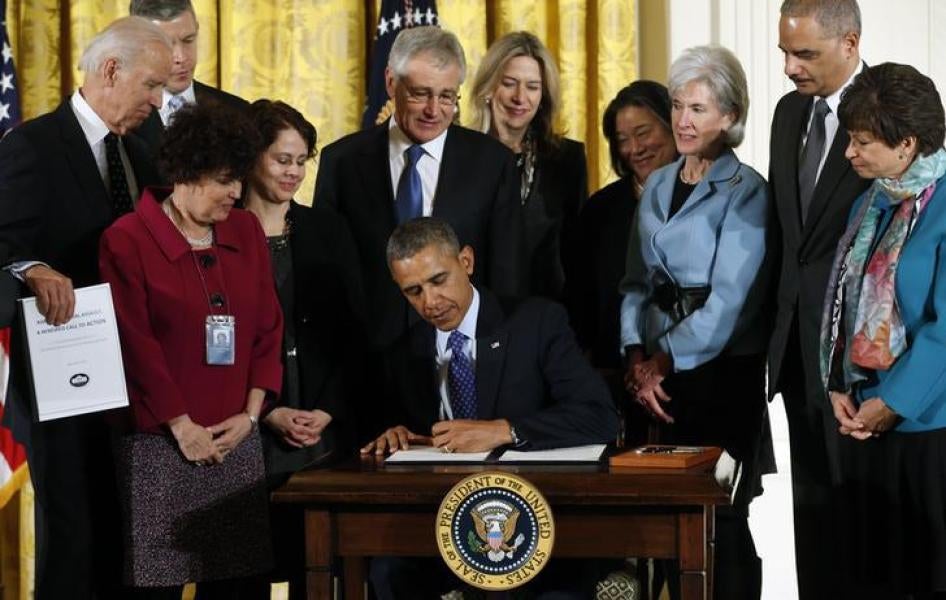
The scope of the issue is immense. Someone is sexually assaulted every two minutes in the US. Most female survivors of sexual assault experience short- or long-term symptoms of post-traumatic stress disorder. The White House has taken some steps, particularly with regard to campus sexual assault and the large number of untested rape kits across the country.
But the next president will still have a lot to tackle. Tens of thousands of rape kits remain untested; more than ten years after the passage of the Prison Rape Elimination Act, at least 80,000 inmates are sexually assaulted each year; thousands of service members are raped in the military every year and are often retaliated against for reporting their assaults; at least one in five women are sexually assaulted in college; and the vast majority of assailants never face consequences.
Our research has shown that many survivors are not listened to, their credibility is challenged, and they are often re-traumatized by dealings with police. So, it’s not surprising most survivors decide not to go to police – nearly two thirds of rapes are not reported. Law enforcement and other first responders should take steps to encourage and support survivors so sexual assault will no longer be the most underreported violent crime in the country.
Change is possible. In 2011, Los Angeles eliminated its rape kit backlog two years after Human Rights Watch drew attention to what was then the largest known rape kit backlog in the county; in 2014, the DC Council passed legislation to improve how the city’s police department handles sexual assault cases and treats survivors.
It would be helpful to hear from both Hillary Clinton and Donald Trump about plans to lower rates of sexual assault in the US and improve government and law enforcement responses to survivors.
The next administration should support measures that require proper documentation of assault cases; aim to change the culture of police departments, the military, and college campuses; and treat survivors with sensitivity, compassion, and respect. This should be a high priority for the next president; too many survivors have already been shamed, silenced, or ignored.
Who Can’t Vote on November Eighth
There are millions of adult Americans who will not have the right to cast a ballot in the upcoming US election.
Those who cannot vote due to a criminal conviction: 6.1 million adults have had their voting rights revoked due to a criminal conviction. In the US, most people who have been convicted of a crime and completed their sentence don’t get have their rights fully restored. They keep being punished, what some deem a form of “civil death,” which includes being denied the right to vote – in some states for life. One in three of those 6.1 million people are Black Americans. One in five Black Americans in Kentucky, Maine, and Virginia have been disenfranchised. In Kentucky (as in Florida and Iowa), that disenfranchisement is for life.
Those who cannot vote due to restrictive voting laws: In the aftermath of a US Supreme Court decision that weakened the US Voting Rights Act, 14 states have made it more difficult to register to vote, including passing voter identification laws and limiting early voting – restrictions that some courts have identified as purposefully suppressing the vote of Black Americans.
In addition, more than two million unauthorized immigrants have lived in the US for 20 years or more, but still have virtually no way to legalize their status, become citizens, and vote. More than 728,000 unauthorized immigrants who came to the US as children and have lived in the US for at least five years are eligible under a program established by President Barack Obama to stay and work legally in the country – but without a path to citizenship, and no right to vote.
These groups all have one thing in common. Those who cannot vote in November, for one reason or another, are disproportionately Black or Latino. Whoever takes the reins of US government in November should work to end unreasonable restrictions on voting rights.
Finishing the Unfinished Business of Guantanamo
On his first full day in office in 2009, US President Barack Obama signed an executive order to close the military detention facility at Guantanamo Bay within one year. But, eight years later, with less than four months till the end of Obama’s second term, the prison is still open and 61 detainees remain, the vast majority held without charge.
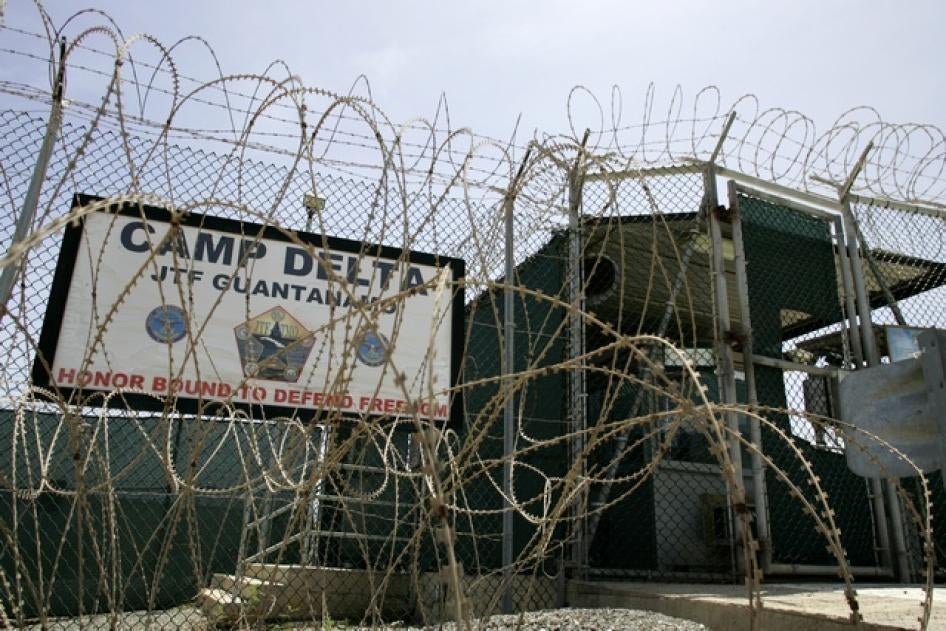
Guantanamo has been a blight on the US reputation for years and stands as a global symbol of injustice. Despite that, the two major party presidential candidates have scarcely mentioned it during the campaign, nor have they or their running mates been asked about it during the debates.
Obama submitted a plan for closing the Guantanamo detention facility to Congress in February. The plan calls for the prosecution of some detainees in federal court rather than before military commissions, while allowing for the transfer of some to US soil for continued detention. Human Rights Watch supports transferring detainees to the US for trial in federal courts because the military commission system at Guantanamo does not meet international fair trial standards – but we oppose the continued detention of prisoners without trial.
The incarceration of those without charge at Guantanamo violates international legal prohibitions on prolonged, indefinite detention. The next president has the obligation to end this practice, whether at Guantanamo or in the US. The remaining 61 Guantanamo detainees who are not being prosecuted in federal courts should be released to home or third countries.
Ending the Dark Chapter on Torture
Following the September 11, 2001 attacks, the United States government implemented a program of state-sanctioned torture with which it has still not properly reckoned. Debate moderators would do well to ask candidates in the US presidential election where they stand on the use of torture and how they intend to address past abuses.
In 2014, the Senate Intelligence Committee released the summary of a still classified report describing the Central Intelligence Agency’s detention and interrogation program, through which scores of men apprehended in the “global war on terror” were tortured and otherwise mistreated in secret detention sites around the world. But, while the US has prosecuted some individuals – albeit insufficiently – for torturing detainees in US military custody, it has not prosecuted anyone in connection with the CIA torture program, and no redress has been provided to the victims.
Early in the campaign Donald Trump said that if elected, he would “immediately” resume waterboarding and other “much worse” techniques. In March, he acknowledged that waterboarding is illegal and said that he would not order the US military to engage in proscribed acts. He soon added that he would work to change the law.
Hillary Clinton has said that if she becomes president, “the United States will not condone or practice torture anywhere in the world.” She also said that torture does not work, based on “lots of empirical evidence” and statements from intelligence, military, and law enforcement experts.

Torture is a serious violation of US and international law, and during armed conflict is a war crime. Moreover, the use of torture is an unreliable means of gathering useful intelligence according to professional interrogators, became a recruiting tool for terrorist organizations, and destroys the lives of those affected by it. The US practice of torture has undercut its efforts to work with other countries and communities to tackle the problem of terrorism.
For the US to genuinely end its dark chapter on torture, it needs to fulfill its obligations under international law to investigate and appropriately prosecute those responsible for torture and provide redress to victims. Trump has said nothing publicly on the issues of prosecutions or redress for past torture and would seemingly oppose both. Clinton has said that she does not support criminally prosecuting those “who were doing what they were told to do,” and does not appear to have addressed the issue of redress for victims.
The failure of successive US administrations to hold those responsible for CIA torture to account increases the danger that a future president will authorize similar illegal interrogation methods in response to an inevitable serious security threat.
Listening to Victims of Military Sexual Assault
Donald Trump described sexual assault in the military as a “massive problem.” While defending a controversial tweet he posted on the issue, he noted that in United States military sexual assault cases, “nobody gets prosecuted.” For her part, Hillary Clinton promises “aggressively combating” military sexual assault.
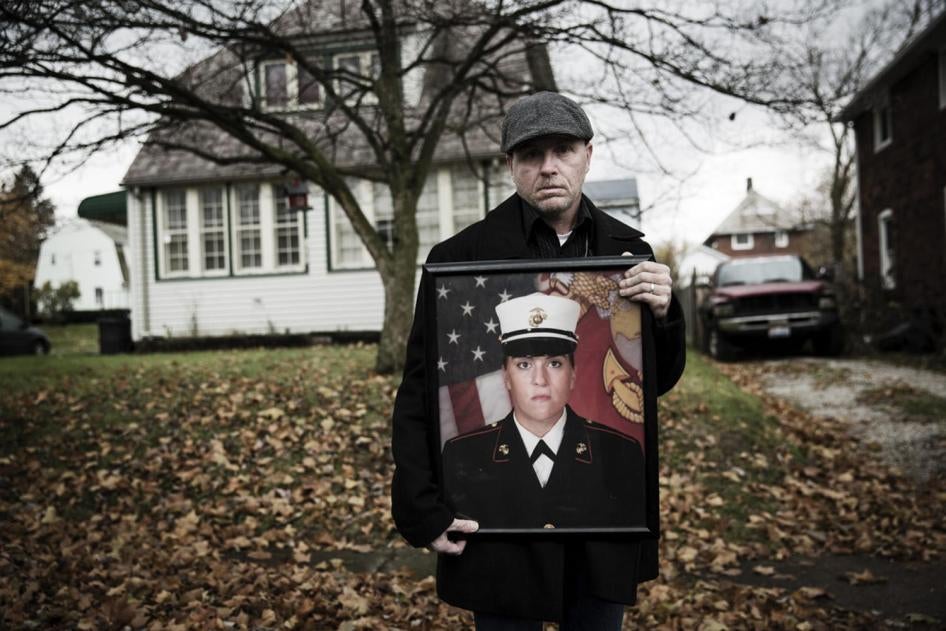
Both candidates would benefit from hearing directly from victims of military sexual assault. When I began researching the issue for Human Rights Watch three years ago, I was surprised to learn that for most victims, the rape itself was not the worst thing – the aftermath was far worse. In interviews with 163 survivors, I heard harrowing tales of retaliation against victims who reported rape. For many, their military service ended with an involuntary, less-than-fully honorable discharge, or one that labeled them “mentally ill,” contributing to further stigma.
These designations have a profound impact on victims’ lives. These survivors, now out of the military, have to show their discharge papers to employers, schools, banks in certain cases, veterans service providers – even for something as seemingly mundane as discounts at a gym or special license plates. Only honorably or generally discharged veterans are entitled to most Veterans Administration services, such as health care or homeless shelter services. Employers ask for discharge records and, as the military itself warns, often resist hiring veterans who were not discharged honorably.

Victims have to constantly explain their papers to strangers, reliving their rape over and over, even years later. Changing military records through understaffed military administrative bodies is an uphill battle with little likelihood of success or even meaningful review.
The US government has done little to help those who were unfairly kicked out of military service after reporting a rape. Given the high stakes, Clinton and Trump should support measures to correct wrongful discharges of sexual assault survivors and strengthen administrative mechanisms to ensure that all veterans have an opportunity to be heard and receive meaningful, independent review of their cases. Survivors of sexual assault in the military who lost their careers should not have to live with the life sentence of a bad discharge.
How the US Talks About Immigrants and Crime
The United States election has been marked by heated debate on unauthorized immigrants and the extent to which they contribute to crime in this country.
Donald Trump has repeatedly called for the immediate deportation of immigrants with criminal convictions as well as increased immigration enforcement, which he says is necessary to keep out terrorists and dangerous criminals and to keep US citizens safe.
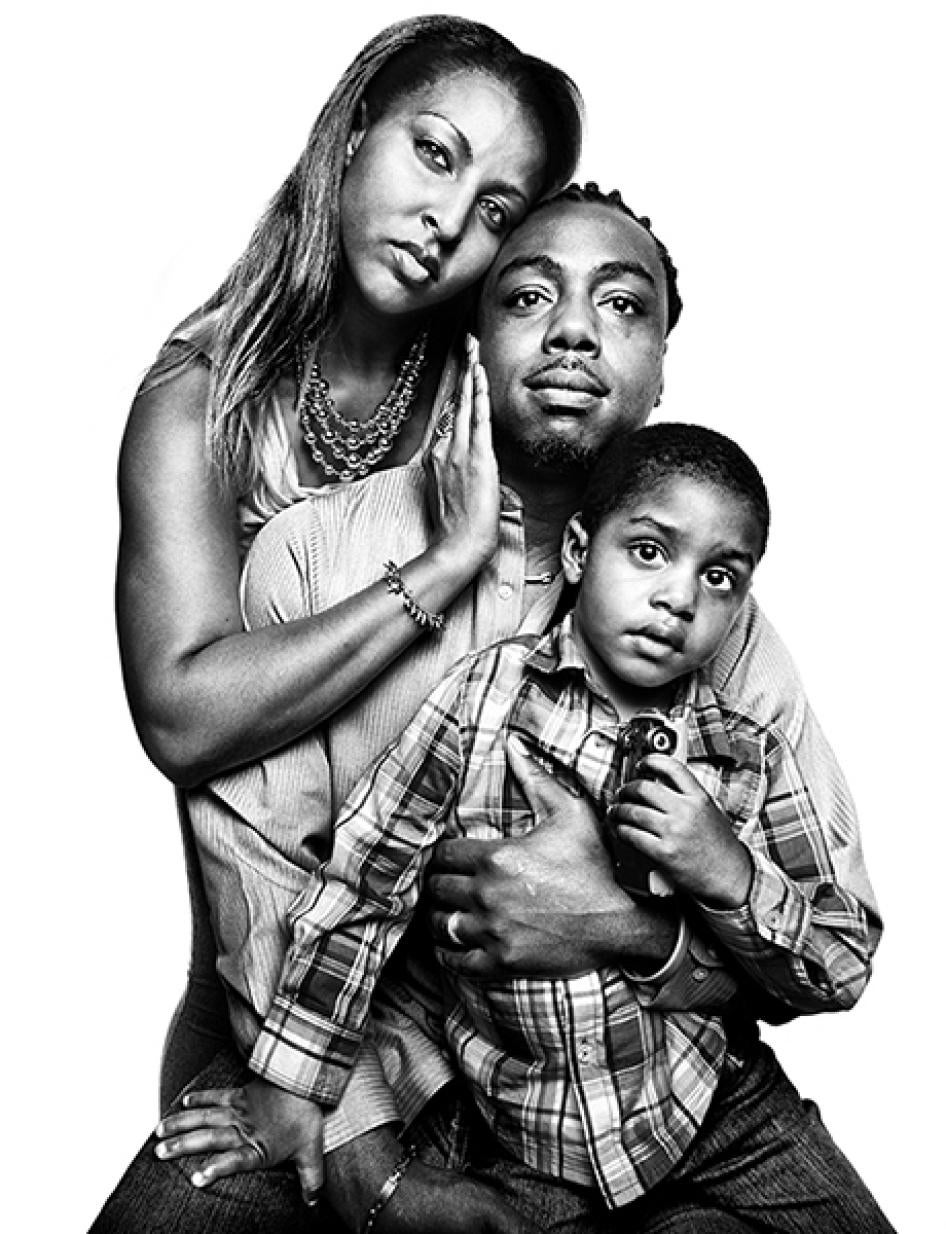
Hillary Clinton has actively sought to distinguish her stance on immigration from Trump’s, promising “humane” enforcement, but at the same time she has also promised to focus on “deporting those individuals who pose a violent threat to public safety.”
Rhetoric that conflates immigration with crime is both false and dangerous. Numerous studies have debunked the myth that increased immigration leads to increased crime. Many local law enforcement agencies encourage community members –regardless of immigration status –to report crime, believing it is the best way to protect everyone’s safety. Around the world, we’ve seen how such rhetoric from elected officials and politicians have coincided with increased acts of xenophobic violence.
The US immigration system already imposes extremely harsh and unforgiving consequences for immigrants – even green card holders – who have criminal convictions. Immigrants are subject to mandatory detention and deportation for a wide range of crimes, including low-level drug offenses that are increasingly seen by law enforcement officials and policymakers as deserving less punishment, not more. Detention and deportation harms not only the immigrants, but also devastates their US families.
Crime prevention is an important issue deserving of serious debate. The next president of the US can help create effective policies by staying focused on reforming the criminal justice system, rather than scapegoating immigrants.
Addressing the US’s Mass Incarceration Problem
When presidential candidates talk about people involved in the United States criminal justice system, they are speaking about a shockingly vast constituency. Overall, 2.3 million people are being held behind bars in the US, more than the total population of New Mexico (and 13 other states).
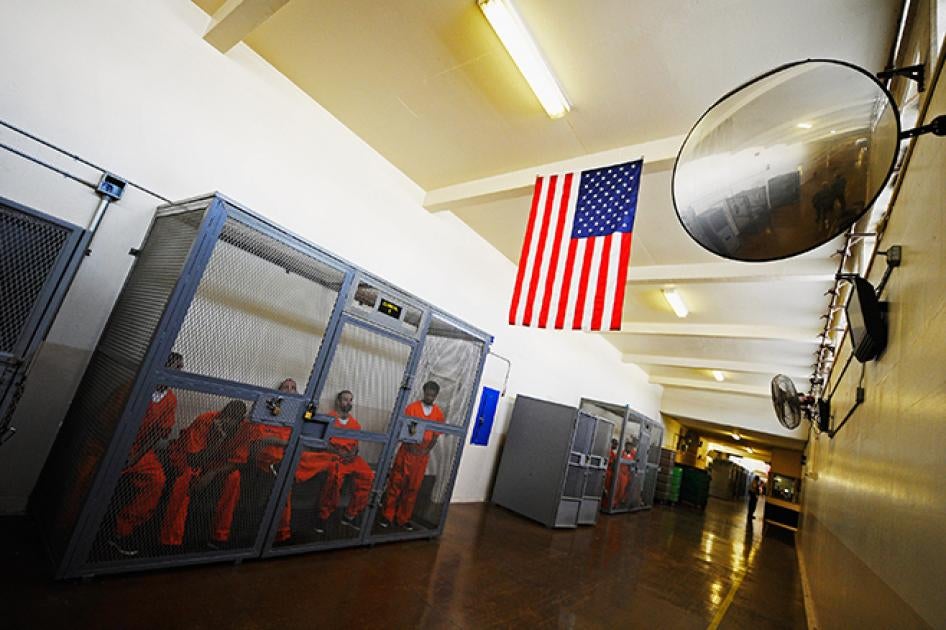
Consider that nearly half of US children – around 33 million – have a parent with a criminal record. There are 11 million arrests each year, and every year an average of 636,000 people return to their communities after serving time in US prisons.
The reasons for mass incarceration are many – disproportionately severe sentences and overzealous prosecutors being just two. We’ve documented the outsized role prosecutors play in determining extreme sentences for federal drug offenders, a power magnified by long, arbitrary mandatory minimum sentences and sentencing enhancements.
Throughout our research we’ve noted how Black Americans have disproportionately borne the burden of US drug enforcement policies, and therefore mass incarceration writ large.

The US presidential candidates should ground any potential criminal justice reforms in core principles of human rights, including equal protection under the law. They should support policies that ensure the severity of the punishment is proportionate to the gravity of the crime. They should oppose mandatory minimum sentencing laws that prevent judges from tailoring sentences to the individual crime and the particular defendant.
Furthermore, whoever becomes president should strongly consider working to end jail time for possession of illegal drugs for personal use. While almost all drug possession crimes are prosecuted at the state level, some are prosecuted by the federal government (say for possession on federal grounds, like a national park).
It’s no doubt an understatement to say that criminal justice reform is not easy – note the most recent, and likely failed, Congressional reform effort. But US policymakers need to work to try and break the chokehold that mass incarceration has upon their country.