Darien Gap Feature Video
Final Script - ENG
María:
It’s been the worst thing I’ve been through, I felt I wasn’t going to come out of there.
I cried, the first thing that crossed my mind were my children.
Voice Over:
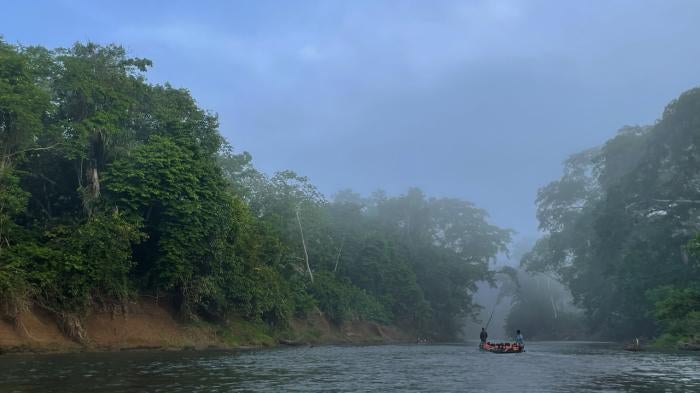
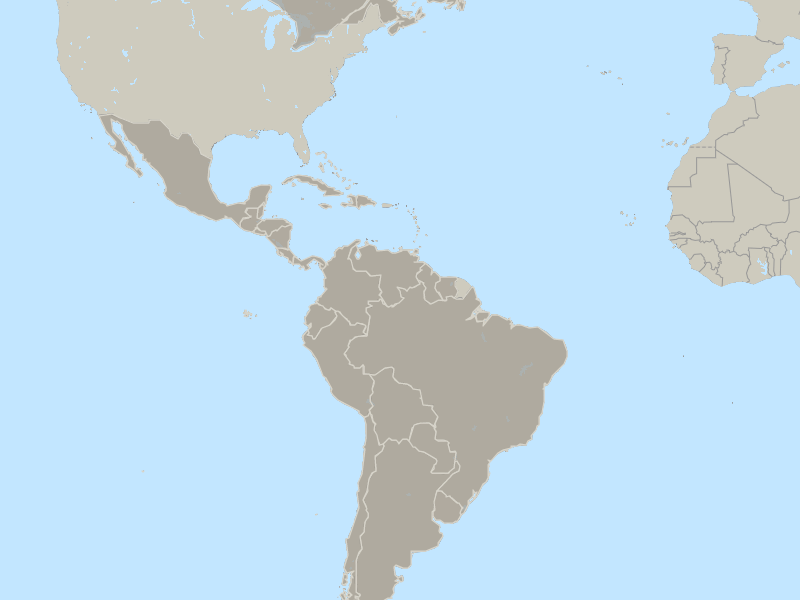
Over the last year, more than half a million people have crossed the Darién Gap, a swampy jungle between Colombia and Panama,
on their journey north, often to the United States.
Migrants from all over the world risk their lives in this difficult terrain, where they are exposed to unchecked abuses by criminal groups and receive little protection.
Text Card:
Asylum seekers and migrants are entitled to basic safety and respect for their huma rights during their journey.
Chapter 1:
Fleeing human rights crises
María:
I left Venezuela, why? Because of the country’s situation.
I work so much and much and much...why... can’t I afford anything for my daughter? I decided to go to Ecuador.
I left with my brother, he was 17 and I was 21 years. We walked all the way from Cúcuta [Colombia] to Ecuador,12 days, just the two of us.
When we got to Ecuador, that same day I started working, but totally undocumented in Ecuador. I then brought my mom and my family.
Voice Over:
Many people crossing the Darién Gap often try to rebuild their lives in South America before risking everything at the crossing.
But their lack of legal documentation status and formal employment, as well as insecurity and discrimination, drives them out.
María:
Now Ecuador is different, there are a lot of hitmen, there is a lot of robbery and stuff.
I was also in a relationship that turned really bad. There was no respect. I would be working, and he would stalk me. After I filed a restraining order, he tried to kill me. Three days later I decided to come here [to the US].
My best friend had messaged me a few days earlier and said: “Maria, let’s go through the Darién”, I told him “No dude, I’m scared.” I knew that a lot of people died there.
Chapter 2:
The Jungle Corssing
2022
Voice Over:
Hundreds of thousands of migrants and asylum seekers are fleeing human rights crises in the Americas, while many are also escaping poverty or seeking safety.
The US has promoted restrictions on movement in the region, pushing more and more people into this dangerous route.
María:
I crossed in September 2022. Before we even got there, we had decided what route to take, through where. We got there and said: “We will cross through here because we don’t have enough money for Acandí, we’ll go through La Bandera." We paid the money and went in.
Seven days. You see dead people, you see animals like “wolves” [foxes], you hear them at night. You have to put cleaning fluid around the tent so that the snakes don’t get in. The rain is devastating.
You are wet, the tent is wet, your clothes are wet, you are freezing. Your boots are wet, but you can’t take them off or something might bite you. And as you move forward you start seeing, the smell of the dead is really strong.
Voice Over:
During their days-long walk across the gap, migrants of all nationalities frequently experience robbery and serious abuses, including sexual assault.
María:
Well, we didn’t get robbed like other people, but they did take our money. At every stop you would have to pay, and if you don’t have it they will leave you there, and make your life miserable. It’s all a mafia.
We ran out of water for two days. We were almost at the last stop, and I fall on my knees, and I tell my best friend: “Man, I can’t go any further, if you get out of here please tell my mom and my children that I love them but I can’t anymore.”
Voice Over:
A lack of safe pathways is pushing more and more migrants to cross the Darién Gap.
Between January and September 2023, a record of 400,000 people, including more than 80,000 children, crossed.
Voice Over:
Even after successfully crossing the Darién Gap, the rest of the journey doesn’t come without risk. Especially in countries like Guatemala and Mexico.
Chapter 3:
The rest of Marías Journey.
2022
María:
Mexico was the worst thing that has ever happen to me, other than the jungle.
We arrived to Tapachula like everyone else. Immigration detained us for like three four days, we couldn't call anyone. We were fine since it was the first time.
I stayed working in Mexico for a whole month. I worked in a taqueria restaurant. I started at 07:00 am and left at 02:00 am. 7:00 am until 02:00 am...
I mean, it was horrible, and they paid me 150 pesos and I paid 100 a night [for lodging]. There was nothing left.
Voice Over:
In 2022 the US established a humanitarian parole program that allows qualifying individuals from certain nationalities like Venezuelans, to enter the US.
Maria eventually obtained it. But many who don’t qualify and are pushed into dangerous crossings.
Chapetr 4:
Reunifying the Family
2023
María:
Because of Ecuador’s situation. My mum’s neighbor got robbed at her place, they had raped the woman in that house.
That scared me. I have a 5-year-old daughter and a 2-year-old boy, I don’t want them to go through that.
I had the courage and the sacrifice to make the money for them to come here.
Voice Over:
María’s mother, along with her two children and her brother left Ecuador on August 30th, 2023, and started their journey to the US.
María:
They crossed [the Darién Gap] through Acandí, the short route.
I couldn’t sleep, I messaged her all the time. “Where are you? What are you doing?” they didn’t answer, they had no reception.
They were robbed, their bag were stolen, with the money, the phones, my children’s birth certificates. Everything.
I sent them $3,000 and more than $1,000 was stolen from them in the jungle, when their bags were taken. It was total anguish.
María Nat pop:
Mommy, I already sent the guy the money and he made the deposit. I’m with the lady that sent me the contacts, remember? So, when you move, and make it to the border with Guatemala, call Mercedes. So they can save you a spot in that shelter.
Text Card:
Panamanian and Colombian authorities should protect migrants and local communities in the Darién Gap and increase assistance in the area.
Chapter 5:
United States of America
María:
Life here is not easy, you pay for everything, if you miss a month of rent, they kick you out. I didn't work one hour, two, four hours, no,
I work 12, 14 hours in one a day. To make the money, so that they [my family] could be with me.
I have asked for loans and stuff in the bank, all so they can move forward. Because my children for me are my life.
Nat pop:
- I love you mommy.
- I also love you.
Voice Over:
By November 1st, 2023, María’s family was still in Mexico waiting for an immigration appointment to apply for asylum at a US border crossing.
Text Card:
The United States should expand safe and legal pathways for migrants and asylum seekers, so that they can avoid dangerous crossings, like the Darién, as well as work with other governments to protect migrants along the way and ensure their right to seek asylum.
Voice Over:
Whether seeking international protection or economic opportunities, asylum seekers and migrants deserve a safe, orderly, and dignified path.
They are all entitled to basic safety and respect for their human rights during their journey.