Canadian immigration law provides for the issuance of "security certificates" in national security cases. Such certification by the executive authorizes the government to detain a person—suspected of being a threat to the security of Canada—for an unspecified period without charge or trial; present secret evidence, not available to anyone except the government and a judge, in closed hearings to which detainees and their lawyers do not have access; and to deport him or her. A group of men subject to these certificates challenged the Constitutionality of the immigration law providing for security certificates. The Canadian Supreme Court heard the case in June 2006. Human Rights Watch and the University of Toronto International Human Rights Clinic intervened in the case and submitted this brief arguing that the regime in practical effect led to indefinite detention and that terrorism suspects should be charged and tried under Canada's criminal laws with due process of law
|
Amicus Briefing
Canada's Security Certificates Regime: Human Rights Watch and University of Toronto International Human Rights Clinic Amicus Bri
Every piece on our website is resource intensive. If you donate whatever you can today, we will use it to continue investigating abuses and advocate for change in 100+ countries.
More Reading

Reports
-

-
June 29, 2020
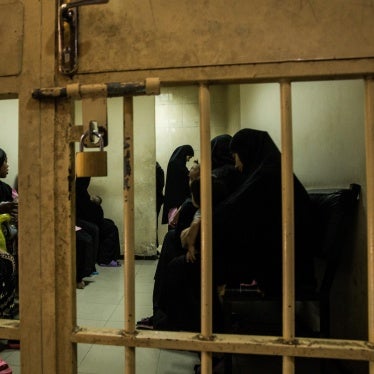
“Bring Me Back to Canada”
Plight of Canadians Held in Northeast Syria for Alleged ISIS Links
Most Viewed
-
October 24, 2026
Japan should stop punishing sex workers
-
October 26, 2026
Yemen: Houthi Attack on Taizz Road Threatens Lives, Welfare

-
May 17, 2021
“Years Don’t Wait for Them”

-
October 26, 2026
Sudan: One Year on from the Cataclysm of El Fasher

-
October 19, 2026
Saudi Arabia: Man Executed for Childhood Offenses