


Landmines
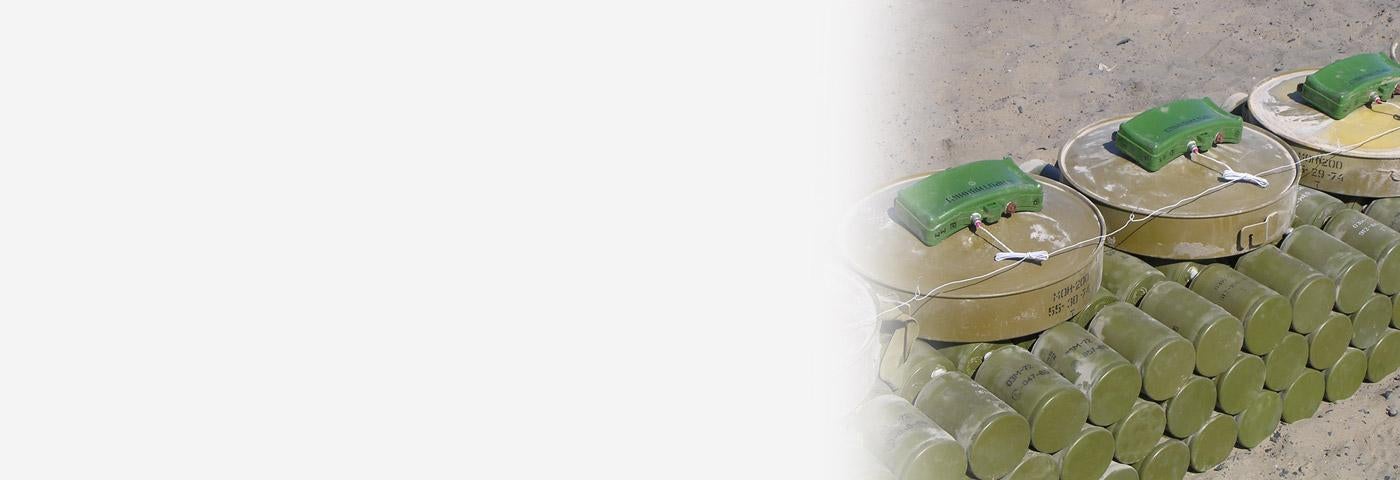
Antipersonnel landmines are weapons that cannot discriminate between a civilian and a combatant. They are designed to be exploded by a person’s presence, proximity, or contact and pose and remain active for decades, endangering children, agricultural worker, or anyone who steps in their path. The 1997 Mine Ban Treaty comprehensively bans the use, production, stockpiling, and transfer of antipersonnel mines, and requires states to destroy their stockpiles and clear all mined areas as well as assist landmine survivors. A total of 164 states have joined the Mine Ban Treaty and are making steady progress towards a landmine-free world, but several countries that produce landmines have not joined the treaty. Human Rights Watch is a founding member of the International Campaign to Ban Landmines (ICBL), the 1997 Nobel Peace Co-Laureate together with its coordinator Jody Williams, and contributes to its Landmine Monitor report.
Videos
Videos-
-
June 3, 2025
Listen, Run, Hide
How Russia Uses Quadcopter Drones to Hunt and Kill Civilians in Kherson, Ukraine

-
April 8, 2025
Syria: Landmines, Explosive Remnants Harming Civilians
Government, Donors Should Urgently Support Clearance, Education, Assistance

-
July 8, 2024
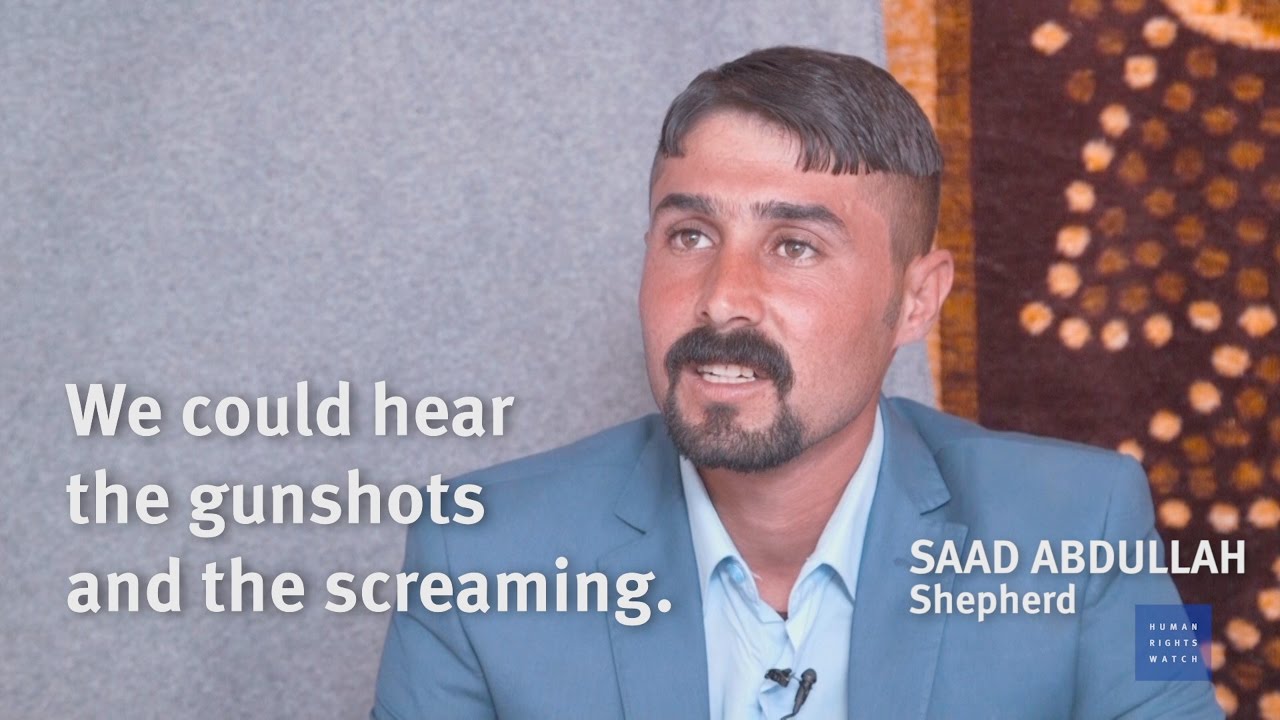
Iran: Security Forces Killing Kurdish Border Couriers
In Poor Region, Scores Killed Taking Goods Across the Iran-Iraq Border

News
-
June 18, 2026
Statement on Compliance to the Mine Ban Treaty Intersessional Meeting
Delivered by Gerry Simpson, Senior Advisor
-
April 6, 2026
Letter to Secretary Hegseth on US Landmines in Iran
-
November 30, 2025
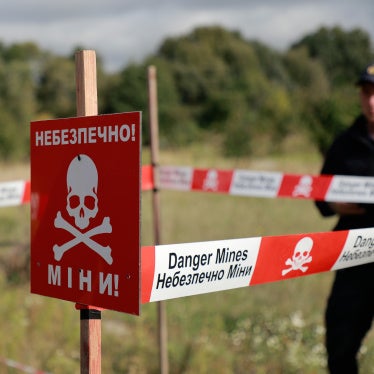
States Should Protect Civilians, Defend International Law from Challenges to Mine Ban Treaty
-
November 29, 2025
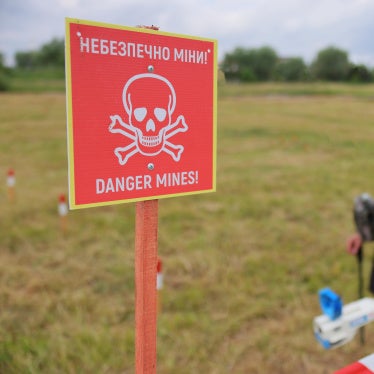
Joint Civil Society Statement on Ukraine’s Unlawful Suspension of the Mine Ban Treaty
-
September 22, 2025
Challenging Ukraine’s Mine Ban Treaty “Suspension”
A Humanitarian and Legal Imperative

-
July 25, 2025
Thailand/Cambodia: Protect Civilians Amid Border Clashes
UN, Concerned Governments Should Urge Respect for International Law

-
July 24, 2025
Ukraine ‘Suspends’ Vital Mine Ban Treaty
Respect Global Prohibition on Antipersonnel Landmines
-
July 1, 2025
Five European States Withdraw from Mine Ban Treaty
Baltic Countries, Finland, Poland Put Civilians at Long-Term Risk

-
June 20, 2025
Statement on Stockpile Destruction and Mines Retained to the Mine Ban Treaty Intersessional Meeting
Delivered by Mary Wareham, Deputy Director

-
June 19, 2025
Statement on Compliance to the Mine Ban Treaty Intersessional Meeting
Delivered by Mary Wareham, Deputy Director