• Nov 1, 2012
    After Human Rights Watch issued a report on violence against migrants in Greece, the country announced plans to establish a new police unit to deal with racial violence. The justice minister also promised stiffer sentences for hate crimes. Both were key recommendations from our report.
  • Oct 25, 2012
    A British judge granted a last minute injunction, citing Human Rights Watch’s research, as justification for halting the deportation of Tamil asylum seekers to Sri Lanka.
  • Oct 4, 2012
    Our research has shown that laws sentencing juveniles to life without parole are unjust. We estimate that across the nation, 59 percent of youth sentenced to life without parole are first-time offenders, without even a shoplifting record. In California, where the more than 300 youth serving life without parole constitute more than 10 percent of the nation’s total, African American youth receive this sentence at 18 times the rate for white youth.
  • Sep 20, 2012
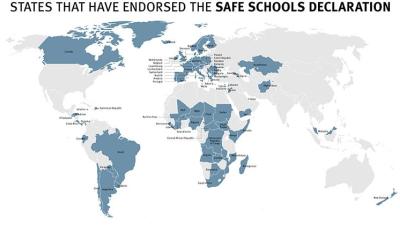
    In March, our researchers visited seven Yemeni schools occupied by armed forces on both sides of the fighting. Afterward, we met with government officials and opposition armed groups, voicing the danger this posed to children and their education. By August, troops had vacated five of the schools we visited.
  • Aug 9, 2012
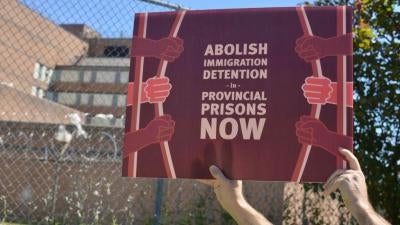
    After three years of work by Human Rights Watch, the US Immigration and Customs Enforcement (ICE) has adopted a new policy that could substantially reduce the number of transfers, giving immigrants a fairer chance.
  • Jun 28, 2012
    Saudi Arabia has announced that it will send two female athletes to the Olympics for the first time, following more than a year of Human Rights Watch reporting, campaigning, and high-level advocacy with the International Olympic Committee.
  • May 31, 2012

    Amina Murtala is only 20, but she has already lost three children to lead poisoning – a deadly consequence of small-scale gold mining in her home state of Zamfara in Nigeria.

    Last week President Goodluck Jonathan agreed to release 650 million Naira (roughly US$4 million) for environmental remediation and to put in place safer mining practices in Zamfara state. This clean-up could give Amina's newest baby a better chance at a healthy life.

  • Apr 11, 2012
    Fighting between the Burmese army and Kachin rebels reignited last June, displacing some 75,000 ethnic Kachin and leaving them in desperate need of food, medicine, and shelter. However, the Burmese government has blocked aid to conflict areas. Five days after Human Rights Watch released a report on the abuses in Kachin state, which borders China, the Burmese government granted the United Nations access to Kachin state’s conflict areas, allowing the United Nations to send in a couple of badly needed convoys of aid containing essential food and supplies.
  • Mar 29, 2012

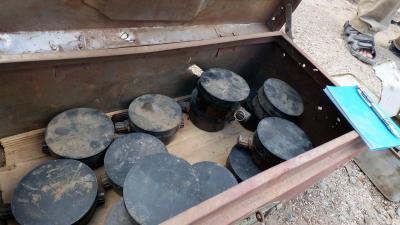
    Last week in Libya, Human Rights Watch witnessed the destruction of nearly 100 Chinese-made antivehicle landmines – weapons that kill or maim civilians, often children, long after the fighting has stopped.

  • Mar 15, 2012

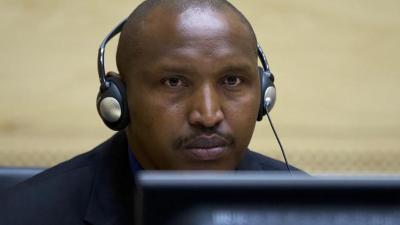
    Lubanga’s name is not as quickly recognizable as Joseph Kony’s, because of the Kony 2012 viral video that educated nearly 80 million people on the atrocities of Kony’s rebel group, the Lord’s Resistance Army (LRA). But like Kony, Lubanga has the blood of many Congolese on his hands and is one of the most infamous present-day recruiters of child soldiers.