Uganda
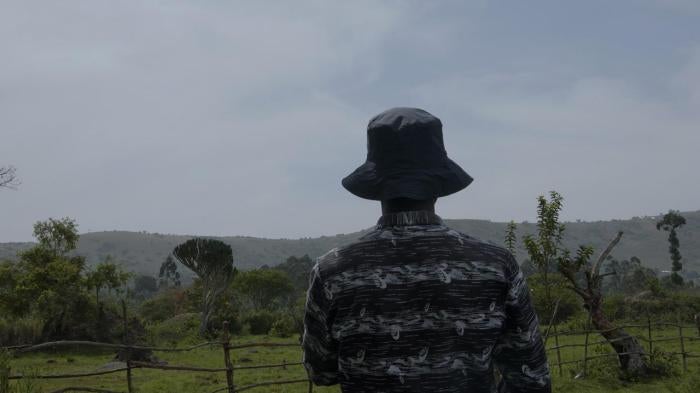
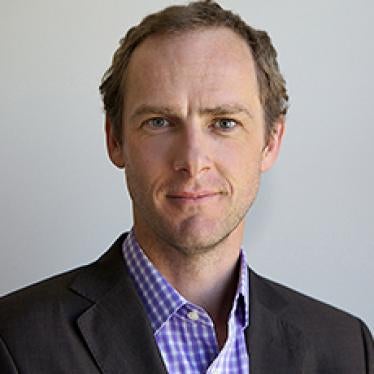
"Nsubuga", Farmer
This is where the pipeline will pass.I am very worried because it is so close to my house and I don’t know what will happen.
Narration
All along the route of the planned East African Crude Oil Pipeline (EACOP), the echoes of communities voicing the same concerns. If built, the 1,443 kilometer pipeline would link the Tilenga and Kingfisher oil fields in western Uganda to the Tanzanian coast.
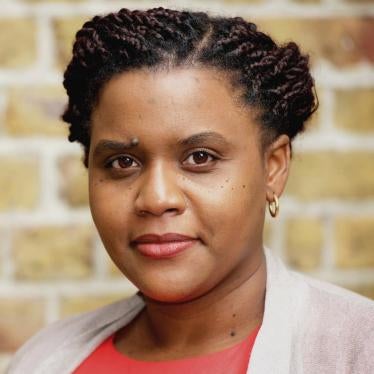
Diana Nabiruma, Africa Institute of Energy Governance
There is a lot of resistance against the EACOP because the Tilenga, Kingfisher, and EACOP oil projects are bad for people, are bad for nature, and are bad for climate change.
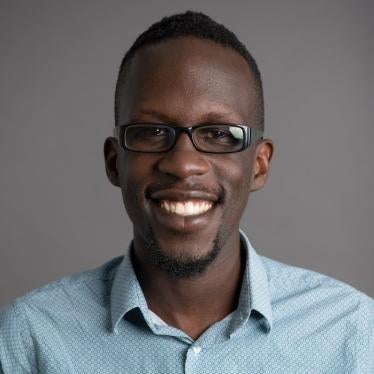
Maxwell Atuhura, Environmental Activist
I object the pipeline because it has displaced thousands and thousands of people without enabling them to regain their land elsewhere.
Narration
TotalEnergies and the Chinese company CNOOC acquired the rights to develop
the oil fields along with Ugandan and Tanzanian companies. Uganda has considerable renewable energy potential. It doesn’t need the pipeline.
"Nsubuga", Farmer
There were trees all over here but they were cut and the government isn’t saying
anything about this.
Narration
Like some 90% of farmers, Nsubuga accepted money in exchange for a plot of his land,but he described a process that was lengthy and confusing and many promises, including some assistance with the school fees, unkept.
"Nsubuga", Farmer
Over the years, the same coffee plants our grandparents had farmed helped pay the children school fees throughout the school year,but now this is not the case anymore and the children’s school fees are always going up.
Narration
Problems around the relocation of the families’ graves, caused more resentment towards
TotalEnergies.The compensation offered at the time wasn’t always enough for the
traditional rituals to be conducted.
Not far from here, Lubega is one of the few farmers who refused compensation
from TotalEnergies.
"Lubega", Farmer
The first time they came they told us that a mature coffee tree will be valued at 33,000 Ugandan shillings (US$9). We told them that it takes a lot of time to grow coffee until it’s this big.You have to dig the pit, buy the seedlings, plant the coffee, so their valuation was unfair.
That’s why I first refused to sign the contract. I don’t think the forms they brought were clear.
I didn’t notice certain words, couldn’t read them. A lot was not clear.
Narration
TotalEnergies promised farmers would not be worse off but those leaving their land have not
been fairly compensated. The money received didn’t allow them to purchase land as fertile or as big in the same area. 100,000 people across Uganda and Tanzania will lose their land and livelihoods.
Maxwell Atuhura, Environmental Activist
People were dependent on their land for survival, schooling their children, medication and all sorts of income in their home. They lost it. And it was long-term, the families
grew up being supported by that land. But one project is coming and
taking it in just a few hours!
Narration
In a response to Human Rights Watch reporting about inadequate compensation, TotalEnergies said they continue to pay close attentionto respecting the rights of communities concerned
and added they believe the compensation paid met the standard of full replacement value.
"Lubega", Farmer
Once the pipeline starts working, I don’t know if I will still be able to grow
stuff like beans or coffee. I fear it will never be the same. Those who resist and those
who defend them, risk arrest and continuous threats from the Ugandan authorities.
Diana Nabiruma, Africa Institute of Energy Governance
If you’re campaigning to stop the expansion of the fossil fuel industry, it is very difficult.
More so if you’re working in a country such as Uganda where the civic space is repressed.
Now when they realize that arrest can't stop you, then intimidation, threats,
delegitimization,and other types of activities that aim at stopping the work that we do
are perpetrated against us.
Maxwell Atuhura, Environmental Activist
The method of continuing has been silencing those who want to talk. They [Ugandan authorities] create fear to talk about these dangers to see that nobody else should
talk about it.
Narration
Jealousy, a farmer and a pastor from the northern part of the country, decided to take the fight against EACOP and TotalEnergies to France.
Jealousy, pastor and farmer
Then when I was coming back to my motherland Uganda, I reached at Entebbe airport,
I was arrested, detained in jail for nine hours. And after I came back, I got
intimidation calls from different people. They called me, I didn't know them,
saying you’re sabotaging government,you’re sabotaging the oil project.
Narration
And while the farmers wonder what the futureholds for them, activists hope international
financial backers will steer clear of supporting EACOP.
Diana Nabiruma, Africa Institute of Energy Governance
We would also like to see the international community ensuring that investments or money is flowing into the green economic sectors. It's not enough for them to take away funding from the fossil fuel sector. They must ensure that the funding that has been going to that sector flows to renewable energy and other green economic sectors so that Ugandans and people elsewhere, can prosper while conserving nature.
We can’t name the Ugandan filmmakers for security reasons. We would like to thank them and all the contributors who spoke with us.