April 10, 2026
Remembering a Steadfast Hong Kong Democracy Activist
Koo Sze-yiu, Who Endured 10 Stints in Prison, Passes Away at 80

Koo Sze-yiu, Who Endured 10 Stints in Prison, Passes Away at 80
Missing Host City ‘Human Rights Action Plans’ Underscore Lack of Protections

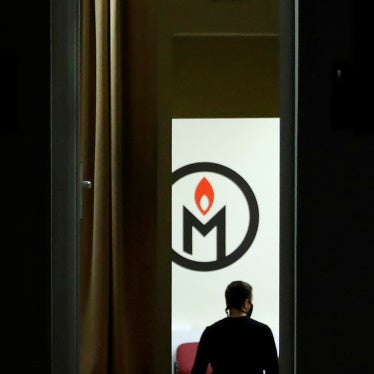
Authorities Seek to Suppress History, Human Rights under Draconian Laws
Fully Investigate Assassination Attempt on Kamonsak Leewamoh

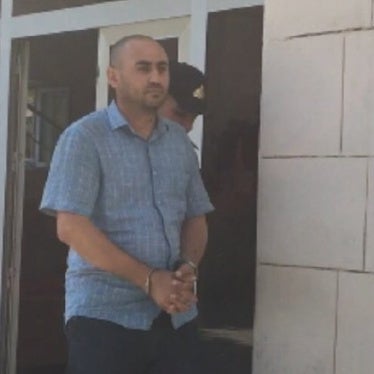
Afgan Sadigov’s Forced Return Exposes Him to Prosecution, Ill-treatment
Another Blow to Rights, Dissent, LGBT People

Attacks Kill More Than 300, Limit Access to Southern Lebanon, and Worsen Aid Crisis

Children’s Rights Group Closes after Years of Persecution by the Israeli Government

53rd Session of the United Nations Universal Periodic Review
Disturbing Disregard for Civilian Life in Escalating Middle East Conflict

Warehousing Immigration Detainees in Unfit Conditions Poses Serious Risks
Criminal Libel Suits Undermine Free Expression, Media Freedom

Develop National Planned Relocation Policy