Candidates running for office in 2020 should absolutely pay attention to issues of racial justice in the United States. I’m Nicole Austin-Hillery and I’m the Executive Director of the US Program at Human Rights Watch [00:15]. Like many of you, I’ll be tuning in when the Democratic candidates take the stage on February 25 to debate who should be the next President of the United States. If I had to suggest one thing in particular to watch for [00:30] it would be whether the candidates do a better job of prioritizing racial justice than they’ve done so far. The majority of Americans believe that racial justice is a major problem and I see why so many of us are in agreement. Systems that leave black people [00:45] with less wealth and more trauma, as ours do in America, don’t make anyone in this country safer. The good news is that we can repair the social divides and mend the pain that racist systems have caused. But it requires elected officials [01:00] offering real remedies to hard problems that often get swept under the rug.
Let’s talk about some of the tough racial justice topics that 2020 candidates and elected officials should use their public forums to address. I’m playing close attention [01:15] to whether 2020 candidates seize the opportunity before them to confront, head on, the institution and legacy of slavery in America. Especially with the February 25 debate taking place in Charleston, South Carolina, which for a long time [01:30] was the nation’s largest slave port. The sale and labor of enslaved Africans in South Carolina, and across the country, helped build the richest economy in the world as it simultaneously tore black families apart. Even after emancipation from slavery, [01:45] black Americans experienced lynchings, segregation, red lining, voter discrimination, educational inequity and other oppressive tactics that the government sanctioned to strike terror and suppress black peoples’ full participation [02:00] in our society. The government ensured that trauma was passed down through the generations rather than wealth, and systemic discrimination continues to this very day. Black American communities deserve repair, [02:15] reinvestment and reconciliation. So, I’ll be listening to hear whether the candidates share their thoughts on reparations and the many forms it can take for the descendants of enslaved Africans and victims of Jim Crowe discrimination in America [02:30]. Candidates should support and discuss House Resolution 40, a bill currently before Congress that would form a commission to study and offer proposals for providing reparations.
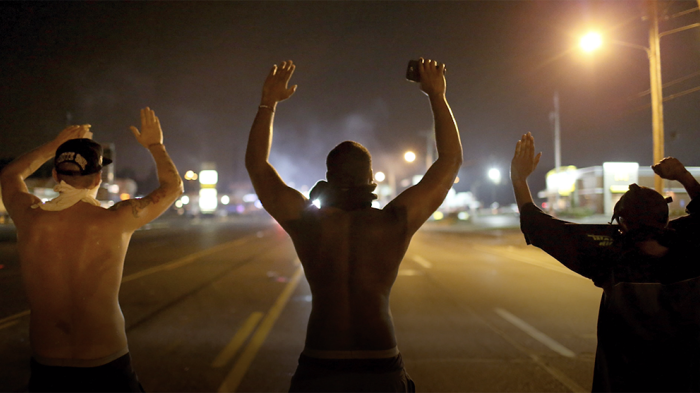
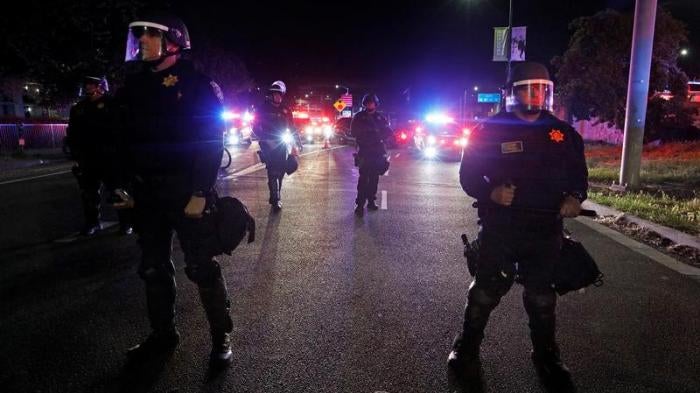
Another important issue that warrants more discussion from candidates [02:45] is the abuse of policing, which has traumatized black communities for generations. Let us see if the candidates finally speak up on rethinking the role and presence of the police in our communities and how to better hold law enforcement accountable. I’m waiting to hear [03:00] candidates dive deeper into their plans to end mass incarceration which has disproportionately devastated black families. They should support a move away from the money bail system that keeps poor people behind bars even if they’ve done nothing wrong. [03:15] But candidates should also publicly oppose risk assessments which use algorithms to give statistical estimates of a person’s likelihood of missing court or getting arrested again. Risk assessments have been widely embraced as an alternative to money bail, [03:30] but they are racially biased and could be at least as harmful as the bail system itself that they are meant to replace.
This is not where the discussion of racial justice should end. This is notice that human rights issues like these [03:45] can no longer be ignored. By proposing ways to address past and ongoing harms to the very community that helped build this nation, candidates can advance policies that would improve the well-being of all America.