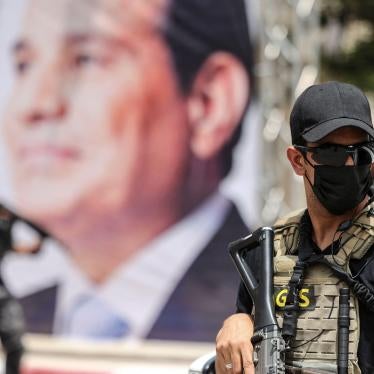
In recent weeks hundreds of young men and boys from the Dadaab refugee camps have been secretly recruited for the force, lured with false promises of lavish pay and claims of backing from the United Nations and the United States.
The return of one man convicted of the Lockerbie bombing to Libya, where he got a hero's welcome, has caused an international outcry while the return of hundreds of boat migrants to Libya, where they face certain detention and probable brutal mistreatment, causes nary a peep.
African immigrants who attempt the dangerous boat journey across the Mediterranean to Italy face a double dose of hardship. Since May, if their vessels are intercepted by the Italian authorities, they have been summarily returned to Libya, where migrants typically suffer widespread mistreatment.
The European Commission's pressure on Italy to report on its forced - and reportedly brutal - return of migrants to Libya is welcome. But the statement by Jacques Barrot, the Commission's vice-president, that these were isolated incidents unlikely to be repeated, because the Libya-Italy agreement will mean "fewer illegal migrants coming in", is cause for concern.
Ganga Baral is among the first of thousands of Bhutanese refugees who will be arriving in the United States during the next several years. She and her family arrived this Spring in Phoenix from a refugee camp in the farthest eastern reaches of Nepal, a landlocked country known to Americans, if at all, as the location for Mount Everest.
With the visit of Libyan leader Muammar Gaddafi to Rome this week, Italy and Libya are celebrating their recently ratified Friendship Treaty. But this pact, which has already resulted in joint naval patrols that run roughshod over refugee and migrant rights - as Tana de Zulueta commented - is hardly cause for celebration.
Greece is on the European Union frontline, and needs closer co-operation with the EU to protect the union's external borders. But rather than co-operation based on high standards and mutual respect, it appears that other EU member states are all too willing to look the other way as Greece performs their dirty work of keeping migrants out.
Hundreds of unaccompanied children in Greece are fleeing from war-torn countries in a desperate search for safety, they end up in a daily struggle for survival. They work in dangerous jobs, live in squalid and unsafe places, or simply beg and sleep in parks or cardboard shacks. Worse, Greek police officials often arrest and ill-treat these children, and the chances that Greece will recognise them as refugees are close to zero.
In recent weeks hundreds of young men and boys from the Dadaab refugee camps have been secretly recruited for the force, lured with false promises of lavish pay and claims of backing from the United Nations and the United States.
The return of one man convicted of the Lockerbie bombing to Libya, where he got a hero's welcome, has caused an international outcry while the return of hundreds of boat migrants to Libya, where they face certain detention and probable brutal mistreatment, causes nary a peep.
African immigrants who attempt the dangerous boat journey across the Mediterranean to Italy face a double dose of hardship. Since May, if their vessels are intercepted by the Italian authorities, they have been summarily returned to Libya, where migrants typically suffer widespread mistreatment.
The European Commission's pressure on Italy to report on its forced - and reportedly brutal - return of migrants to Libya is welcome. But the statement by Jacques Barrot, the Commission's vice-president, that these were isolated incidents unlikely to be repeated, because the Libya-Italy agreement will mean "fewer illegal migrants coming in", is cause for concern.
The Greek government has come up with a novel solution to a growing backlog of asylum appeals: Abolish appeals. No backlog. No Problem.
Ganga Baral is among the first of thousands of Bhutanese refugees who will be arriving in the United States during the next several years. She and her family arrived this Spring in Phoenix from a refugee camp in the farthest eastern reaches of Nepal, a landlocked country known to Americans, if at all, as the location for Mount Everest.
With the visit of Libyan leader Muammar Gaddafi to Rome this week, Italy and Libya are celebrating their recently ratified Friendship Treaty. But this pact, which has already resulted in joint naval patrols that run roughshod over refugee and migrant rights - as Tana de Zulueta commented - is hardly cause for celebration.
Greece is on the European Union frontline, and needs closer co-operation with the EU to protect the union's external borders. But rather than co-operation based on high standards and mutual respect, it appears that other EU member states are all too willing to look the other way as Greece performs their dirty work of keeping migrants out.
Hundreds of unaccompanied children in Greece are fleeing from war-torn countries in a desperate search for safety, they end up in a daily struggle for survival. They work in dangerous jobs, live in squalid and unsafe places, or simply beg and sleep in parks or cardboard shacks. Worse, Greek police officials often arrest and ill-treat these children, and the chances that Greece will recognise them as refugees are close to zero.