In two weeks, Egyptian President Hosni Mubarak will make his first visit to the White House since 2004. Egypt is, of course, a key U.S. ally and the United States badly needs its help as President Barack Obama attempts to restart the Israeli-Palestinian peace process. But Mubarak is not exactly a model guest.
Abd al-Monim Mahmud, a young, articulate Egyptian television journalist and blogger with a taste for Martin Scorsese movies, sits in a dirty, overcrowded prison on the outskirts of Cairo. Security officers arrested him at Cairo airport last week as he tried to board a plane for Sudan, where he was to work on a television story about human rights abuses in the Arab world for the London-based Al-Hiwar satellite channel.
As Egyptian President Hosni Mubarak's government brutally cracks down on Egyptians campaigning for democracy and political reform in Cairo, global business leaders are gathering today in the Egyptian resort of Sharm el- Sheikh to discuss "the new positive dynamics in the region's politics" at the World Economic Forum's annual Middle East meeting.
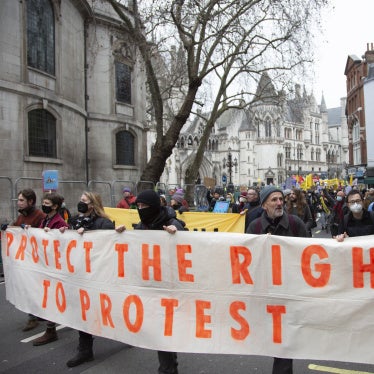
In the days after the bombings of 7 July, there were many reasons to feel proud to be a Londoner. Politicians responded with dignity to the terrible events. People of all faiths stood together in the knowledge that those who had commissioned these crimes against humanity should be identified and prosecuted. The rule of law seemed to reign supreme.
Back in 2006, Israel's profligate use of cluster munitions in Lebanon caught the public eye, nowhere more so than in the Arab world.
All eyes and ears will be on President Obama on June 4, when he delivers his first address from an Arab country.
In two weeks, Egyptian President Hosni Mubarak will make his first visit to the White House since 2004. Egypt is, of course, a key U.S. ally and the United States badly needs its help as President Barack Obama attempts to restart the Israeli-Palestinian peace process. But Mubarak is not exactly a model guest.
Abd al-Monim Mahmud, a young, articulate Egyptian television journalist and blogger with a taste for Martin Scorsese movies, sits in a dirty, overcrowded prison on the outskirts of Cairo. Security officers arrested him at Cairo airport last week as he tried to board a plane for Sudan, where he was to work on a television story about human rights abuses in the Arab world for the London-based Al-Hiwar satellite channel.
As Egyptian President Hosni Mubarak's government brutally cracks down on Egyptians campaigning for democracy and political reform in Cairo, global business leaders are gathering today in the Egyptian resort of Sharm el- Sheikh to discuss "the new positive dynamics in the region's politics" at the World Economic Forum's annual Middle East meeting.
In the days after the bombings of 7 July, there were many reasons to feel proud to be a Londoner. Politicians responded with dignity to the terrible events. People of all faiths stood together in the knowledge that those who had commissioned these crimes against humanity should be identified and prosecuted. The rule of law seemed to reign supreme.