• The Indian government should prosecute members of the security forces for recent high-profile cases of torture, to send a message that such practices will no longer be tolerated.

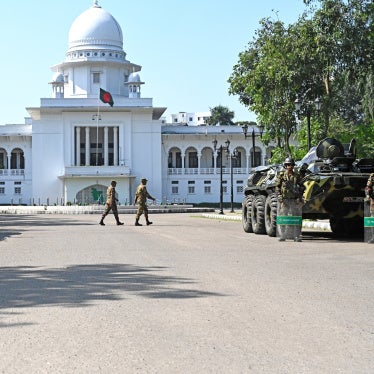
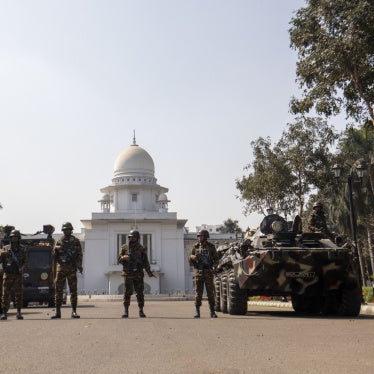
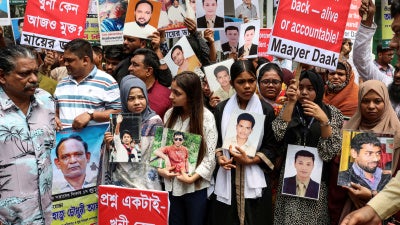
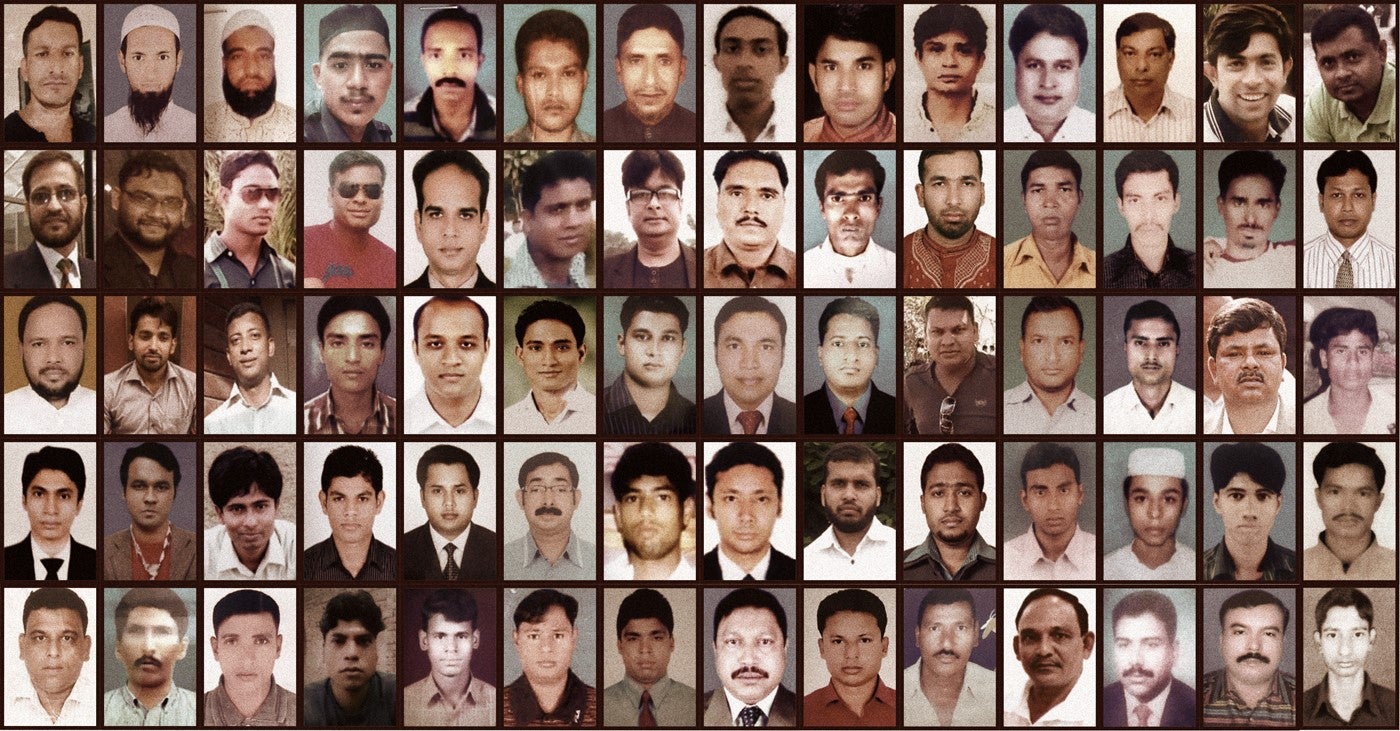
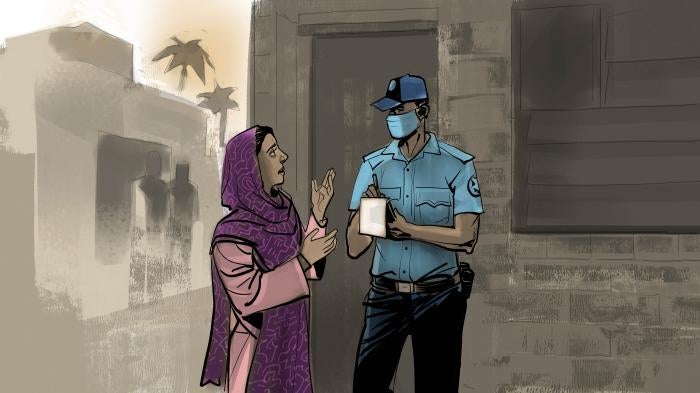
  • Bangladesh’s government took no significant steps to investigate and prosecute torture in custody and extrajudicial killings during 2011. Although the number of killings by the paramilitary force, the Rapid Action Battalion (RAB), dropped following domestic and international criticism, enforced disappearances increased. Activists and journalists were harassed or tortured. The government took some steps to promote women’s rights but failed to take adequate measures to protect women and girls from violence. Trials against those accused of war crimes during the 1971 war of independence were riddled with concerns over due process rights. Trials against members of the Bangladesh Border Guards accused in the 2009 mutiny were similarly rife with complaints.

Reports

Bangladesh

  • Jan 30, 2012

    The Indian government should prosecute members of the security forces for recent high-profile cases of torture, to send a message that such practices will no longer be tolerated.

  • Jan 23, 2012

    The government of Bangladesh took no significant steps to investigate and prosecute torture in custody and extrajudicial killings during 2011 and showed an increasing intolerance for criticism .

  • Nov 2, 2011

    The Bangladeshi government should investigate threats to defense lawyers and witnesses in cases at the International Crimes Tribunal (ICT) and take steps to prevent them.

  • Jul 26, 2011
    The Bangladeshi government should immediately stop the mass trials of the alleged mutineers of the Bangladesh Rifles (BDR) to ensure fair trials.
  • Jul 11, 2011
    Amendments to the rules of procedure for Bangladesh's International Crimes Tribunal (ICT) address some key problems but fail to bring other areas of the law and rules into compliance with international standards.
  • Jul 6, 2011
    The Bangladesh government should take urgent measures to make sure that religious fatwas and traditional dispute resolution methods do not result in extrajudicial punishments, Human Rights Watch said today. The government is yet to act on repeated orders of the High Court Division of the Supreme Court, beginning in July 2010, to stop illegal punishments such as whipping, lashing, or public humiliations, said the petitioners who challenged the practice.
  • Jun 20, 2011
    Doe-eyed and frail, with a mellow voice and a cheery smile, nothing about Sara (not her real name) suggested she had been through ordeal after ordeal in her 22 years. Forcibly married at 15 to a much older man, she discovered after the marriage that her husband had HIV, and that he had infected her. When her in-laws found out, they subjected her to a barrage of abuse and accused her of infecting her husband. Before he died, her husband apologized to her: Deported as a migrant worker from Malaysia for testing HIV positive, he knew he was positive before he married her. He told her he had not known much, though, about HIV itself, how it is transmitted, or that condoms could have kept him and her from becoming infected.
  • May 18, 2011
    The Bangladeshi government’s effort to bring to trial those responsible for atrocities during the struggle for independence in 1971 is an important and long overdue step to achieve justice for victims.
  • May 18, 2011
    Human Rights Watch welcomes your government's commitment to bring to justice those responsible for serious human rights abuses in 1971. Human Rights Watch strongly supports a successful legal and judicial process that is fair and impartial in holding the perpetrators of crimes accountable.
  • May 9, 2011
    The Bangladeshi government is failing to keep its commitment to end extrajudicial killings, torture, and other abuses by the Rapid Action Battalion (RAB) and hold those responsible accountable.