June 8, 2026
Egypt’s Answer to Unjust Detentions is More Arrests
Families, Lawyers, Former Detainees, and Journalists All Targets

Families, Lawyers, Former Detainees, and Journalists All Targets
Pacts Require Abortion Surveillance, Rights to Specimen Sharing, Data Access

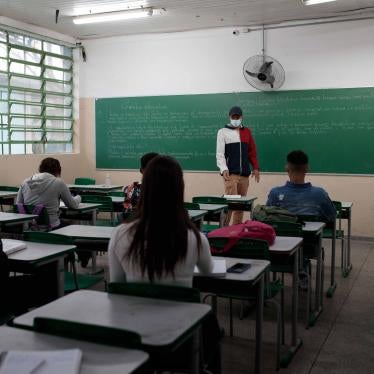
Governments Everywhere Should Build More Just Societies through Education
Positive Move for Civic Space, LGBT Rights, and Rule of Law

Government Weaponizes Criminal Justice System for Political Purposes

2 Years On, No Reprieve; International Community Action Needed

Give Environmental Defenders a Treaty to Work With
European Union’s Risk Database Should Include Pyongyang’s Labor Program

Human Rights Work Increasingly Penalized in Crackdown on Dissent

Adopt Reforms to Ensure Rights-Respecting Law Enforcement

Investigations Relate to Reporting on Kigali’s Worst Kept Secret