In June, two weeks after I returned from Nigeria, I got a message that another child had died from lead poisoning -the 11th in the same family. I could picture the scene: the child starts convulsing; his parents rush him two hours over barely passable terrain on the back of a motorbike to the nearest town for medical treatment. By the time they reach the clinic, a temporary ward specifically for lead poisoning set up in the wake of the epidemic, it is too late, and another young life has been taken by this preventable tragedy.
Over a billion people — 15 percent of the world’s population — live with a disability. These numbers should confer power and authority in decision making about all aspects of their lives, including to HIV and AIDS. Yet people with disabilities have been largely ignored in the global response to HIV.
Busisiwe's story was only one of many tragic stories we heard while researching a report about maternal mortality. But it is a prime illustration of why the National Health Amendment Bill, published in January last year, needs to become law, and quickly. The Bill is designed to address key shortcomings in the monitoring and oversight of the health system. Among other things, it would make several changes to the office of standards compliance, tasked with developing quality standards for the health sector and monitoring them.
The first UN International Day of the Girl, designed to promote education for young women everywhere, is the perfect opportunity to finally stamp out child marriage, writes Gauri van Gulik from Human Rights Watch.
When we met Elijah early this year in Ghana, he was chained to a tree at a “prayer camp.” Five months earlier, his family had him bound with rope and forcibly taken to the camp for “treatment.” Elijah told me that he had been chained to the tree ever since – the “healing” prescribed for the restlessness and insomnia that his parents and the camp’s spiritual leaders had decided was a mental disability.
After years of seemingly never-ending conflict and repression, Myanmar's neighbours and the world are watching the changes there with interest and cautious optimism. And for the 140,000 Myanmar refugees in Thailand, many stuck in camps on the border for decades, there is now some hope that they might be able to go home.
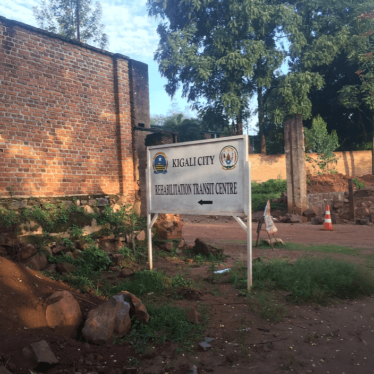
JURIST Guest Columnist Katherine Todrys of the Health and Human Rights Division of Human Rights Watch recounts her experiences researching disease transmission and living standards in African prisons. She calls for sweeping criminal justice reforms to address the systemic problems of overcrowding, human rights abuses and wrongful imprisonment.
The proposed amendments continue to mandate the death penalty for “crimes” such as consensual sexual conduct outside of marriage, drinking alcohol, and apostasy (even though no law prohibits apostasy). Many other objectionable provisions under the current penal code remain in the amended version, including punishments, among them death, for alleged violations of Iran’s broadly-worded national security laws.
Voices from across the political spectrum condemned the Missouri Senate candidate for Senate, Todd Akin, for his recent offensive and scientifically inaccurate reasoning to deny rape survivors’ access to abortion.
The first UN International Day of the Girl, designed to promote education for young women everywhere, is the perfect opportunity to finally stamp out child marriage, writes Gauri van Gulik from Human Rights Watch.
After years of seemingly never-ending conflict and repression, Myanmar's neighbours and the world are watching the changes there with interest and cautious optimism. And for the 140,000 Myanmar refugees in Thailand, many stuck in camps on the border for decades, there is now some hope that they might be able to go home.