The new Somali government, in power since September and much feted by international donors, seems to think they can silence the discussion of sexual violence by the security forces by clamping down on women reporting rape and journalists. The UK - a key donor to Somalia - needs to send an urgent message to the contrary before Saturday's hearing date.
When the new Somali president, Hassan Sheikh Mohamud, took office in September, the United States encouraged him to “usher in a new era of governance that is responsive, representative, and accountable.” This week, President Hassan Sheikh is in Washington to discuss how to get this done.
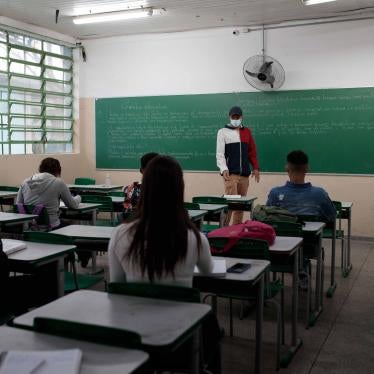
Like many of the Somali youth I interviewed in Kenya, “Xarid M.” had braved the streets of Somalia’s capital, Mogadishu, for as long as he could to go to school. But that all changed the day the Islamist insurgent group al-Shabaab brought the war to his classroom.Like many of the Somali youth I interviewed in Kenya, “Xarid M.” had braved the streets of Somalia’s capital, Mogadishu, for as long as he could to go to school. But that all changed the day the Islamist insurgent group al-Shabaab brought the war to his classroom.
To the outside world, the question might sound puzzling: How can the United Nations stop itself from supporting human rights abusers? Sadly, the issue is by no means theoretical.
Al-Shabaab claims it struck Kampala as retribution for attacks on civilians by the African Union peacekeeping force, led by Ugandan soldiers who are propping up Somalia's internationally backed transitional government. As investigators continue to sift through the evidence and talk of more arrests, international policymakers and governments in the region should work just as urgently to revise their failed Somalia strategies.
Ask people what they know about Somalia and most will probably start talking about pirates, terrorists and Black Hawk Down. Not many would think to mention democracy or free elections as well, but they should. Last month, Somaliland--an impoverished sliver of territory that has maintained de facto independence from Somalia since 1991--held elections that put the democratic pretenses of its neighbors in the Horn of Africa to shame.
Shot at and raped. Arrested and beaten. Detained and deported. Extorted and robbed. Threatened and insulted. Ignored and shunned. The treatment of hardened criminals in some far-flung police state? The fate of political opponents by a repressive regime? Not quite. For Somali refugees - 80% of them women and children - this is their welcome to Kenya.
Stories of abuse are shockingly routine in Somalia, where the beleaguered, US-backed Transitional Federal Government is pitted against powerful insurgents including al-Shabaab, a radical Islamist group with some ties to Al Qaeda.
For the tens of thousands of African refugees fleeing to Yemen each year, the journey across the Gulf of Aden can be heartbreakingly difficult and dangerous - and then things often only get worse.
To the outside world, the question might sound puzzling: How can the United Nations stop itself from supporting human rights abusers? Sadly, the issue is by no means theoretical.