



Myanmar (Burma)
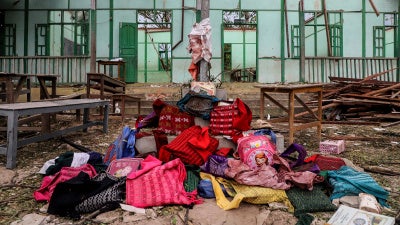
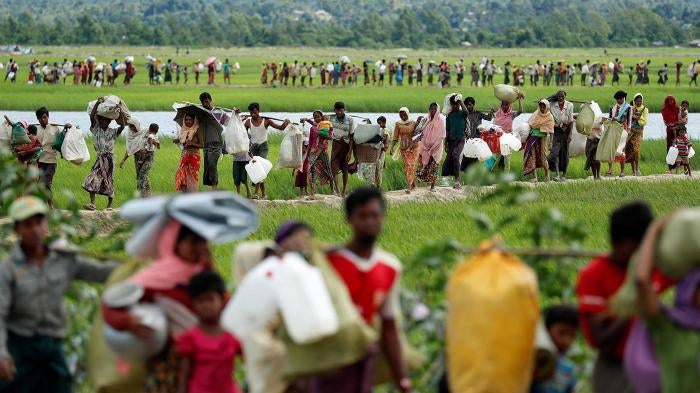
Since the February 2021 military coup in Myanmar, the junta has driven the country further into a human rights and humanitarian catastrophe. Repression and violence have spiraled as the junta seeks to entrench its rule. Sham elections held in December 2025 and January 2026 were a blatant attempt to manufacture legitimacy for the military-controlled state and derail restoration of civilian democratic rule. The junta has responded to growing armed resistance with increased airstrikes, including unlawful attacks on civilians and civilian infrastructure, enabled by arms and financing from China and Russia. Millions have been displaced internally and across borders. The military’s war crimes and crimes against humanity have been fueled by decades of impunity.
Videos
Videos-
-
August 12, 2024
Myanmar: Armies Target Ethnic Rohingya, Rakhine
Killings of Civilians, Mass Arson, Unlawful Recruitment in Rakhine State

-
June 20, 2023
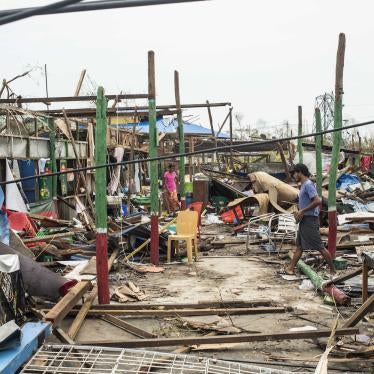
Myanmar: Junta Blocks Lifesaving Cyclone Aid
Restrictions on Humanitarian Access, Supplies, Movement Threaten Millions
-
News
-
March 13, 2026
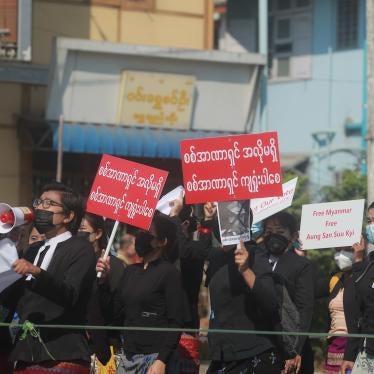
Myanmar: Junta's Crimes Escalate, States Should Reject Sham Elections
HRW Oral Statement - ID with the Special Rapporteur on the Situation of Human Rights in Myanmar - HRC61
-
-
January 28, 2026
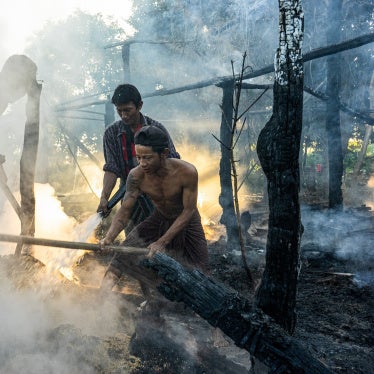
Myanmar: Junta Atrocities Surge 5 Years since Coup
Concerted Global Action Needed to Reverse Human Rights, Humanitarian Catastrophe
-
January 8, 2026
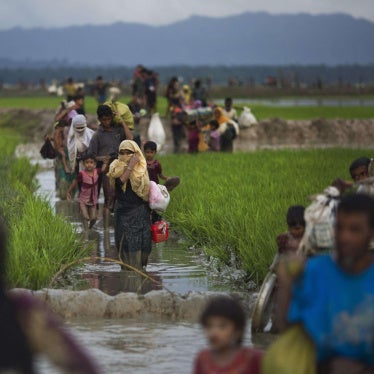
Myanmar: Critical Hearings in Rohingya Genocide Case
Gambia, Myanmar to Present Their Arguments Before World Court
-
November 24, 2025
Myanmar is Safe?
US Terminates Protection for At-Risk Groups, Raising Risks of Forced Returns

-
November 16, 2025
Myanmar: Elections a Fraudulent Claim for Credibility
Foreign Governments Should Reject Sham Electoral Process, Denounce Abuses

-
October 23, 2025
ASEAN: Reject Myanmar Junta’s Sham Elections
Malaysia Summits Should Focus on Human Rights, Humanitarian Crisis

-
October 22, 2025
Malaysia: Abducted Refugee Detained in Myanmar
Seek Release, Reopen Investigation into Thuzar Maung Family’s Abduction

-
October 17, 2025
Open Letter on the Myanmar Crisis
To States Attending the 2025 ASEAN Summit, ASEAN Partners Summit, and East Asia Summit
-
October 9, 2025
Myanmar Military Paramotor Strike Kills, Injures Dozens
Motorized Paragliders Increasingly Used in Indiscriminate Attacks on Civilians