





United States
The US Program leads with the principle of racial justice and equity as a fundamental human right providing the foundational, over-arching, and unifying theme for all our work. Our strategic priorities focus on immigration and border rights, criminal justice, and democracy research and advocacy, each operationalized by our theory of change that centers our partners and the most impacted people. Our broader racial justice and equity work focuses on reparative and economic justice, and we advocate for the US to meet its international human rights obligation to end all forms of racial discrimination.

Videos
Videos-
-
May 27, 2026
“Casting Us Aside to Die”
Cuban and Other Third-Country Nationals Deported from the US to Mexico
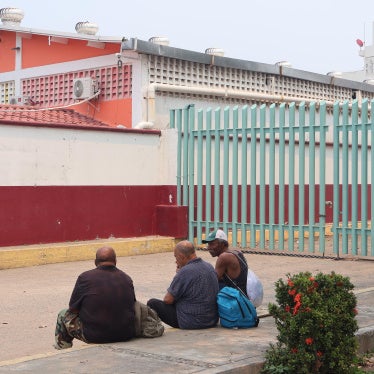
-
April 13, 2026
Iran: Israel’s Oil Depot Strikes Endanger Environment, Health
Foreseeable Harm Caused by March 7 Attacks Likely War Crimes

-
March 30, 2026
“Self-Determination is the Pathway to Liberation”
Alternative Mental Health Crisis Response in the United States

News
-
June 16, 2026
US Congress Approves Immigration Funding Despite Abuses
Lawmakers Should Still Press for Transparency and Accountability

-
June 16, 2026
US Agriculture Bill Cuts Vital Nutrition Aid
Reduced Access Disproportionately Harms Pregnant Women, Children, and Infants

-
June 11, 2026
World Cup: FIFA Sponsors Should Back an ICE Truce
US Government Abusive Immigration Policies Pose Risk to Fans, Workers and Local Communities

-
June 9, 2026
US States Dismantle Voting Bans Rooted in Racism
More Work Remains to Fully End Felony Disenfranchisement

-
June 8, 2026
US: Global Health Aid Tied to Harmful Conditions
Pacts Require Abortion Surveillance, Rights to Specimen Sharing, Data Access

-
-
June 3, 2026
New Jersey Hunger Strikers Allege Abysmal Detention Conditions
End Abuses of Detained Immigrants

-
June 1, 2026
Trump Administration’s ‘Anti-Weaponization Fund’ Weaponizes Redress
Public Outrage Exposes Hypocrisy in the Fight for True Reparations

-
May 27, 2026
US Court Rules to Protect Immigrant Domestic Violence Survivors
Trump Immigration Agenda Tramples Promises to Victims

-
May 27, 2026
Cubans, Many in the US for Decades, Deported to Mexico
Stranded Without Shelter, Health Care, or Effective Path to Legal Status