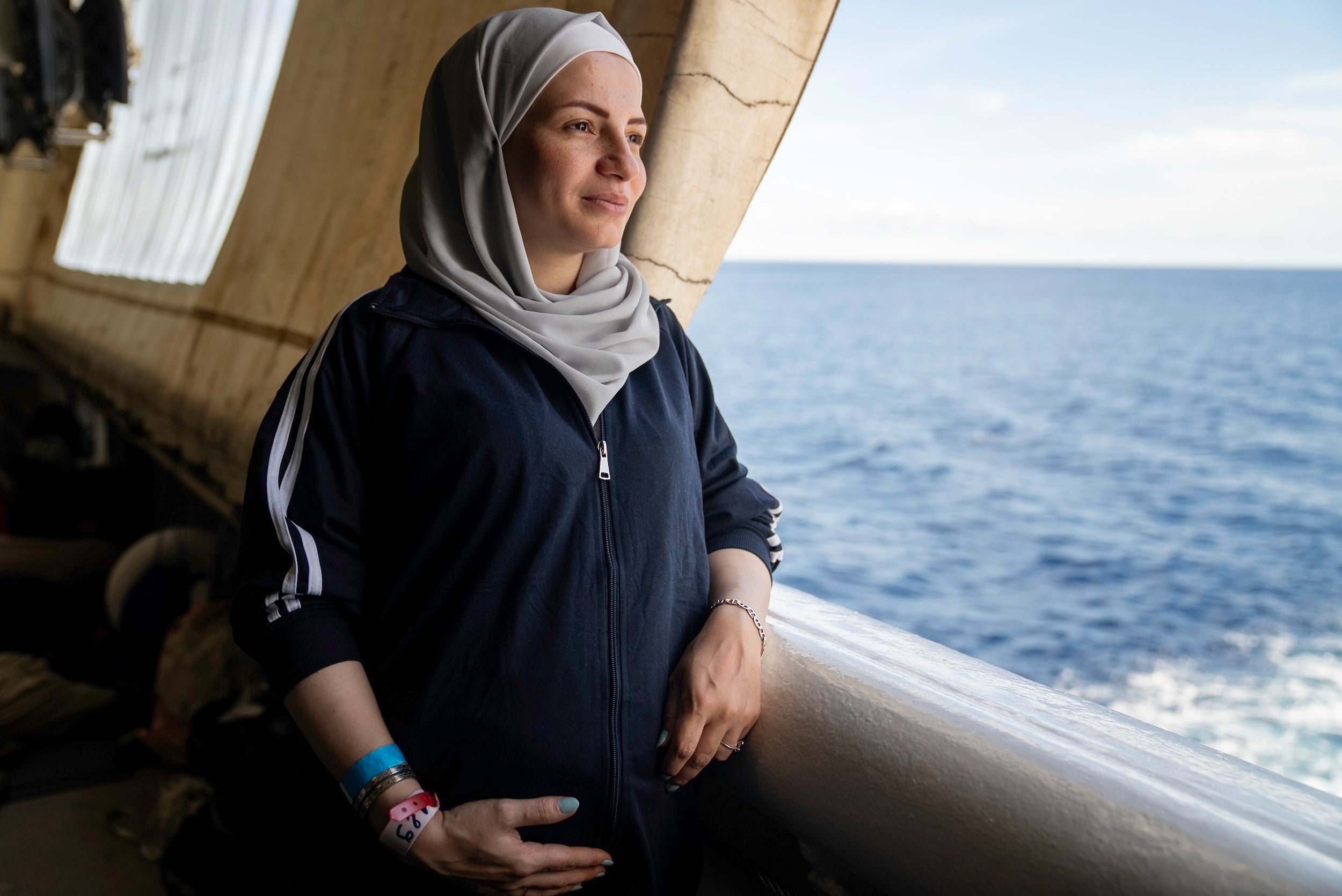



• Unaccompanied migrant children are some of the most vulnerable in Europe, subject to detention and brutality, unable to access their rights to education, health care, or to seek asylum, and left without adequate legal protections in domestic legal systems throughout the continent.1 One might think that in Western Europe, where child mortality is close to zero, and social services and institutions well developed, children’s rights would be more secure. Not, however, when the children in question are unaccompanied migrants.

    All too often the thousands of unaccompanied children arriving without parents or caregivers find themselves trapped in their status as migrants, with European governments giving little consideration to their vulnerabilities and needs as children. Many end up without the humane treatment Europe claims to stand for. Instead they may face exploitation, prolonged detention, intimidation and abusive police behavior, registration and treatment as adults after unreliable age exams, bureaucratic obstacles to accessing education, and abuse when detained or housed in institutions.

    Read the publication, "Caught in a Net: Unaccompanied Migrant Children in Europe" through the link below.

    Caught in a Net - Unaccompanied Migrant Children in Europe

  • Jun 28, 2013
    Croatia’s European Union (EU) accession on July 1 is an opportunity for the government to show its commitment to safeguard human rights and to properly address outstanding abuses in the country, Human Rights Watch said today in an open letter to the Croatian prime minister, Zoran Milanović.
  • Jun 24, 2013
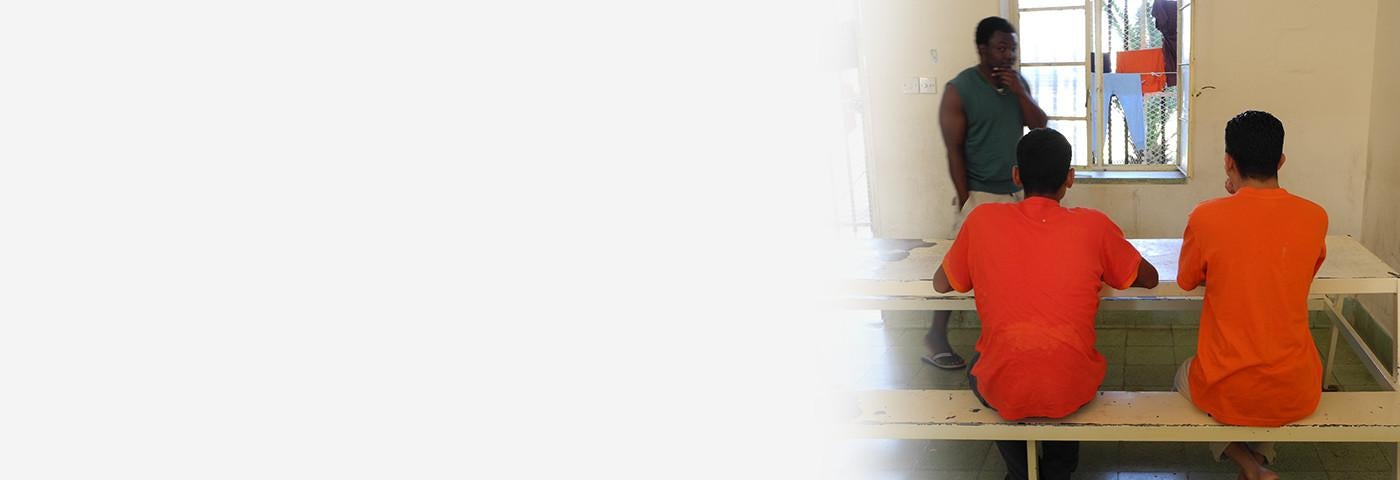
    Indonesia detains and neglects migrant and asylum-seeking children. Each year, hundreds are detained in sordid conditions, without access to lawyers, and sometimes beaten. Others are left to fend for themselves, without any assistance with food or shelter.

Reports

  • Detention, Abuse, and Neglect of Migrant Children in Indonesia
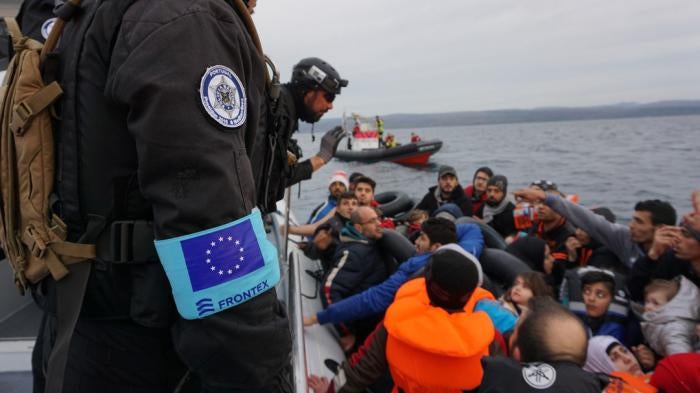
  • Summary Returns of Unaccompanied Migrant Children and Adult Asylum Seekers from Italy to Greece
  • Adult and Child Migrants in Malta

Refugees and Migrants

  • Jun 28, 2013
    Croatia’s European Union (EU) accession on July 1 is an opportunity for the government to show its commitment to safeguard human rights and to properly address outstanding abuses in the country, Human Rights Watch said today in an open letter to the Croatian prime minister, Zoran Milanović.
  • Jun 28, 2013
    Croatia’s accession to the EU includes assuming the obligation to respect the principles of human dignity, democracy, and human rights as enshrined in the EU Treaty and further outlined in the legally binding Charter of Fundamental Rights. The government should use the formal accession as an opportunity to further strengthen the protection of human rights in several areas of concern and implement necessary measures to improve legislation and practices.
  • Jun 24, 2013
    Indonesia detains and neglects migrant and asylum-seeking children. Each year, hundreds are detained in sordid conditions, without access to lawyers, and sometimes beaten. Others are left to fend for themselves, without any assistance with food or shelter.
  • Jun 24, 2013
    Arif was only 15 when he fled Afghanistan, without his parents, and paid smugglers to take him to Indonesia. There, he was detained for months in sordid, overcrowded immigration detention facilities where the guards beat him. When he got out, he felt he had no options in Indonesia, so he risked the boat journey to Australia.
  • Jun 23, 2013
    I have interviewed many boys who, like Arif, are traveling alone. They are often their family’s last hope – their parents sell off their last piece of land or borrow money to help them flee the violence or poverty of their homelands. They are resilient and brave, undertaking these remarkable journeys alone. They also carry a heavy weight on their shoulders – they know the sacrifices their family made to send them into safety, and they are desperate to make good on their opportunities, no matter how slim.
  • May 30, 2013
    Qatar should immediately abolish its exit visa requirements, which expose migrant workers to the risk of exploitation and abuse. The exit visa system can prevent foreigners from leaving the country merely on the say-so of a current or former employer. The case of a French professional footballer who is unable to leave Qatar illustrates how the exit visa system can be used against migrant workers in disputes with their employers. Zahir Belounis, who played for the Al Jaish team, is pursuing a claim for unpaid wages in the Qatari courts. He told Human Rights Watch that his former employers have insisted that he drop his claim or they will not issue him the exit visa he must produce to leave Qatar.
  • May 20, 2013
    Here’s a story to break your heart – thousands of Afghan refugee boys who roam Europe alone, without parents, without enough help from European governments, and at risk of destitution, detention, and death.
  • Mar 13, 2013
    Sailors from Thailand’s navy shot at ethnic Rohingya “boat people,” causing at least two deaths, Human Rights Watch said today. The Thai government should immediately investigate the incident, and direct the navy to abide by international standards on the use of force.
  • Jan 28, 2013
    The bipartisan framework for immigration reform released by eight United States senators on January 28, 2013, includes helpful language but needs more work on the details to protect basic rights.
  • Jan 27, 2013
    Every year, hundreds of boys travel alone, at great risk, from Afghanistan to Italy. They‘re looking for refuge, for an education, for an opportunity to escape the war zone in their country. And yet Italy turns away many of them, barring their entrance and taking no steps for their protection or care.