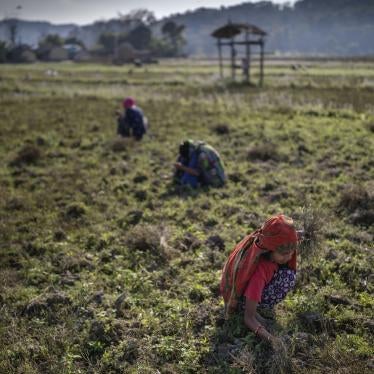

• The new village of Bildak in Ethiopia's Gambella region, which the semi-nomadic Nuer who were forcibly transferred there quickly abandoned in May 2011 because there was no water source for their cattle.
    The World Bank’s board should support an internal investigation into allegations of abuse linked to a World Bank project in Ethiopia. The Inspection Panel, the World Bank’s independent accountability mechanism, has recommended an investigation into whether it has violated its policies in a project linked to the Ethiopian government’s resettlement program, known as “villagization.”
  • A Human Rights Agenda for the World Bank’s New President
    By Jessica Evans, Senior Researcher/Advocate for International Financial Institutions

    The World Bank has historically been resistant to addressing human rights. But in the wake of the Arab Spring, it cannot ignore the importance of free speech, association, and assembly to sustainable development. Nor can it continue to turn a blind eye to governments shepherding funds primarily to its supporters with the hope that at least some resources will reach those in need. As the World Bank’s new president, Jim Yong Kim has the opportunity to lead the Bank into a new era by using its voice and resources to bridge the false divide between human rights and development.

    Read the full op-ed >>

Reports

World Bank, IMF

  • May 14, 2013

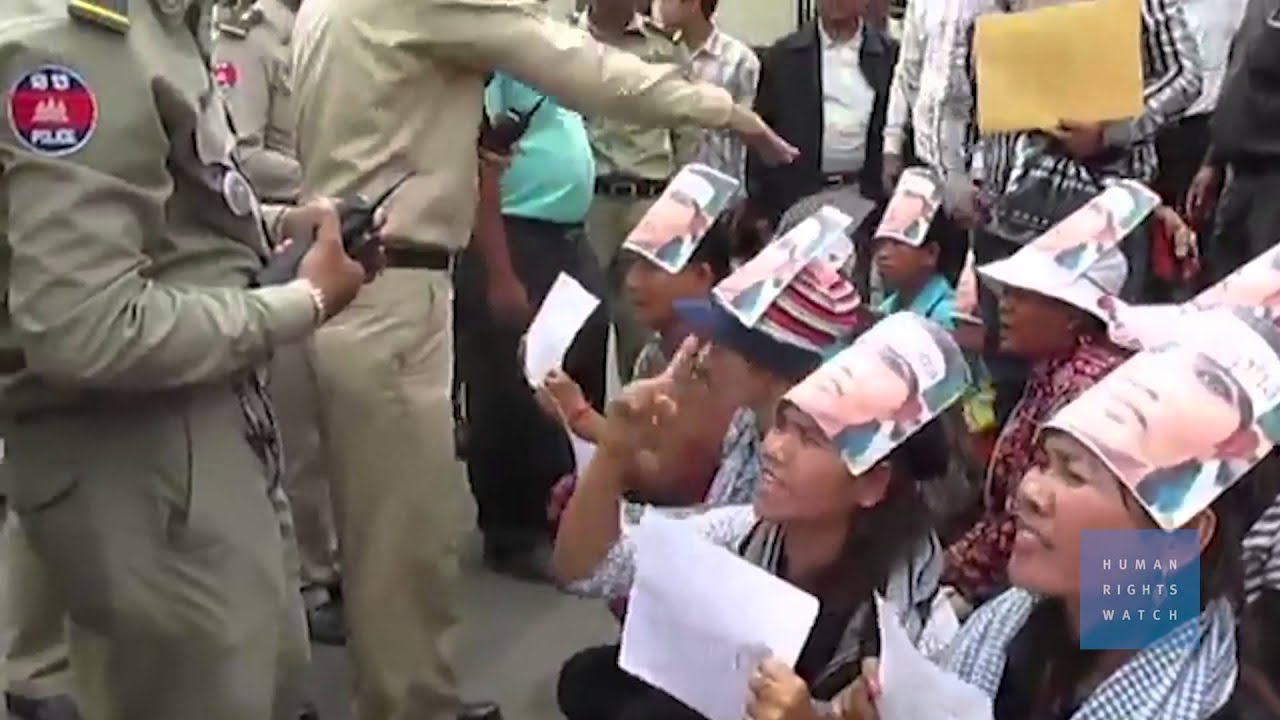
    A grandmother in Cambodia told me recently, “I just want you to know my story in case something happens and I am gone.” Police and government officials have threatened and harassed “Kunthea” for her protests against government agencies and appeals to the World Bank after she was forcibly evicted from her home by a private company.

  • Apr 19, 2013
    The World Bank’s “vision” statement will be undermined if it fails to recognize the importance of human rights, nine organizations warned. The human rights and development groups called on President Jim Kim to make a firm commitment to respect, protect, and fulfill human rights in all of its activities.
  • Apr 19, 2013
    The World Bank Group should uphold human rights as it works to create a world free of poverty and economic exclusion, Human Rights Watch said in a letter to the Group’s president, Dr. Jim Kim.
  • Apr 19, 2013
    Human Rights Watch recognizes that the World Bank operates in countries and environments where there are many human rights challenges. A commitment to human rights would greatly enhance the impact of the Bank’s efforts to reduce poverty and promote inclusive and sustainable development.
  • Mar 25, 2013
    The United Nations Post-2015 Development Agenda should be grounded in human rights, Human Rights Watch said in a letter to the UN High Level Panel of Eminent Persons on the Post-2015 Development Agenda.
  • Mar 24, 2013
    Human Rights Watch welcomes the High-level Panel’s efforts to advance a Post-2015 Development Agenda that seeks to learn from and build on the progress achieved through the Millennium Development Goals (MDGs). The Post-2015 consultations have revealed a strong international consensus for placing human rights at the center of the Post-2015 framework. The human rights framework unites the core aims of economic development, equality, and environmental sustainability, and its use will ensure accountability for the new agenda by anchoring it in existing international human rights obligations.
  • Mar 18, 2013
    The World Bank’s board should support an internal investigation into allegations of abuse linked to a World Bank project in Ethiopia. The Inspection Panel, the World Bank’s independent accountability mechanism, has recommended an investigation into whether it has violated its policies in a project linked to the Ethiopian government’s resettlement program, known as “villagization.”
  • Jan 11, 2013
    Despite recognition in the Millennium Declaration of the importance of human rights, equality, and non-discrimination for development, the Millennium Development Goals (MDGs) largely bypassed these key principles. The fundamental human rights guarantees of equality and non-discrimination are legally binding obligations and do not need instrumental justifications. Discrimination can both cause poverty and be a hurdle in alleviating poverty. Even in countries where there have been significant gains toward achieving the MDGs, inequalities have grown. The MDGs have supported aggregate progress—often without acknowledging the importance of investing in the most marginalized and excluded, or giving due credit to governments and institutions which do ensure that development benefits these populations. Recognition of this shortcoming in the MDGs has brought an increasing awareness of the importance of working to reverse growing economic inequalities through the post-2015 framework, and a key element of this must be actively working to dismantle discrimination.
  • Jan 2, 2013
    For many years, Human Rights Watch has investigated situations where companies have had serious human rights problems. Whether it is an oil company that relies on abusive state forces or have abusive private security forces, a construction company that mistreats its workers or a technology company that censors or spies on users at the behest of an abusive government, there are many situations where companies can directly impact human rights.
  • Dec 20, 2012

    Given the fundamental importance of safeguards in helping countries develop in a sustainable manner, we believe that the Safeguards review provides a critical opportunity to strengthen the Bank’s development model. The Bank should strive to be a standard-setter among development institutions, and this review provides an opportunity to lead a race to the top in establishing strong and effective safeguards.