

• Mar 27, 2012
    The International Monetary Fund (IMF) should withhold a scheduled $130 million loan disbursement to the government of Angola until Angolan authorities fully and publicly justify a US$32 billion discrepancy in Angola’s public accounts.
  • Feb 27, 2012
    UNESCO’s governing executive board should abolish a prize named after and funded by President Teodoro Obiang Nguema Mbasogo of Equatorial Guinea at its upcoming meeting. The board is set to make a final decision on the fate of the prize at its session scheduled for February 27 to March 10, 2012, in Paris.

Reports

Global Initiatives

  • Apr 27, 2012
    The World Bank has historically been resistant to addressing human rights. But in the wake of the Arab Spring, it cannot ignore the importance of free speech, association, and assembly to sustainable development. Nor can it continue to turn a blind eye to governments shepherding funds primarily to its supporters with the hope that at least some resources will reach those in need. As the World Bank’s new president, Jim Yong Kim has the opportunity to lead the Bank into a new era by using its voice and resources to bridge the false divide between human rights and development.
  • Mar 28, 2012
    The World Bank Group should recognize the need to act in a manner consistent with the three pillars of the UN’s “Protect, Respect and Remedy” human rights framework, including as elaborated in the Guiding Principles. Governments’ obligations to respect human rights include the obligation to protect against human rights abuses by third parties.
  • Mar 27, 2012
    The International Monetary Fund (IMF) should withhold a scheduled $130 million loan disbursement to the government of Angola until Angolan authorities fully and publicly justify a US$32 billion discrepancy in Angola’s public accounts.
  • Mar 26, 2012

    The International Monetary Fund (IMF) should withhold a scheduled $130 million loan disbursement to the government of Angola until Angolan authorities fully and publicly justify a US$32 billion discrepancy in Angola’s public accounts, Human Rights Watch and the Revenue Watch Institute said in a letter to the IMF released on March 27, 2012. 

  • Feb 27, 2012
    UNESCO’s governing executive board should abolish a prize named after and funded by President Teodoro Obiang Nguema Mbasogo of Equatorial Guinea at its upcoming meeting. The board is set to make a final decision on the fate of the prize at its session scheduled for February 27 to March 10, 2012, in Paris.
  • Feb 17, 2012

    The European Union should maintain its travel restrictions and asset freezes on President Robert Mugabe and his inner circle until Zimbabwe carries out concrete human rights and institutional reforms, ahead of this year’s national elections. The EU is conducting its annual review of its sanctions policy toward Zimbabwe and is scheduled to announce a decision on February 17, 2012. 

  • Feb 8, 2012
    The World Bank should promote civil society participation in proposed development programs in Burma. The World Bank’s board of directors is scheduled to meet on February 16, 2012 in Washington to discuss future programs in Burma.
  • Sep 26, 2011

    UNESCO should reject a new bid to honor Teodoro Obiang Nguema Mbasogo, the president of Equatorial Guinea and now Africa's longest serving ruler, with a prize in his name. The prize was suspended last year after an outcry from concerned Equatoguineans, human rights groups, anti-corruption campaigners, and prominent literary, scientific, and cultural figures.

  • Jul 11, 2011

    Candidates for a UN Human Rights Council working group to develop human rights standards for transnational corporations and other businesses should have substantial human rights expertise and meet high standards for impartiality and integrity. A coalition of civil society groups including Human Rights Watch, Amnesty International, the International Commission of Jurists, and Rights & Accountability in Development proposed guidelines to the Human Rights Council to help in its selection of the expert panel.

  • Feb 10, 2011

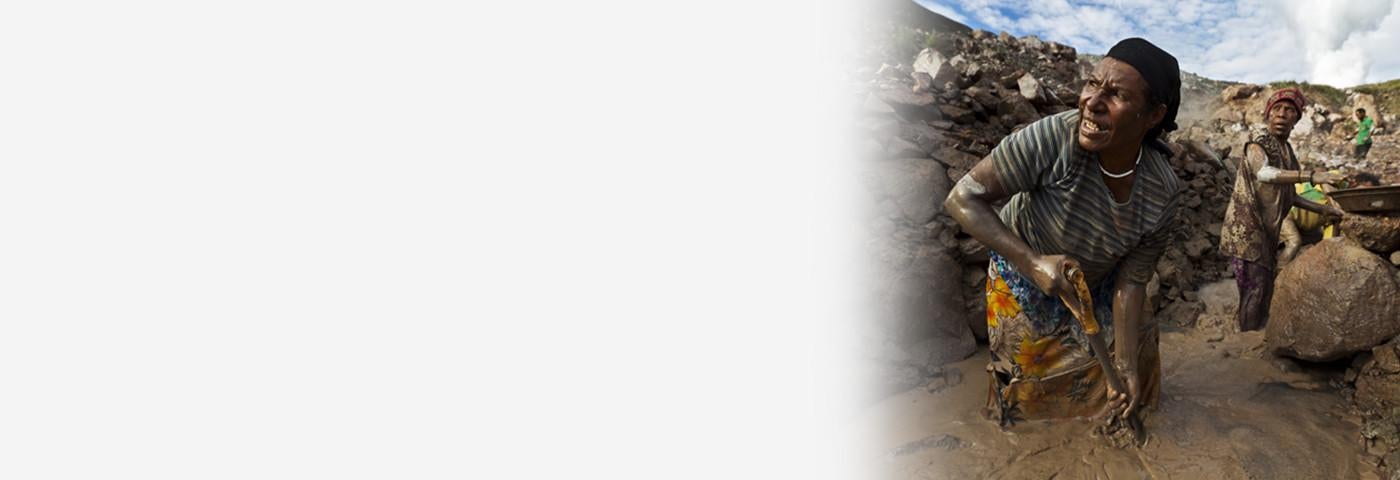
    Human Rights Watch recently released a report that details brutal gang rapes and other abuses allegedly carried out by employees of Barrick Gold in Papua New Guinea. Barrick, a Canadian firm, is the world's largest gold producer and Porgera is one of the world's largest gold mines. Now the company is scrambling to put things right, investing in new mechanisms for oversight and accountability and firing some of its private security personnel while others are being hauled away by the police.