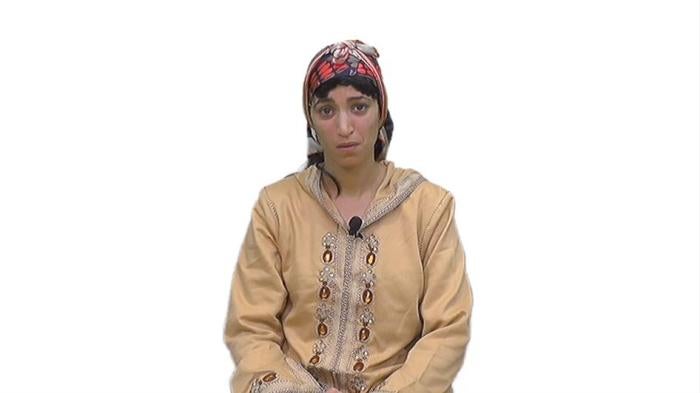
Maati Monjib
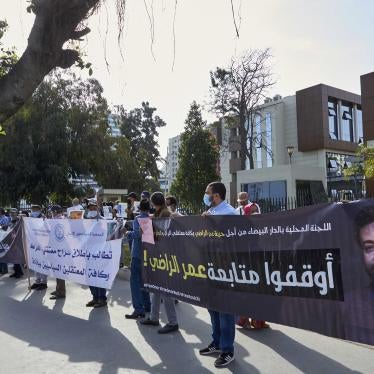
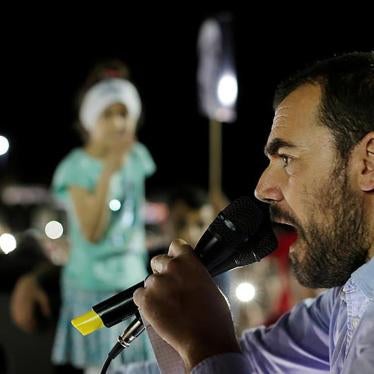
In the past, dissidents in Morocco were faced with clear-cut political trials, which made them heroes and earned them public opinion support. Nowadays, they are accused of rape, theft, treason…This is more efficient (to take them down) because they are cut from public support.
Animation
How to deal with dissidents
Voice over
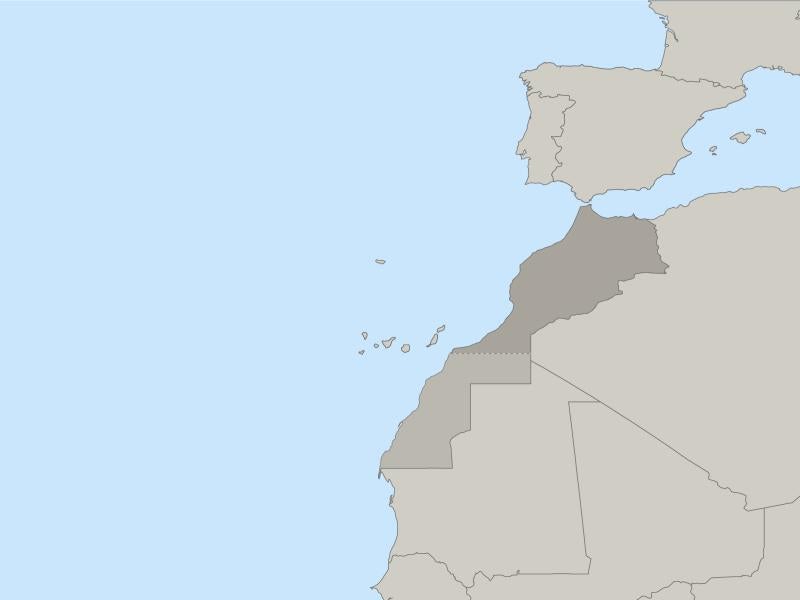
Allegations of serious crimes should be investigated thoroughly and tried fairly. But in Morocco, when the accused is a dissident, fair trial norms are often violated.
That is just a chapter of a sophisticated playbook that Moroccan authorities have developed to muzzle high-profile dissidents.
After more than two years of research, Human Rights Watch exposes how that playbook works.
The playbook tactics include a mix of character-assassination campaigns, video and electronic surveillance, unfair trials ending in unjust verdicts, witness intimidation, and sometimes physical violence and the targeting of family member.
Animation
1. “Character Assassination Campaigns”
Maati Monjib
Historian and activist who tried to unite opposition iIslamists and secularists
“Maati Monjib, the Historian Liar”
“Monjib, the Renegade Who Betrayed Morocco”
“Screw the Traitors: Maati Monjib Is a Foreign Agent”
“Monjib: a Hired Gun, Ungrateful Liar, and the Rest Is Yet To Come...”
“The Criminal Mindset of Maati Monjib”
This is just a small sample of the headlines that websites close to the authorities published about me. Me and others… Anyone who raises their head, they get this treatment.
Animation
#2. Video and Cyber surveillance
Fouad Abdelmoumni
Human Rights activist and outspoken critic of the authorities
They planted two video cameras in the AC units of my apartment – here’s one. They filmed me in intimate situations with my fiancée, and then sent the videos to her family members.
A tech lab informed me that my smartphone had been infected with the Spyware Pegasus, which allows access to emails, photos, recordings, phone calls… everything. Basically, they had access to all my private life.
Animation
#3. Unfair trials, unjust verdicts
Fatiha and Driss Radi
Parents of Omar Radi, journalist who investigated state corruption
Omar remained in pretrial detention, without [detailed] justification for a year, without access to his own case file. He didn’t know the [detailed] charges against him. How could he defend himself without even knowing that? When Omar’s trial started, the tribunal refused to listen to witnesses in his favor. In the end, after many sessions, Omar was sentenced to 6 years.
Animation
#4. Witness Intimidation
Afaf Bernani
Staffer at opposition daily who refused to testify against her boss
When the police was interrogating me, they pressured me to say that I was a victim of sexual harassment at the hands of journalist Taoufik Bouachrine. Of course, I refused because the man never harassed me. After the [interrogation] report was out, I discovered that they made me say what I had refused to say, and that my [interrogation] report had been falsified. That’s when I understood that they really wanted to take him [Bouachrine] down. After I protested, they prosecuted. me for “defamation” [of the police] and the tribunal sentenced me to 6 months in jail at record speed. Because of all that, I decided to leave Morocco. I had no choice.
Animation
#5. Physical Violence
Hicham Mansouri
Former manager of an association for investigative journalism
I was out of a work meeting, it was the evening, I was walking back home, when 2 men suddenly attacked me, punching and kicking. They especially targeted my face, but also hit me on multiple parts of my body. Since they broke my glasses, I couldn’t see anything. I fell on the floor, but they kept kicking me. The aggression was quick and professional. I pressed charges, but the police didn’t deal with my complaint seriously.
Animation
#6. Targeting Family Members
Wahiba Khourchech
Former police officer who accused a commander of sexual harassment
My husband received pictures showing me, my lawyer, and my daughter in my hotel room. The picture was accompanied by a text message claiming that I cheated on my husband with my lawyer.
Another time, I was walking in Casablanca, when two [unknown] men accosted me, threatened me and said, “Your daughter is dead” mentioning her name. My daughter was then 6.
I called home, thank God, she was okay. I was beside myself.
Text On Screen
These tactics, among others, combine to form an ecosystem of repression.
The aim is to muzzle outspoken dissidents as well as to deter all critics from speaking out.
The international community must publicly denounce these deceptive tactics and support Moroccan independent voices.