
Libya
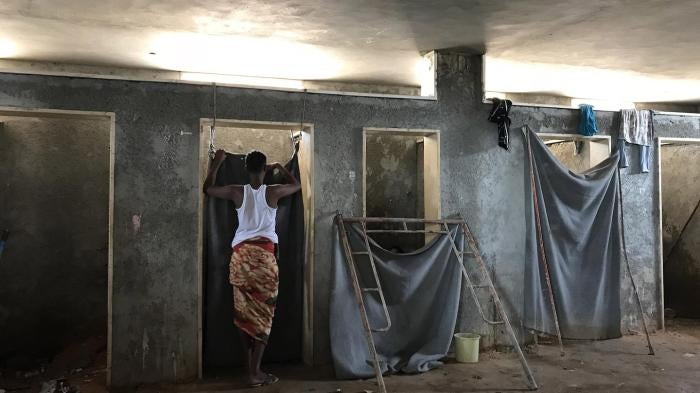
Deep divisions persisted between Libyan parties while a fragile economic situation confounded efforts to reach a political settlement. Two rival authorities in the eastern and western parts of the country vied for legitimacy and control, as affiliated armed groups and militias operated with impunity, increasing repression against civic groups and cracking down on free speech. Survivors of major flooding in eastern Libya that claimed thousands of lives in 2023 faced a slow recovery, with hurdles getting equitable compensation, reconstruction support, and access to essential goods and services, including housing, health care, electricity, and education. Migrants and asylum seekers, including children, arbitrarily detained in facilities controlled by armed groups affiliated with both governments or smugglers and traffickers, suffered inhumane conditions, torture, forced labor, and sexual assault.
-
International Criminal Court

Videos
Videos-
-
February 25, 2025
Ship of Humanity

-
January 27, 2025
Libya: Civic Space Crushed
Repressive Laws, Harassment, Detentions Derail Organizations’ Work

-
July 18, 2023
Middle East and North Africa: End Curbs on Women’s Mobility
Male Guardianship Rules Hamper Travel, Other Movement

News
-
March 23, 2026
Libya: Implement Meaningful Reforms to Protect Rights and Ensure Accountability
HRW Oral Statement - Universal Periodic Review Outcome Adoption - HRC61
-
February 10, 2026
Human Rights Watch Letter to Libyan General Prosecutor al-Sur
Regarding the Arrest of Osama Elmasry Njeem
-
December 2, 2025
ICC: Libyan Suspect’s Surrender a Long-Awaited Breakthrough
International Criminal Court Investigation into Grave Crimes in Libya’s Prisons

-
November 13, 2025
Lebanon: Hannibal Gaddafi Free After Long Unlawful Detention
Drop Charges, Compensate for Decade of Arbitrary Detention

-
October 29, 2025
Are European Football Clubs Sportswashing Libyan Abuses?
Sporting Clubs Should Not Launder the Reputation of Unaccountable Abusive Groups

-
October 13, 2025
Italy: End Border Control Pact with Libya
People Returned by Libyan Coast Guard Subject to Severe Abuse

-
September 15, 2025
Libya: Investigate Cases of Two Missing Lawmakers
Newly Circulated Images, Video Increase Grave Concerns for Their Wellbeing

-
August 28, 2025
Lebanon: Immediately Release Gaddafi’s Son
Unlawfully Held Nearly 10 Years Without Trial
-
July 30, 2025
Joint Statement: Arrest of El Hishri in Germany a Breakthrough for International Justice
States must ensure prompt surrender of suspects and full cooperation with the ICC’s Libya investigation
-
July 16, 2025
Greece's Asylum Suspension Denies Rights, Puts Lives at Risk
EU Action Needed to Safeguard People Seeking Safety