



United States
The US Program leads with the principle of racial justice and equity as a fundamental human right providing the foundational, over-arching, and unifying theme for all our work. Our strategic priorities focus on immigration and border rights, criminal justice, and democracy research and advocacy, each operationalized by our theory of change that centers our partners and the most impacted people. Our broader racial justice and equity work focuses on reparative and economic justice, and we advocate for the US to meet its international human rights obligation to end all forms of racial discrimination.

-
Women's Rights

Videos
Videos-
-
October 1, 2026
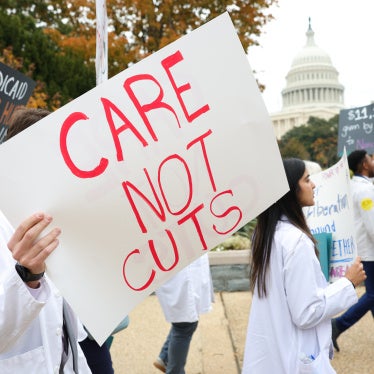
US: Nebraskans Losing Coverage as Medicaid Changes
State’s Chaotic Rollout Foreshadows Risks as Nationwide Deadline Draws Near
-
September 21, 2026
US: Deportations to Haiti Endanger Lives
Deepening Crises, Inadequate Reception Put Returnees at Risk

-
News
-
October 9, 2026
US Sanctions International Criminal Court

-
October 8, 2026
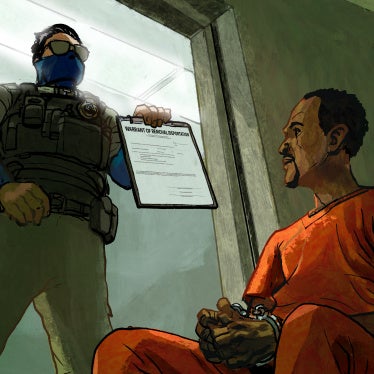
US: Deportations to African Countries Not Their Own
Denied Due Process; Some Returned to Danger in Home Countries
-
October 6, 2026
Amid Escalating Pressure, Texas Transgender Advocacy Group Continues Feeding the Panhandle
After Receiving a Settlement over a Denied Permit, the Group Turned the Money into Food for Thousands of Neighbors

-
October 5, 2026
Christa Pike’s Suffering Highlights Inhumanity of Death Penalty
US State and Federal Governments Should Abolish the Practice

-
October 4, 2026
Afghans Await Justice 25 Years After War Began
No Clear Path to Redress, Accountability for Victims

-
October 4, 2026
Afghanistan: 25 Years Since the US-Led Invasion

-
October 2, 2026
US ICE Detains Son of Slain Philippine Journalist
Ensure Fair Examination of Asylum Claim

-
October 2, 2026
US: Rights Concerns for Maritime Operations Near Ecuador
Disclose Legal Basis and Operational Rules, Investigate Alleged Abuses

-
October 2, 2026
US: Victims of Nicaraguan Government Risk Deportation
Victims of Repression, Stripped of Nationality, Face Uncertain Future

-
October 1, 2026
US: Nebraskans Losing Coverage as Medicaid Changes
State’s Chaotic Rollout Foreshadows Risks as Nationwide Deadline Draws Near



Our people