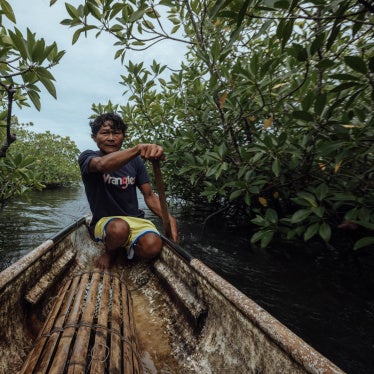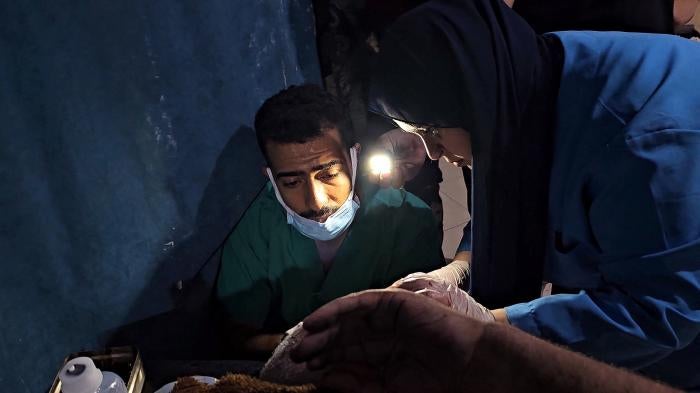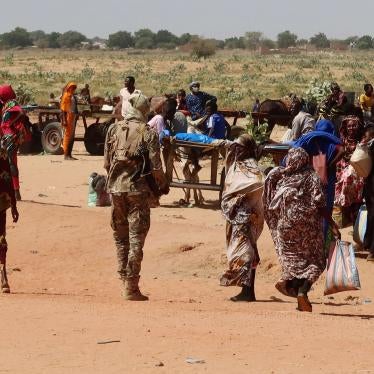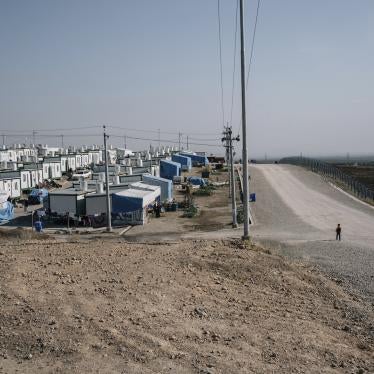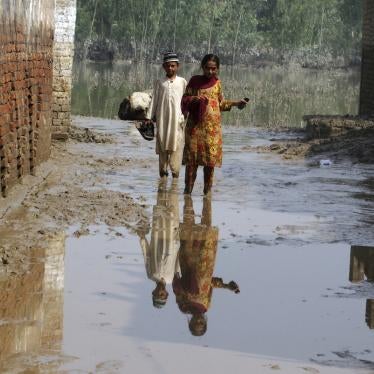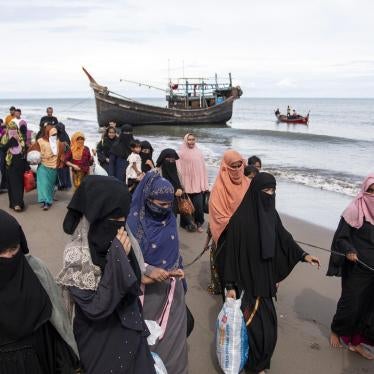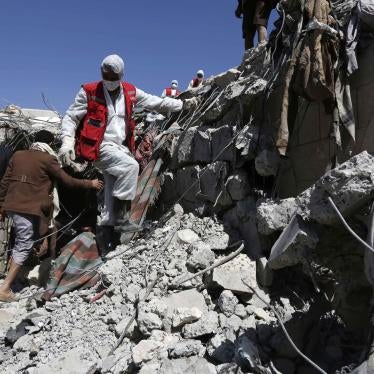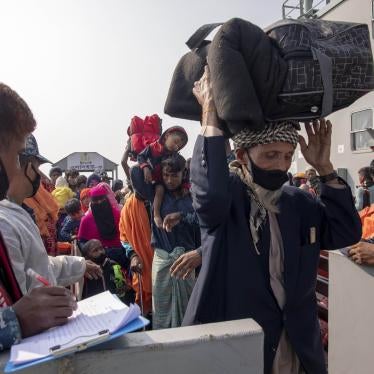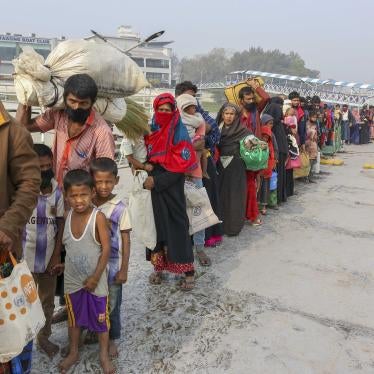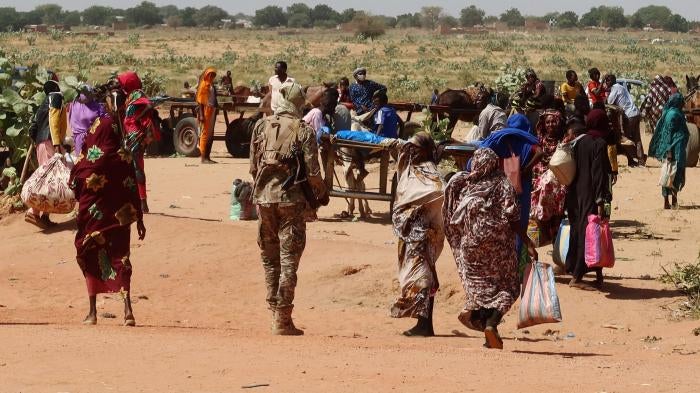
• Refugees and persons displaced, disaster, disease outbreak, or conflict, are subject to a wide range of abuses. Individuals fleeing abuses at home have the right to leave their country freely and to seek refuge and asylum elsewhere, yet governments frequently see refugees as a threat or a burden, often meaning that refugees face many difficulties accessing health care critical to their needs.

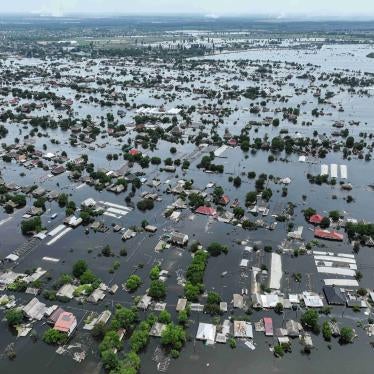
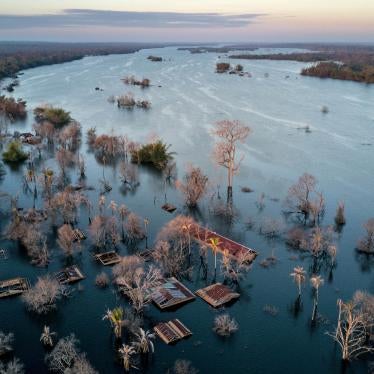
    Natural disasters put a high burden on governments to react quickly to protect the lives of vulnerable civilians, but governments often make decisions during such times of crisis that are discriminatory and may arbitrarily and unjustifiably restrict individual rights.

Reports

Disasters and displaced populations

  • Apr 6, 2011
    I was not prepared to document torture and severe abuses when I started researching the human rights situation for migrants in Europe. After all, I was working on Western Europe, the developed world with a rule of law, independent judiciaries, functioning social services, and oversight bodies.
  • Mar 14, 2011
    Human Rights Watch welcomes the appointment of three high-level experts to the Commission of Inquiry for Libya and urges them to begin their investigations. Serious human rights violations are being committed in Libya, and they threaten to get much worse.
  • Mar 11, 2011
    In the face of the gravity of the current situation in Haiti, the draft policy regarding removals to Haiti is insufficient. It fails to provide a justification for the change in policy based on conditions on the ground and lacks provisions that would ensure due process. We strongly recommend that there be no further deportations to Haiti until ICE fully examines and responds to all comments to this draft policy.
  • Oct 25, 2010
    Amartya Sen famously said that famines do not occur in well-run, democratic countries. The same is almost always true for cholera epidemics.
  • Aug 19, 2010
    The Israeli government should immediately stop the arbitrary destruction of Palestinian homes and other property in the West Bank and compensate the people it has displaced.
  • Jul 16, 2010
    It was nighttime in Parc Marie Vincent when the five men grabbed her, Gentile told Human Rights Watch researchers. A few short weeks after losing her home in the earthquake, she was in a packed camp for the quake survivors when she was kidnapped, raped, beaten and forced to perform oral sex.
  • Apr 28, 2010
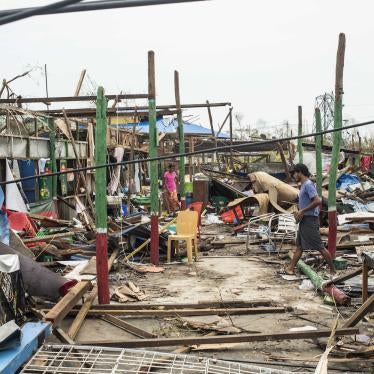
    The Burmese government continues to deny basic freedoms and place undue restrictions on aid agencies despite significant gains in rehabilitating areas devastated by Cyclone Nargis two years ago.
  • Mar 9, 2010
    Driving through Port-au-Prince's Parc Jean Marie Vincent camp, the first thing I notice is how massive and congested it is. After that, the smell and the heat hit me. I had come to the camp to interview a young rape survivor, as part of a Human Rights Watch mission to Haiti to investigate sexual and other violence against women in the aftermath of the earthquake. Sexual violence often increases in emergencies, when normal structures have broken down and women struggle to meet basic needs for food, water, shelter and hygiene.
  • Feb 19, 2010
    Human Rights Watch writes to the member ambassadors of the UN Security Council to bring to their urgent attention our preliminary recommendations to improve human rights and humanitarian protection in Haiti, based on an in-country field investigation completed on February 12, 2010.
  • Feb 19, 2010
    The United Nations Security Council should make improving the quality and security of camps for displaced victims of Haiti’s devastating earthquake a top priority. The Security Council is being briefed today on the humanitarian situation in Haiti by the UN emergency relief coordinator, John Holmes, and the head of the Peacekeeping Department, Alain Le Roy.